North India Statesman
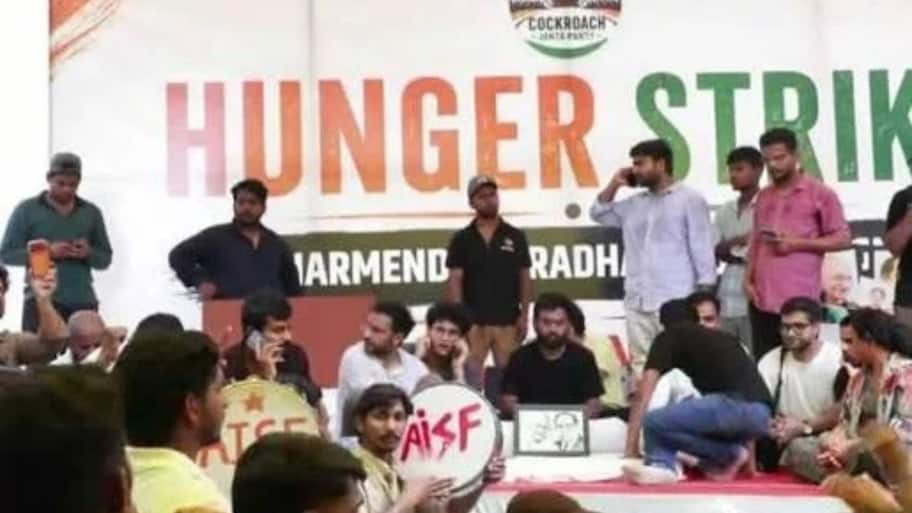
In a landmark administrative decision shifting the epicentre of civil demonstrations in the national capital, Jantar Mantar has ceased to be an officially permitted protest venue. Delhi authorities, acting in coordination with law enforcement agencies and urban planning bodies, have formally denotified the iconic tree-lined stretch near Connaught Place from hosting sit-ins, dharnas, and public gatherings. To manage future assemblies, authorities have earmarked three designated alternative grounds situated outside the high-security Lutyens’ zone, marking a structural transition in how public demonstrations are regulated across New Delhi.
Shifting Away from Central Delhi: Why Jantar Mantar Was Denotified
For decades, Jantar Mantar served as the primary democratic square of the capital, echoing with chants from farmer collectives, trade unions, student groups, civil rights organizations, and political parties. However, its close proximity to Parliament House, key ministry headquarters, diplomatic corridors, and the bustling commercial district of Connaught Place created persistent logistical gridlocks. Prolonged encampments, round-the-clock traffic disruptions, security vulnerability in the VVIP perimeter, and local municipal sanitation challenges prompted authorities to review the site’s viability, culminating in the decision to shift demonstrations away from sensitive central corridors.
The Three Newly Designated Protest Grounds
Under the revised protocol, public assemblies, processions, and long-term demonstrations will now be redirected to three expansive, accessible grounds equipped with crowd-handling infrastructure:
-
Ramlila Maidan (Central-North Connector): Retained as the premier venue for large-scale political rallies, national conventions, and mass public assemblies with established entry-exit corridors.
-
Burari Grounds (North Delhi): Designated for multi-day gatherings, tractor rallies, and massive farmer or regional delegations requiring extensive open space and decentralized parking facilities.
-
Ramleela Ground, Geeta Colony (East Delhi): Earmarked for medium-scale public demonstrations, localized union representations, and community sit-ins, relieving pressure on primary arterial thoroughfares.
Stringent Application Norms and Prior Approvals
Along with the relocation, the Delhi Police licensing branch has tightened the Standard Operating Procedure (SOP) for securing dharna permissions. Organizers must now submit prior clearance applications specifying precise attendee caps, sound equipment limits, event durations, and designated parking arrangements. Law enforcement officials noted that spontaneous assemblies or unauthorized sit-ins along Jantar Mantar Road or Parliament Street will attract immediate preventive action under regulatory police orders.
Civil Groups and Political Reaction
The relocation of the iconic demonstration hub has triggered sharp reactions across civil society organizations and opposition outfits. Activists argue that relocating protest spaces farther away from the corridors of power diminishes the visibility and immediacy of democratic dissent, moving public grievances out of sight of key policy-makers. Administrative officials, however, maintain that the move balances citizens’ constitutional right to peaceful assembly with public convenience, seamless urban mobility, and emergency response management across Delhi’s core transit routes.