North India Statesman
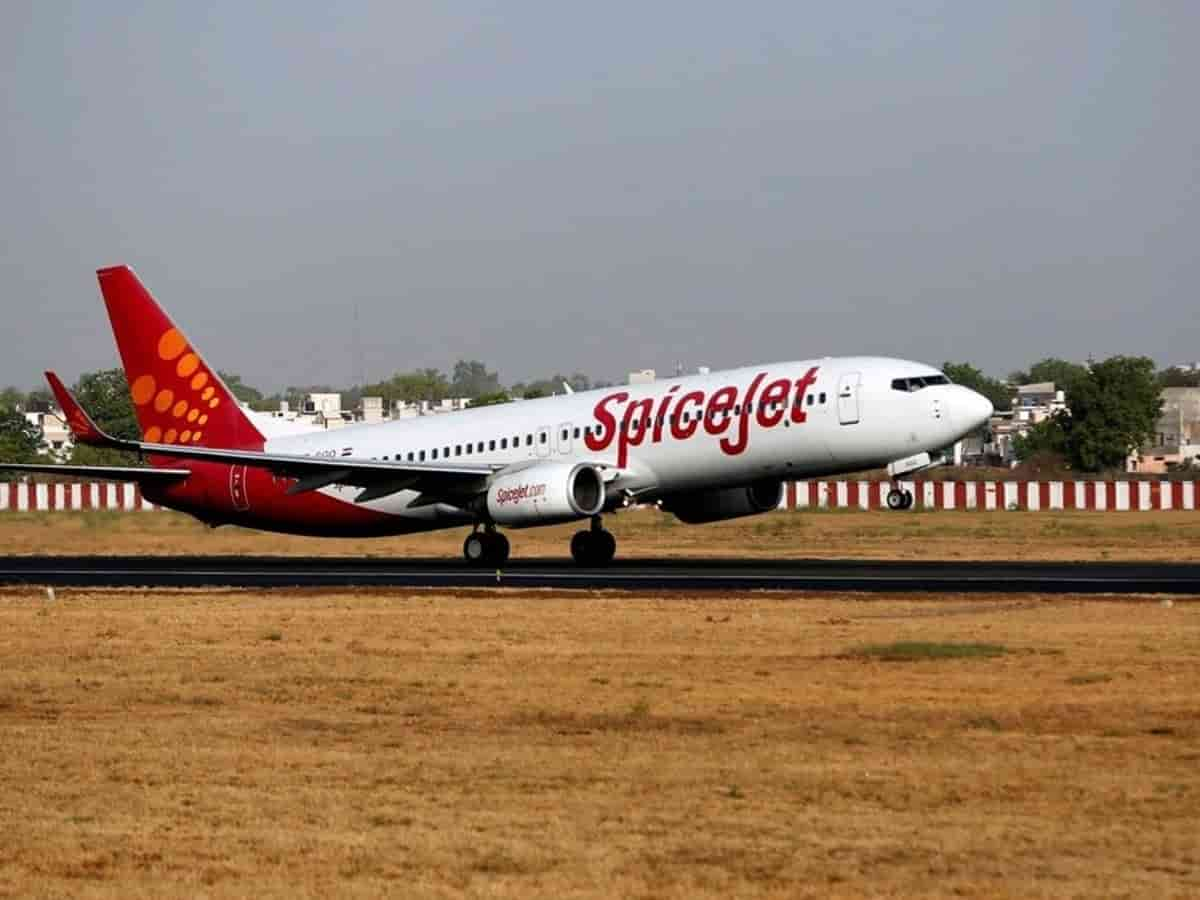
Cash-strapped Indian budget carrier SpiceJet has suffered a severe operational blow on one of its most lucrative international corridors after Dubai Airports suspended passenger check-in facilities for the airline over unpaid dues. The suspension came into force on Thursday, November 12, 2026, after the operator of Dubai International Airport and Al Maktoum International Airport notified the airline that arrears had climbed to roughly 14 million UAE dirhams (approximately ₹35.85 crore) with no payments received since October 13. As ground-handling partner dnata halted check-in processing for all subsequent departures, SpiceJet was forced to cancel at least four scheduled flights bound for major Indian cities, leaving scores of passengers stranded at the busy Gulf hub. For thousands of Indian expatriates, migrant workers from Uttar Pradesh and Bihar, and business travellers flying between the United Arab Emirates and India—including routes connecting Delhi, Mumbai, Jaipur, and Amritsar—the sudden disruption has triggered fresh anxiety over booking reliability.
Why Did Dubai Airports Suspend SpiceJet’s Check-In Facility?
According to aviation industry sources and internal airline communications accessed following the shutdown, the impasse stems from prolonged non-compliance with agreed payment schedules. Earlier in the week, on Monday, Dubai Airports had issued a formal warning to SpiceJet stating that ground and check-in services would be withdrawn from November 12 unless the full outstanding balance of AED 14 million was cleared. In an official email sent to the carrier on Thursday, the airport operator noted that it had not received a single payment from SpiceJet since October 13, 2026, and stated that suspending check-in facilities was necessary to cap further financial exposure. Internal emails circulated among SpiceJet’s flight operations team explicitly attributed the grounding of passenger services to “non-payment to dnata,” the Dubai-based aviation services giant responsible for passenger check-in and ramp handling at Dubai International Airport.
Four India-Bound Flights Cancelled, Stranded Passengers Hit
While Dubai Airports permitted dnata staff to complete check-in for two delayed SpiceJet departures bound for Ahmedabad and Delhi before the restriction took full effect on Thursday, all remaining services were immediately frozen. Following the order, SpiceJet’s Dubai station manager instructed the flight operations desk to cancel all further passenger departures from Dubai until the financial logjam is resolved. Consequently, four scheduled India-bound flights—headed to Amritsar, Jaipur, Mumbai, and Delhi—were cancelled for passengers and rescheduled to depart as empty ferry flights under their original flight numbers so the aircraft could return to India. Taking serious note of the chaos at the terminal, the Dubai Civil Aviation Authority (DCAA) summoned SpiceJet’s local station manager over the airline’s failure to issue timely public cancellation alerts and directed the carrier to immediately arrange alternative flights, hotel accommodation, and ground transport for stranded travellers.
What SpiceJet Said and the Airline’s Deepening Financial Crisis
Responding to the operational freeze on Friday, November 13, 2026, a SpiceJet spokesperson confirmed that the airline is actively engaging with Dubai airport authorities to restore normal services. “We have adequate bank guarantee cover in place and are working to ensure that the issue is sorted out at the earliest,” the spokesperson said. However, regulatory filings and aviation data underscore that the Dubai standoff is part of a much broader financial and operational squeeze. SpiceJet’s active fleet has shrunk to roughly 12 aircraft, of which only nine are currently operational due to lessor disputes and maintenance bottlenecks. Data released by the Directorate General of Civil Aviation (DGCA) revealed that SpiceJet cancelled 20.29 percent of its scheduled flights in September 2026—the highest cancellation rate among Indian carriers—while its on-time performance at major metro airports plunged to 16.6 percent and its domestic market share shrank from 3.9 percent in January to just 0.6 percent. Recent filings also disclosed that ₹63.03 crore owed to micro and small enterprises remained unpaid beyond the statutory 45-day window during the April–September 2026 period, alongside reports of delayed staff salaries since June 2026.
Passenger Rights: What Stranded Flyers Can Claim Under DGCA Rules
For travellers booked on affected SpiceJet flights between Dubai and Indian cities, aviation experts advise checking flight status directly with the airline before heading to the airport, as several Friday services have already been retimed. Under DGCA Civil Aviation Requirements (CAR) governing flight cancellations and denied boarding, if an airline fails to inform passengers at least two weeks in advance, it must offer either a full ticket refund or an alternate flight at no extra cost. Additionally, passengers stranded at the airport while awaiting alternate arrangements are entitled to complimentary meals and refreshments, hotel accommodation if an overnight stay is required, and statutory financial compensation ranging between ₹5,000 and ₹10,000 (or the one-way basic fare plus fuel surcharge, whichever is lower) depending on the flight’s block time.