North India Statesman
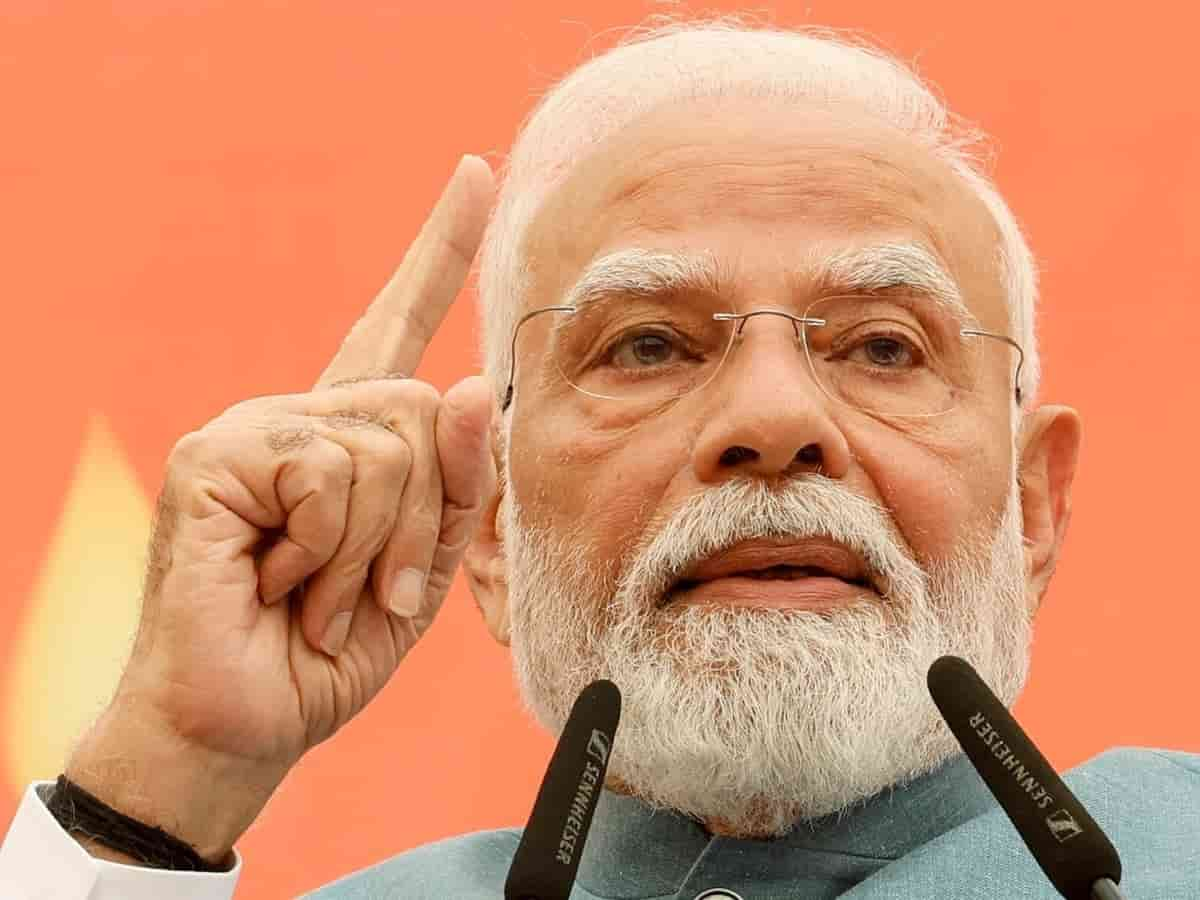
When escalating military conflict in West Asia sent global crude oil prices rocketing from $70 to $122 per barrel within a matter of weeks, Indian farmers, transporters, and households braced for a devastating fuel price shock. Economically, the surge in international energy costs warranted a steep increase of at least ₹50 per litre in domestic diesel prices. Yet across petrol pumps from New Delhi and Mumbai to Lucknow, Kanpur, and Patna, retail diesel rates were raised by only ₹7 per litre. Speaking at the Kisan Tak Bharat Agriculture Conference 2026 at Bharat Mandapam in New Delhi on Thursday, November 12, Prime Minister Narendra Modi laid out the exact arithmetic behind that decision—revealing that the Union government deliberately chose to absorb the remaining ₹43 per litre burden itself, even at the cost of a ₹14,000 crore monthly financial loss to the exchequer.
How Crude Oil’s Surge From $70 to $122 Threatened Indian Farmers
Addressing thousands of farmers, agricultural scientists, and policymakers in the national capital, PM Modi explained how vulnerable India’s farm economy is to global energy shocks. Because India imports the overwhelming majority of its crude oil requirements, a sudden spike in international oil prices—triggered by geopolitical hostilities in West Asia—immediately threatens domestic inflation. Diesel serves as the lifeblood of Indian agriculture and logistics, powering tractors, irrigation pumps, harvesters, and freight trucks carrying crops from rural mandis across Uttar Pradesh, Punjab, Haryana, and Madhya Pradesh to urban markets. As the Prime Minister noted, passing the full ₹50 per litre increase on to consumers would have crippled farming operations, inflated food prices across every household kitchen, and derailed rural incomes.
Absorbing ₹43 Per Litre and Bearing a ₹14,000 Crore Monthly Loss
Detailing how the Centre shielded citizens while neighbouring economies saw fuel prices jump by 40 to 50 percent, PM Modi stated that the government stepped in to cushion the blow through fiscal absorption and adjustments via state-run Oil Marketing Companies (OMCs). By restricting the retail revision to ₹7 per litre and absorbing ₹43 on every litre sold, the government took on a recurring burden of roughly ₹14,000 crore every single month. Currently, retail fuel prices remain tightly anchored across major metros, with diesel retailing around ₹95.20 per litre in New Delhi and ₹97.83 in Mumbai, alongside petrol at ₹102.12 in Delhi and ₹111.21 in Mumbai. Alongside fuel price insulation, PM Modi highlighted parallel support for India’s annadatas, pointing out that the government has spent ₹16 lakh crore over the past twelve years on fertiliser subsidies—ensuring that a bag of Di-Ammonium Phosphate (DAP) costing roughly ₹5,000 internationally reaches Indian farmers at ₹1,300, while urea priced at ₹3,000 globally is supplied for just ₹300.
Turning India’s Farmers Into ‘Agri-Preneurs’ Ahead of 2047
Beyond immediate relief on diesel and fertiliser costs, the Prime Minister used the conference platform to outline a long-term structural roadmap aimed at reducing agriculture’s dependence on imported fossil fuels altogether. Urging agricultural equipment manufacturers to accelerate the rollout of solar-powered farming machinery and praising rural women’s collectives under the Namo Drone Didi initiative for lowering cultivation costs, PM Modi called on farmers to embrace natural farming, crop diversification, and modern technology. With India’s agricultural sector recording an average annual growth rate of 4 percent over the past decade and ranking first globally in milk, rice, jute, and millet production, the government’s dual strategy—shielding farmers from short-term global oil shocks while transitioning villages toward clean, solar-driven mechanisation—forms a central pillar of its Viksit Bharat 2047 vision.