North India Statesman
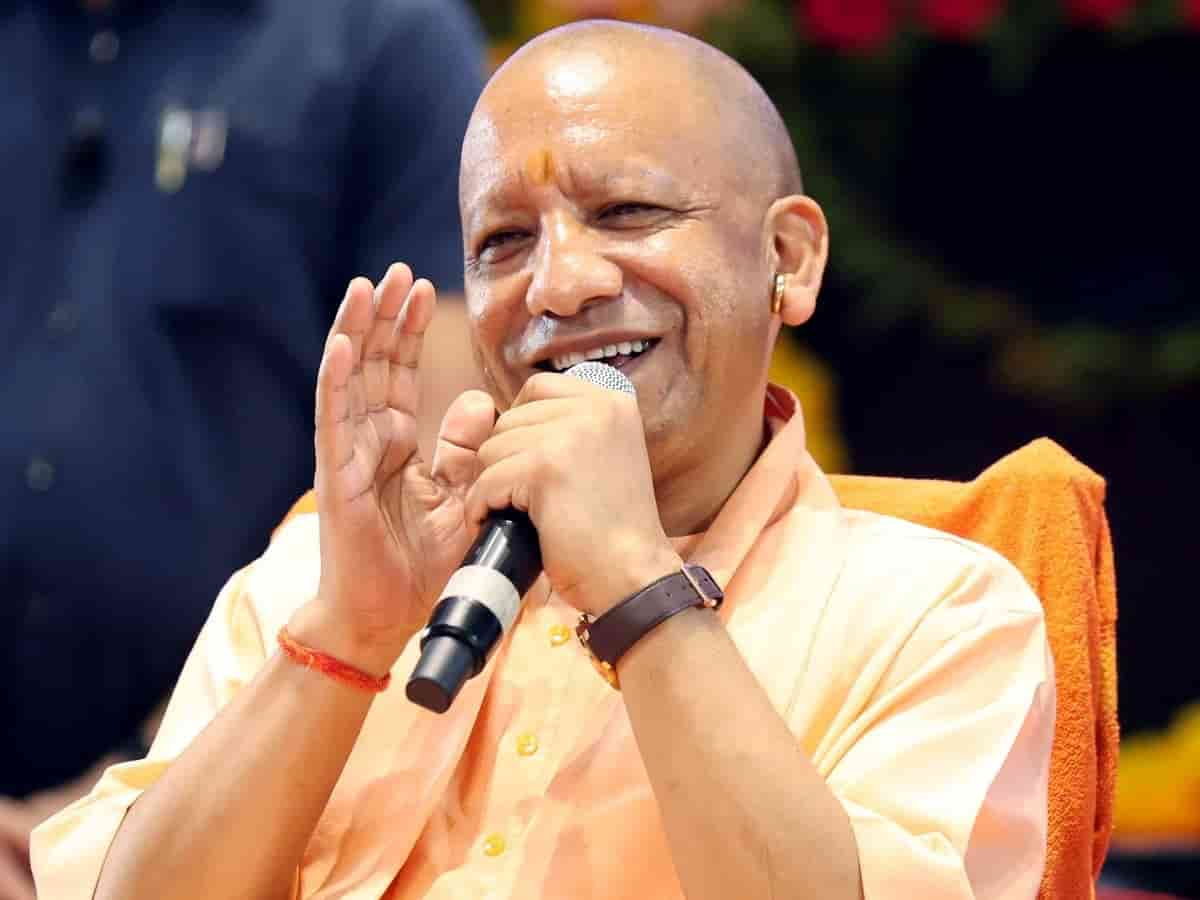
Uttar Pradesh Chief Minister Yogi Adityanath is set to deliver a major digital boost to young learners across the state on Sunday, November 15, 2026, by distributing free tablets to approximately 50,000 students at a mega event in Lucknow. Hosted at the Rashtra Prerna Sthal in the state capital, the ceremony marks the formal launch of the state government’s ambitious new drive to supply 25 lakh additional tablets during the 2026–27 academic session. Operated under the flagship Swami Vivekananda Yuva Sashaktikaran Yojana, the initiative is designed to bridge the digital divide and equip college, technical, and vocational students with reliable hardware for online education, skill training, and competitive exam preparation. For tens of thousands of families across central Uttar Pradesh, the distribution event represents direct, tangible support toward modernizing classroom learning without adding financial strain to household budgets.
Which Districts and Students Are Included in the November 15 Lucknow Event?
The November 15 gathering at Rashtra Prerna Sthal specifically brings together around 50,000 enrolled students from four neighboring districts of the Lucknow division: Lucknow, Hardoi, Sitapur, and Unnao. State education and administrative officials have coordinated transport, seating, and verification desks to ensure smooth distribution for the visiting student cohorts. Simultaneously, district administrations across the rest of Uttar Pradesh are initiating phased distribution schedules through local universities, degree colleges, and technical institutes. One of the defining features of the Swami Vivekananda Yuva Sashaktikaran Yojana is its inclusive eligibility framework: the Uttar Pradesh government has placed no family income ceiling or strict age cap on student beneficiaries. Whether a student hails from an agrarian household in Sitapur or Unnao, or an urban neighborhood in Lucknow, regular enrollment in an approved course qualifies them for the digital device.
What Is the Swami Vivekananda Yuva Sashaktikaran Yojana and Its 2026–27 Target?
Originally inaugurated on December 25, 2021—the birth anniversary of former Prime Minister Atal Bihari Vajpayee—at Lucknow’s Bharat Ratna Shri Atal Bihari Vajpayee Ekana Cricket Stadium, the scheme was later formalized as the Swami Vivekananda Yuva Sashaktikaran Yojana with a five-year roadmap to empower two crore young citizens with digital tools. Over the past four years, the state government has already distributed roughly 60 to 62 lakh smartphones and tablets to students statewide. Building on that foundation, the Yogi Adityanath cabinet approved the procurement and rollout of 25 lakh fresh tablets for the 2026–27 cycle, backed by a dedicated budget allocation of ₹2,374.60 crore, with each tablet procured at an estimated unit cost of around ₹17,000. Alongside this youth outreach, Lucknow is also preparing to host Prime Minister Narendra Modi on November 21 at the Indira Gandhi Pratishthan for the Kaushal Dikshant Samaroh, where winners of international skill competitions will be felicitated—prompting officials to reserve the venue from November 20 to 22.
Who Is Eligible for the UP Free Tablet Scheme and How Does Verification Work?
The scheme covers a broad spectrum of academic and professional streams across state universities, central universities located within Uttar Pradesh, and institutions affiliated with key state departments. Eligible beneficiaries include students pursuing undergraduate and postgraduate degrees, polytechnic diplomas, Industrial Training Institute (ITI) trades, medical and paramedical courses, nursing programmes, agricultural studies, and government-recognized skill development courses. Importantly, students do not need to fill out any separate online or offline application form or pay any registration fee. Instead, beneficiary lists are compiled directly by respective colleges and training institutions and uploaded onto the official DigiShakti portal. Once an institution verifies and uploads student records, candidates are only required to complete their Aadhaar-based e-KYC authentication through the DigiShakti portal (linked via Meri Pehchan / e-Pramaan), ensuring their name, gender, and date of birth match their Aadhaar credentials before receiving their device.
How Will These Tablets Support Education and Employability Across Uttar Pradesh?
Beyond serving as hardware, each distributed tablet is pre-configured to act as a portable digital classroom and career portal. Through the integrated DigiShakti Adhyayan App, students gain direct access to curated university syllabi, e-books, digital libraries, recorded lectures, and technical training modules. Furthermore, the devices feature regular government updates regarding state and central employment drives, apprenticeship openings, startup incentives, and youth welfare programmes. For students in semi-urban and rural pockets of Uttar Pradesh—where personal laptops and high-speed home computing setups often remain out of reach—having a dedicated tablet allows uninterrupted participation in online workshops, coding bootcamps, and digital literacy courses. As Chief Minister Yogi Adityanath hands over the first batch of devices at Rashtra Prerna Sthal on November 15, the rollout sets the pace for one of India’s largest state-led digital education initiatives over the coming months.