North India Statesman
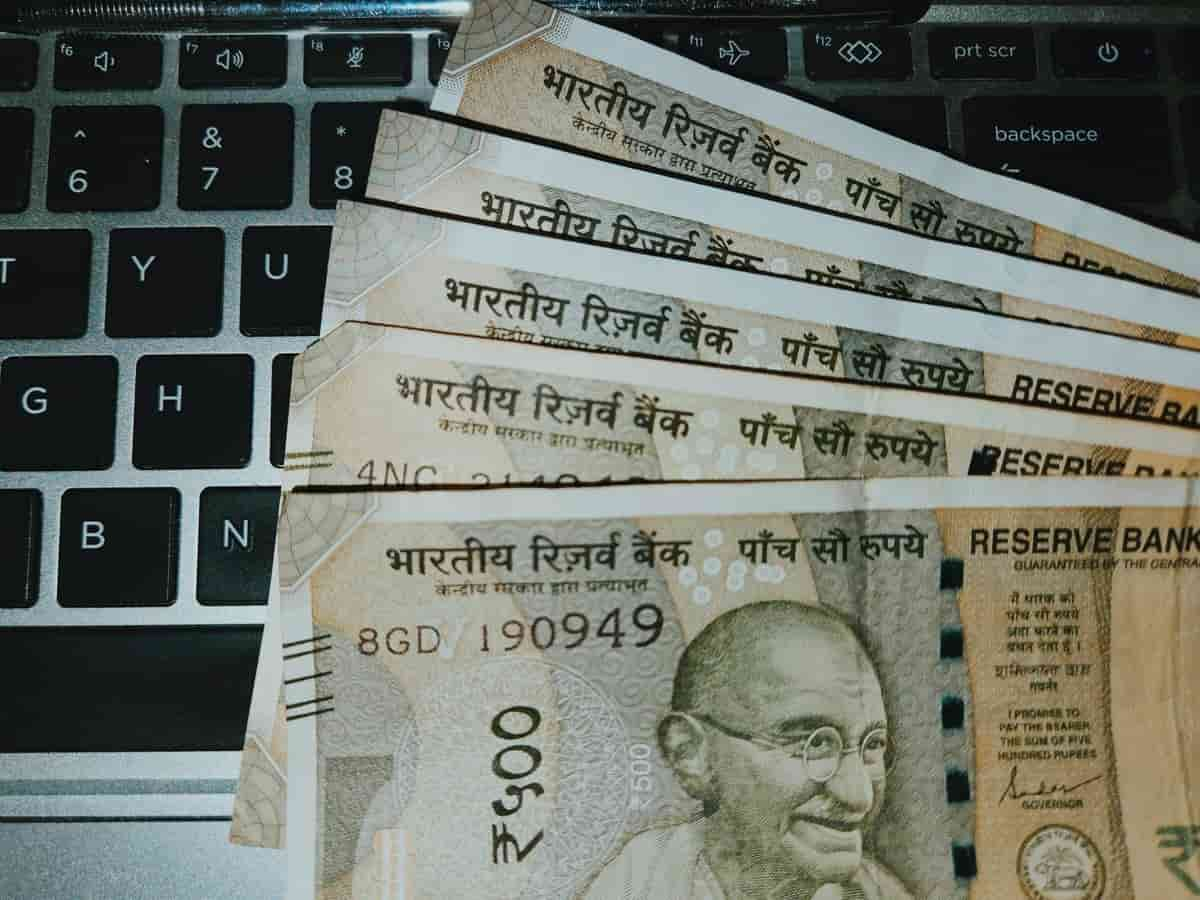
Conservative savers and retirees across India have fresh reason to celebrate this November as major public sector lenders, private banks, and small finance banks have begun revising their fixed deposit (FD) interest rates upward. Following the Reserve Bank of India’s (RBI) monetary policy tightening in October 2026—prompted by retail inflation edging past the central bank’s 6 per cent upper tolerance threshold—commercial lenders are competing aggressively to mobilise household savings. For millions of middle-class families from metropolitan hubs like Mumbai, Bengaluru, and Delhi NCR to rapidly growing Tier-2 and Tier-3 banking centres across Uttar Pradesh—such as Lucknow, Kanpur, and Unnao—term deposits remain the cornerstone of guaranteed wealth preservation.Behind this renewed upward momentum lies a structural gap between bank credit growth and deposit mobilisation. With festive and post-festive demand keeping corporate and retail loan disbursements brisk, banks face tighter systemic liquidity. To bridge this funding gap without straining their credit-to-deposit ratios, lenders are sweetening interest payouts on select medium- and long-term tenure buckets for deposits below ₹3 crore. Crucially, these rate adjustments also coincide with the RBI’s revised deposit transparency norms that took effect on October 1, 2026, mandating uniform, publicly disclosed card rates across all branches nationwide so retail depositors receive identical returns whether they book an FD in a metro flagship branch or a regional town.
Public Sector Banks Lead Targeted Tenure Revisions
State-owned lenders have rolled out focused hikes on special maturity buckets to attract sticky retail funds. Bank of Baroda revised its retail term deposit rates effective November 12, 2026, raising the interest rate on its popular 555-day “bob Golden Goal” special deposit scheme by 10 basis points. Under the updated schedule, general citizens earn 6.85 per cent per annum, senior citizens receive 7.35 per cent, and super senior citizens aged 80 years and above qualify for 7.45 per cent. Meanwhile, Punjab National Bank (PNB) adjusted its rates on November 5, 2026, offering general depositors 6.80 per cent on its 680-day special tenure and 6.70 per cent on the 444-day bucket, while senior citizens earn up to 7.10 per cent.Other public sector banks are also offering competitive yields for risk-averse households. Indian Overseas Bank (IOB) updated its card rates on November 10, 2026, extending up to 6.75 per cent for regular customers. Among nationalised peers, Central Bank of India continues to offer peak regular rates touching 7.00 per cent on select special tenures, while Punjab & Sind Bank provides up to 6.90 per cent. For savers who prioritise sovereign-backed institutional comfort alongside predictable quarterly or cumulative interest payouts, these state-run lenders deliver reliable, inflation-beating stability.
Private Sector Lenders Lift Long-Term Deposit Yields
Leading private sector banks have similarly recalibrated their interest rate matrices in November 2026, particularly strengthening payouts on longer maturities. HDFC Bank revised its domestic fixed deposit rates effective November 4, 2026, boosting its five-to-ten-year tenure rate by 45 basis points. General depositors at HDFC Bank now earn a uniform 6.60 per cent per annum across all tenures spanning three years and one day up to ten years, while senior citizens enjoy 7.20 per cent on three-to-five-year deposits and 7.10 per cent on five-to-ten-year deposits. ICICI Bank followed suit on November 11, 2026, aligning its peak long-term retail FD rate at 6.60 per cent for regular customers and 7.20 per cent for senior citizens on deposits maturing between three years and ten years. Mid-sized private lenders are pushing yields even higher to capture market share. Kotak Mahindra Bank offers up to 6.80 per cent for general depositors and 7.30 per cent for seniors, while IDFC First Bank provides up to 7.10 per cent for regular savers and 7.35 per cent for senior citizens. Bandhan Bank stands out among universal private banks with peak rates reaching 7.45 per cent for general customers and 7.95 per cent for senior citizens on select buckets.
Small Finance Banks Offer Peak Returns Up to 8.60 Per Cent
For investors willing to look beyond large universal banks to maximise passive income, small finance banks (SFBs) remain the clear yield leaders in November 2026. Regulated by the RBI and covered under the Deposit Insurance and Credit Guarantee Corporation (DICGC) safety net—which insures principal and interest up to ₹5 lakh per depositor per bank—small finance banks are offering between 100 and 165 basis points more than large private peers. Suryoday Small Finance Bank currently offers up to 8.25 per cent per annum for general depositors and an industry-leading 8.60 per cent for senior citizens on five-year deposits.Close behind, Utkarsh Small Finance Bank—which revised its schedule on November 1, 2026—provides 8.10 per cent to regular customers and 8.50 per cent to senior citizens on its 666-day special tenure. Ujjivan Small Finance Bank also offers 8.10 per cent to general depositors and 8.60 per cent to senior citizens on tenures ranging from three years and one day to three years and six months. Meanwhile, Jana Small Finance Bank updated its rates on November 6, 2026, offering 8.00 per cent to regular customers and 8.30 per cent to senior citizens for a three-year (1,095-day) deposit, matching peak general rates of 8.00 per cent available at Equitas Small Finance Bank, Unity Small Finance Bank, and ESAF Small Finance Bank.
Smart Strategies to Maximise Your FD Returns Safely
While rising FD rates present an attractive window to lock in assured returns, financial planners advise depositors not to put all their capital into a single maturity date. Because banks have selectively hiked specific tenures—such as 555-day, 666-day, or three-to-five-year buckets—while keeping shorter tenures moderate, adopting an “FD laddering” strategy is widely recommended. By dividing a lump sum across multiple deposits maturing at one-year, two-year, and three-year intervals, households maintain periodic liquidity for emergencies while retaining the flexibility to reinvest maturing tranches if interest rates climb further in early 2027. Depositors must also factor in taxation and deposit insurance rules before committing funds. Interest earned on fixed deposits is fully taxable according to the individual’s applicable income tax slab, and banks deduct Tax Deducted at Source (TDS) at 10 per cent once annual interest exceeds ₹40,000 for regular citizens or ₹50,000 for senior citizens (unless Form 15G or 15H is submitted). Additionally, when allocating funds to high-yielding small finance banks, prudent savers should keep total deposits per bank within the ₹5 lakh DICGC insurance ceiling and verify whether a high-rate scheme is “callable” (allowing premature withdrawal with a minor penalty) or “non-callable” (locked until maturity). Comparing official rate cards directly on bank websites ensures savers capture the highest safe returns available in today’s market.