North India Statesman
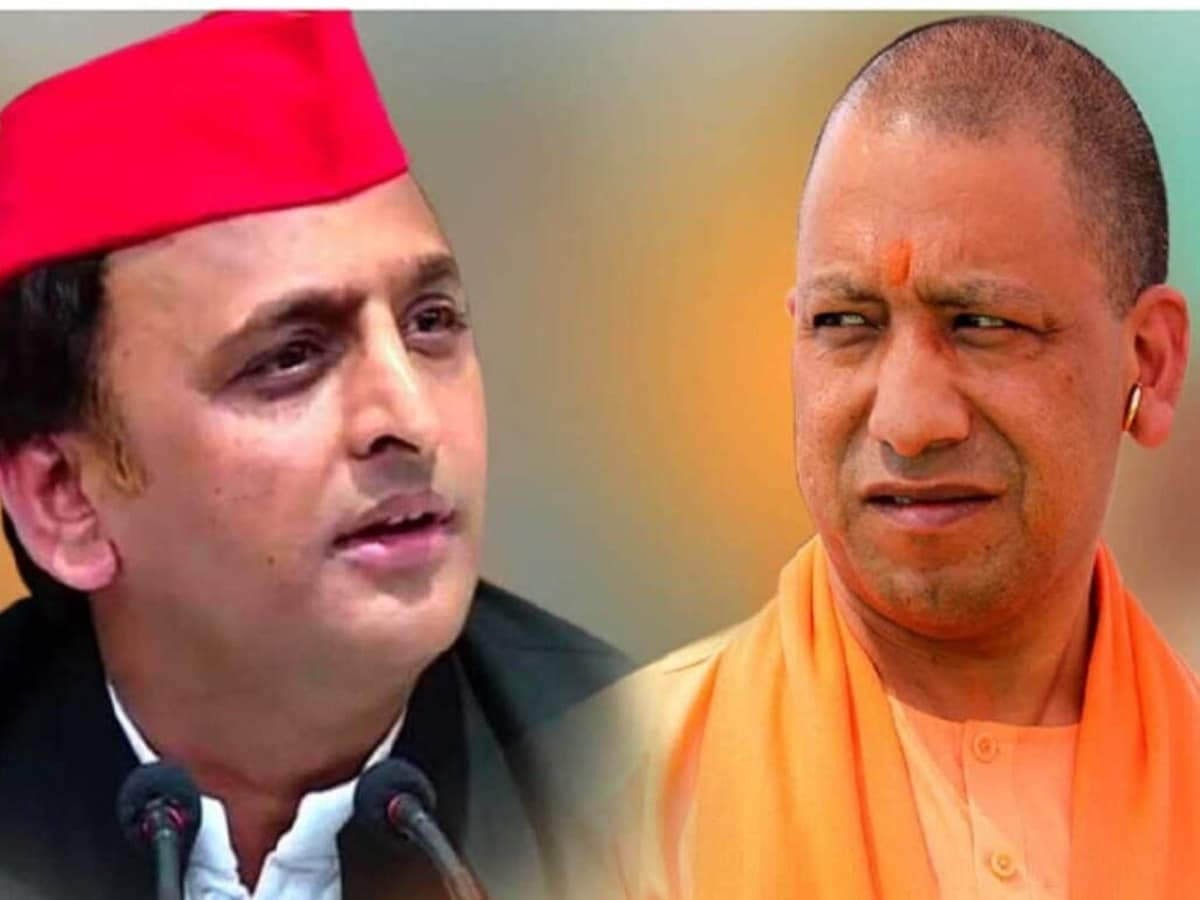
A fierce political showdown has erupted in Uttar Pradesh ahead of the 2027 Assembly elections after Samajwadi Party (SP) president Akhilesh Yadav accused Chief Minister Yogi Adityanath of weaponising unverified claims of mass voter deletions for narrow electoral polarisation. The war of words centres on the ongoing Special Intensive Revision (SIR) of electoral rolls across the state, during which CM Yogi Adityanath publicly alleged that approximately 1.27 crore Hindu voters had gone missing from Uttar Pradesh’s voter lists while minority voter numbers rose. Questioning the very source and credibility of the Chief Minister’s figures, Akhilesh Yadav challenged the state government to explain where such community-specific data originated when the Election Commission of India does not publish religion-wise voter rolls. As political temperatures climb across Lucknow, Ayodhya, Kanpur, and Unnao, the clash has turned voter-list transparency into one of the defining flashpoints of Uttar Pradesh politics heading into 2027.
What Did Akhilesh Yadav Allege Against CM Yogi Adityanath?
Responding sharply to the Chief Minister’s repeated assertions regarding deleted names, Akhilesh Yadav accused the Bharatiya Janata Party (BJP) leadership of attempting to manufacture a communal narrative for political mileage ahead of the state polls. Pointing out inconsistencies in earlier statements made by the ruling camp, the former Chief Minister recalled that at one stage the figure cited was four crore deleted votes, and now it had suddenly settled at 1.27 crore Hindu voters. Yadav demanded complete transparency on who compiled these figures and through what official mechanism. In a parallel counter-offensive on social media platform X, the SP chief put forward three concrete electoral reform demands aimed at eliminating what he described as BJP-backed bogus voting. First, Yadav called for mandatory linking of Aadhaar cards with voter registration. Second, he proposed replacing conventional paper and plastic Electors Photo Identity Cards (EPIC) with tamper-proof metal voter cards so duplicate IDs cannot be fabricated. Third, he demanded biometric authentication—using fingerprints or iris scans—at polling booths, arguing that unique biometric verification would immediately put an end to fake voting allegations.
Why Did CM Yogi Adityanath Claim 1.27 Crore Hindu Votes Were Cut?
The controversy gained national momentum following Chief Minister Yogi Adityanath’s remarks at a major media conclave in Ayodhya on November 9, 2026, after earlier raising similar concerns during a BJP state executive meeting in Lucknow. Defending the Special Intensive Revision exercise—which saw Uttar Pradesh’s total electorate drop from 15.44 crore prior to the revision to 13.39 crore following the April 2026 roll publication—Adityanath contended that roughly 1.27 crore Hindu voters were unaccounted for in the updated Assembly lists. Breaking down his claim, the Chief Minister stated that this group included 66 lakh previously verified voters, 55 lakh beneficiaries of state and central government welfare schemes, and around 4.5 lakh first-time young voters in the 18–19 age bracket. Simultaneously, Adityanath alleged that the number of Muslim voters in the state had risen by 1.65 percent after the revision. Challenging Akhilesh Yadav directly, the Chief Minister claimed the Samajwadi Party would never demand a rollback of the SIR process because the revised rolls allegedly tilted the demographic balance in its favour, while confirming that the BJP had submitted a formal memorandum to the Election Commission seeking corrections.
How the Opposition and Election Commission Responded to the Row
The Chief Minister’s public criticism of an Election Commission-supervised revision placed the ruling party in an unusual political spot, as opposition leaders had spent months accusing the BJP and the poll panel of colluding to delete opposition-leaning voters through the misuse of Form 7 objections. Senior Samajwadi Party leaders, including MLC Udaiveer Singh, dared Yogi Adityanath to back an impeachment motion against the Chief Election Commissioner if he genuinely believed the poll body had overseen massive irregularities in Uttar Pradesh. Meanwhile, state election authorities moved to cool down the political speculation with factual timelines. Uttar Pradesh Chief Electoral Officer (CEO) Navdeep Rinwa announced that the Election Commission’s state office will issue a detailed, point-by-point clarification addressing all queries and claims surrounding the Special Intensive Revision on November 17, 2026, immediately following the publication of the draft rolls for the ongoing special summary revision.
Why Voter Roll Revisions Have Become Central to UP’s 2027 Battle
With Uttar Pradesh home to India’s largest electorate and 403 Assembly constituencies, even marginal shifts in voter registration across districts from Meerut and Bareilly to Lucknow, Kanpur, and Gorakhpur can swing dozens of tightly contested seats. Following the 2024 Lok Sabha elections—where the Samajwadi Party-Congress alliance significantly reduced the BJP’s tally in the state—both camps have treated booth-level voter verification as a decisive frontline battle. While the BJP is urging its booth workers to ensure missing names are added during the summary revision window, Akhilesh Yadav’s party is framing the Chief Minister’s 1.27 crore figure as a calculated diversion from core issues like inflation, employment, and public education. Once CEO Navdeep Rinwa releases official data after November 17, voters and political observers alike will get a clearer picture of how the numbers stack up ahead of the high-stakes 2027 electoral contest.