North India Statesman
[ad_1]
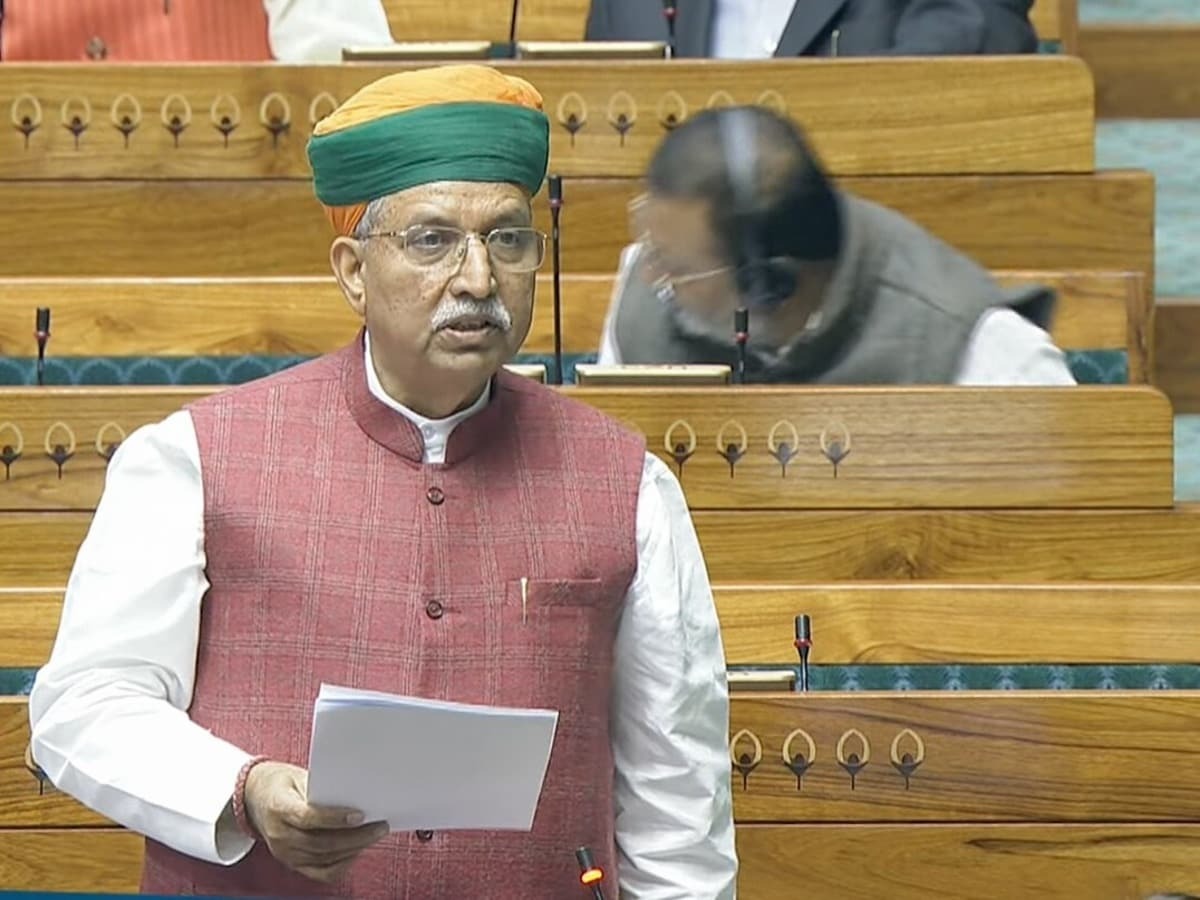
The central government has given an important statement about the appointment of judges in the High Courts in Parliament. Law Minister Arjun Ram Meghwal informed that since 2018, 78% of the judges appointed in various High Courts of the country are from the upper caste. At the same time, Scheduled Castes (SC), Scheduled Tribes (ST) and minorities have been represented by only 5%, while 12% of the judges from the Other Backward Classes (OBC) have been appointed.
Social representation status in judiciary
In response to the question asked by RJD MP Manoj Jha in the Lok Sabha, the Law Minister said that since 2018, 715 judges have been appointed in the High Courts, of which:
-
22 Judges from Scheduled Castes (SC)
-
16 Judges from Scheduled Tribes (ST)
-
89 Judge from Other Backward Classes (OBC)
-
37 judges were appointed from the minority community.
Commitment to increase social diversity
The Law Minister said that the government is committed to increasing social diversity in the judiciary. He said that from 2018, information about the social background of the candidates is also being sought in the appointment process of judges. This process has been prepared in consultation with the Supreme Court.
The government urges the Chief Justice of the High Courts to focus on giving proper representation to SC, ST, OBC, minority communities and women while nominations for judges posts, so that balance in the judiciary is maintained.
No reservation in judicial appointments
RJD MP Manoj Jha had raised the question in the Rajya Sabha that the representation of SC, ST, OBC, women and minorities in the judiciary is very low and their appointment has declined. He also asked whether the government has raised the issue before the Supreme Court.
In response, the Law Minister clarified that judges in the High Courts and Supreme Court are appointed under Articles 124, 217 and 224 of the Constitution of India, which does not have a provision for reservation for any caste or class.
Collegium role in appointment process
The Law Minister also stated that judges are appointed mainly by the collegium of the Supreme Court. The government is constantly making efforts on this subject, but the responsibility of starting the appointment process is with the Chief Justice and the Chief Justice of the High Courts.