 North India Statesman
[ad_1]
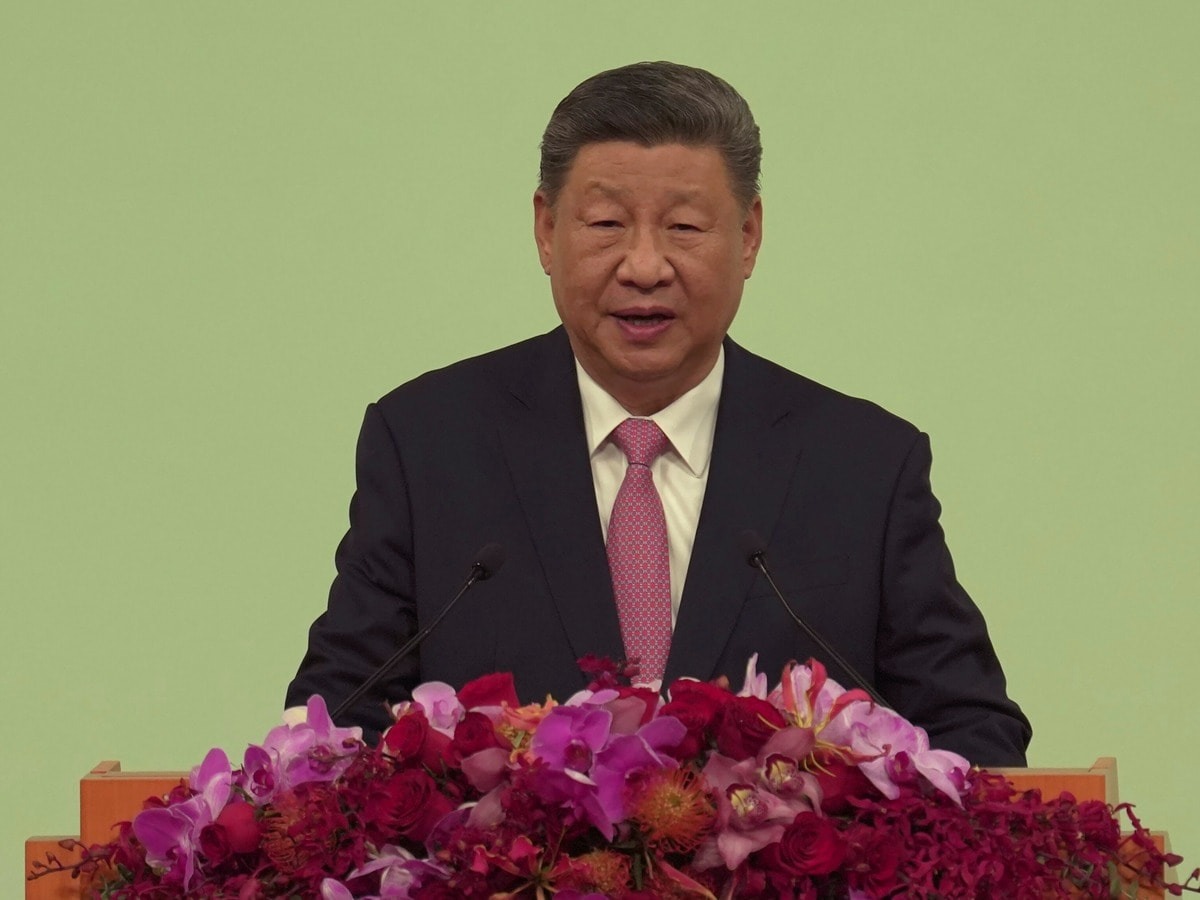
Chinese President Xi Jinping has given a strong message at the beginning of the new year regarding the reunification of Taiwan, in which he said that it can never be stopped. He made this statement amid the recession in the economy and in the context of the possible return of Donald Trump as US President.
The political differences between China and Taiwan are clear; While China is a leftist country, Taiwan operates under a democratic government. In recent days, China has increased pressure on Taiwan, including activities by its aircraft and ships near Taiwan. Additionally, Beijing has tried to isolate Taipei internationally.
Trump, in his second term, has threatened to impose punitive import tariffs and trade measures against China. “We Chinese, living on both sides of the Taiwan Strait, are all one family,” Xi Jinping said in his New Year address on state TV. No one can ever break the bond of kinship between us.”
China considers Taiwan a part of its mainland and seeks to recognize it under the ‘One China’ policy. Xi Jinping has made unification with Taiwan a major military and political objective during his third five-year term.
In terms of foreign policy, Xi reiterated China’s commitment to promoting global governance reform and maintaining world peace and stability. “In this period of change and turmoil, China, as a responsible leading country, is active in advancing global governance reform and strengthening cooperation among the ‘Global South’,” he said.
Xi Jinping’s New Year message was also an attempt to reassure the Chinese public about the economy, which has slowed significantly following Covid-19. He said the gross domestic product (GDP) of China’s economy is expected to exceed 130 trillion yuan (about 18.08 trillion US dollars) in 2024, and grain production has also exceeded 700 million tons.
However, China is facing challenges in exporting e-vehicles as the US and EU have imposed heavy duties on it. The biggest challenge for Xi Jinping is arising from the return of Trump, who is going to assume the presidency on January 20. Trump had already threatened to impose large import tariffs on Chinese imports, and a trade war with China began during his first term.
Trump’s policies have strained relations with China, and he also blamed China for the COVID-19 pandemic. In such a situation, it has become important for China to strengthen its economic and political position.


