North India Statesman
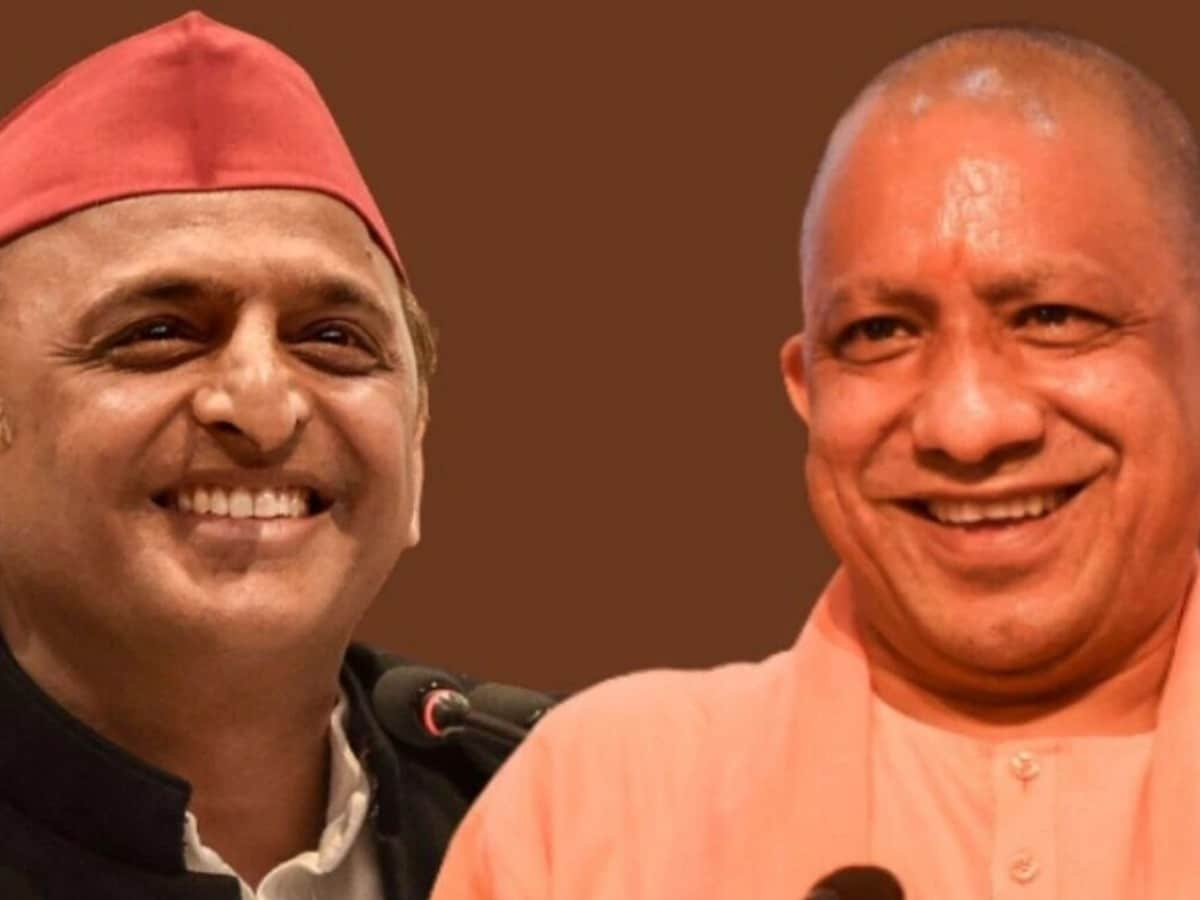
The political battleground in Uttar Pradesh has reached a fever pitch as the Bharatiya Janata Party (BJP) and the Samajwadi Party (SP) lock horns over eleven crucial seats in the Uttar Pradesh Legislative Council (MLC) elections. Demonstrating the immense significance of this contest, Chief Minister Yogi Adityanath has stepped directly onto the campaign frontlines, addressing massive public rallies for consecutive days across key electoral pockets. Sensing the intense ground pressure and high stakes, Samajwadi Party national president Akhilesh Yadav executed an eleventh-hour tactical move by changing two of his party’s official candidates to tighten booth-level equations. What is conventionally seen as an indirect, localized council election has now transformed into a full-scale direct proxy war between the ruling government and the primary opposition, setting the stage for aggressive political positioning across the state.
Reason 1: The Ultimate Litmus Test Ahead of the UP Assembly Elections
The foremost factor turning these eleven council constituencies into a prestige battle is their strategic timing as a curtain-raiser before the upcoming Uttar Pradesh Assembly elections. Both the BJP and the Samajwadi Party view these MLC seats not merely as additions to the Upper House roster, but as a critical barometer of the prevailing public mood and grassroots sentiment. For the ruling BJP, sweeping these seats serves as validation of CM Yogi Adityanath’s governance track record, law-and-order narrative, and administrative reach. For the Samajwadi Party, securing unexpected inroads or staging upsets is vital to demonstrating sustained organizational momentum and convincing cadre networks that the party remains the singular formidable alternative to the double-engine administration.
Reason 2: Caste Equations, PDA Strategy, and Coalition Stress Tests
The second driving factor centers on aggressive social engineering and demographic realignment, directly reflected in candidate selections. Akhilesh Yadav’s eleventh-hour decision to withdraw and replace two nominees underlines the Samajwadi Party’s meticulous focus on fine-tuning its PDA (Pichhda, Dalit, Alpsankhyak) alliance matrix against localized rebel threats or non-responsive candidate dynamics. On the opposing side, CM Yogi Adityanath and state BJP leadership are deploying a cohesive counter-strategy aimed at consolidating non-Yadav OBCs, upper-caste voter blocs, and urban professional segments who traditionally hold significant sway in specialized council electorates like teachers’ and graduates’ constituencies. The electoral arithmetic on each of these eleven seats will determine which party holds the superior formula for bridging community balances when full-scale legislative assembly polls commence.
Reason 3: Securing Legislative Clout and Psychological Hegemony
The third vital dimension is the struggle for absolute legislative dominance and psychological supremacy in the state capital. Dominance in the Legislative Council guarantees smoother passage for landmark government policies, educational reforms, and legislative bills without procedural roadblocks from the opposition benches. For CM Yogi Adityanath, spearheading the charge personally sends an unmistakable signal of command, demonstrating an aggressive grassroots presence and keeping district-level party machinery fully primed. For Akhilesh Yadav, mounting a determined resistance and forcing tight contests even in traditional saffron strongholds is essential to keeping worker morale elevated, checking political defections, and establishing psychological parity in Lucknow’s political corridors.