North India Statesman
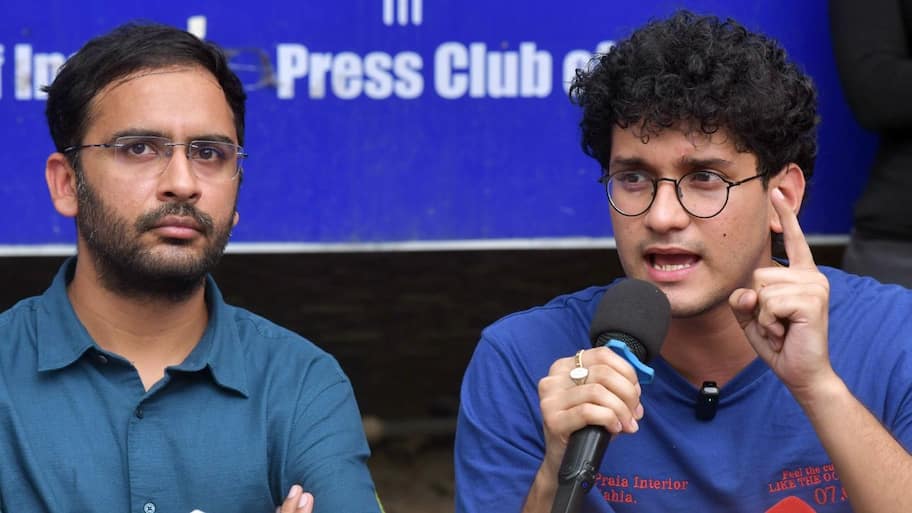
In a significant judicial development bringing an end to a week-long period of incarceration, a Special Executive Magistrate (SEM) court in New Delhi on Wednesday ordered the immediate release of Cockroach Janta Party (CJP) spokespersons Saurav Das and Ashutosh Ranka from judicial custody. Assistant Commissioner of Police (ACP) Ritu Raj, presiding as the Special Executive Magistrate, issued the formal release directive after accepting the revised bail bonds and fitness sureties furnished on behalf of the two detained youth activists. The magistrate’s verdict arrived despite vehement opposition from the Delhi Police, which had aggressively sought a three-day extension of their detention on grounds of maintaining public order and preventing renewed demonstrations in sensitive central zones. The decision caps seven tumultuous days of legal wrangling that saw the controversial arrests escalate from a localized protest misdemeanor into a fierce constitutional debate heard simultaneously before the executive magistracy and the Delhi High Court.
The Midnight Bail Order: How the SEM Court Cleared the Release
The legal standoff reached its turning point late Wednesday afternoon when advocates Abhik Chimni and Pranjal Abrol, representing the incarcerated CJP leaders, presented fresh, solvent sureties and complied with the formal requirements mandated under the preventive sections of criminal procedure. Das and Ranka had been lodged in Tihar Jail under judicial remand since October 14, following an earlier rejection of their initial bail sureties. During the proceedings, the prosecution pressed for further detention, arguing that the duo demonstrated an unyielding tendency to organize unauthorized gatherings in denotified zones. However, the defense successfully established that the preventive detention period had exceeded any reasonable investigative necessity and that prolonged incarceration in a bailable, preventive dispute infringed upon fundamental liberty safeguards. Accepting the documentation, the court signed off on the release warrants, prompting widespread relief among family members and party volunteers assembled outside the court complex. Exiting the legal chambers, an elated Saurav Das declared that truth had triumphed over bureaucratic intimidation, affirming that peaceful youth advocacy cannot be silenced by arbitrary prison gates.
Origins of the Arrest: The Jantar Mantar Gate-Climbing Episode
The chain of events leading to the duo’s custody dates back to the afternoon of October 13, when Saurav Das and Ashutosh Ranka led an unexpected direct-action demonstration at the historic Jantar Mantar protest site. Protesting the systemic administrative denotification and heavy barricading of the monument—which has served for decades as the traditional hub for public dissent in the capital—the two activists scaled the locked iron entry gates and unfurled the Indian national tricolor from the parapet while addressing gathering crowds and digital cameras. Law enforcement authorities quickly intervened, alleging that the act constituted willful criminal trespass, unlawful assembly, and a direct breach of public peace bonds that the leaders had previously signed following a detention on October 10. Delhi Police invoked Sections 107 and 151 of the Code of Criminal Procedure, arguing that the provocative demonstration within a high-security prohibited perimeter carried severe risks of law-and-order disruption, subsequently securing their formal five-day remand on October 14, which was later extended by two days on Monday.
High Court Clashes: ‘Barricades Have a Purpose’ and the Gen Z Debate
The bail order followed closely on the heels of dramatic exchanges earlier in the day before the Delhi High Court, where a single-judge bench headed by Justice Subramonium Prasad heard a petition moved by the CJP leaders challenging their preventive remand extension. During the hearing, the High Court refused to extend extraordinary judicial interference, delivering pointed observations regarding street agitation and police perimeters. When the petitioners’ counsel underscored their democratic rights and youth background, the court inquired into their exact ages; upon being informed that Das was 27 and Ranka was 32, the bench remarked that neither fell under the conventional sociological definition of Generation Z. More substantively, the court emphasized that police barricades are erected with a deliberate purpose to prevent unruly infiltration and preserve safety. Drawing parallels to violent street unrest seen internationally, the High Court observed that peaceful gatherings must seek formal administrative permissions to safeguard demonstrations from hostile elements, ultimately leading the petitioners to withdraw their plea and focus their remedy before the magistrate court.
The Rise of Cockroach Janta Party as an Unconventional Political Phenomenon
The dramatic arrest and release of Das and Ranka have cast an intense spotlight on the meteoric, unconventional ascent of the Cockroach Janta Party. Founded in May 2026 by political communications strategist and activist Abhijeet Dipke, the CJP began as a biting satirical collective designed to articulate the profound economic frustrations, unemployment anxieties, and institutional fatigue experienced by urban Indian youth. Using humorous yet incisive digital manifestos, street demonstrations, and community-driven campaigns, the outfit rapidly transformed into an influential grassroots platform capable of mobilizing thousands of educated students, job aspirants, and young professionals across Delhi, Maharashtra, and other urban pockets. The movement’s campaign against irregularities in government recruitment examinations, paper leaks, and electoral roll revisions under the Special Intensive Revision (SIR) framework struck a deep emotional chord with young voters, earning endorsements from prominent civil liberties activists, legal stalwarts, and opposition leaders who viewed the administration’s heavy-handed clampdown as an attempt to stifle spontaneous student activism.
Next Moves: Legal Bail Compliance and the Future of Capital Protests
With the release order formally dispatched to the superintendent of Tihar Jail, both Saurav Das and Ashutosh Ranka are scheduled to walk out of prison gates this evening after completing institutional gate formalities. In statements issued from party headquarters, CJP founder Abhijeet Dipke reiterated that the legal ordeal has only strengthened their organizational resolve to challenge executive overreach, civil liberties curbs, and administrative apathy through constitutional avenues. While police intelligence units remain vigilant across central New Delhi to prevent unsanctioned victory processions or spontaneous public gatherings, the magistrate’s dismissal of the custody extension marks a crucial legal triumph for the alternative political formation, setting a benchmark for preventive detention challenges across the national capital.