 North India Statesman
[ad_1]
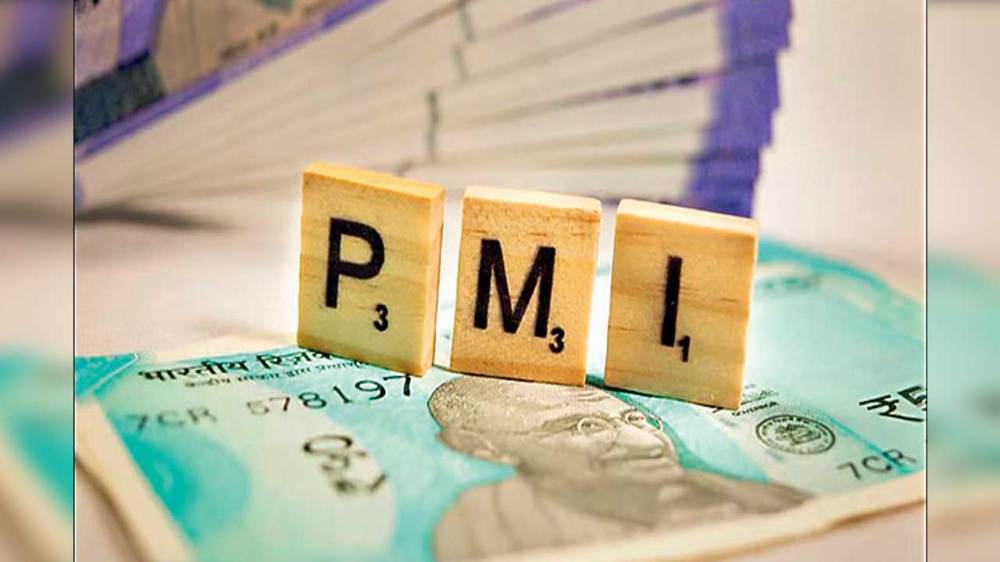
The hopes of improvement in the manufacturing sector have suffered another setback. The level of factory activity in India’s private sector fell to a 12-month low in December. Which recorded weak performance in November also.
This means that after November, there was a further decline in the performance of this sector in December also. A private survey said both new orders and output levels are set to fall to record lows by 2024. The decline in the level of expansion was followed by a trend towards renting factories. Layoffs were also initiated by some manufacturers last month, a report said. On the other hand, it has also been claimed that during December, not only did employment in the manufacturing sector increase for the tenth consecutive month, but the rate of job creation also became the fastest in four months. Nearly one in ten companies hired additional employees while less than two percent cut jobs. Experts said the rate of expansion in new orders was the slowest in years. Which indicates weak growth in production in the future. There was a slight improvement in the growth of new export orders. Which grew at the fastest pace after July. The increase in input prices moderated slightly. However, Indian manufacturers were stressed by intense cost pressures.
The expansion in manufacturing activity hit a combined 11-month low in November. After a further rise in December, the HSBC India Manufacturing Purchasing Managers’ Index (PMI) fell to 56.4 in December from 56.5 in November. India’s manufacturing sector registered a growth of only 2.2 percent during the July-September quarter of the current financial year. The latest PMI readings suggest there will be no improvement in the sector in the October-December quarter or the third quarter of 2024-25. Although new export orders grew at a slower pace than total new business from surveyed factories, they posted the fastest increase in international shipment deals since July. Input costs continued to rise in December and companies reported increases in container, material and labor costs. But the overall rate of input price inflation since November was moderate to mild. However, manufacturers continued to pass on price increases to consumers after raising selling prices at the fastest pace in 11 years during November. Due to which the cost burden was increasing. The accumulation rate was the weakest since December 2023, even as companies continued to stock up on inputs. Meanwhile, post-production inventories of finished goods declined at the fastest pace in seven months. The height of companies is attributed to sales volume. There was a reversal from November when finished goods stocks increased for the first time since August 2017.
