North India Statesman
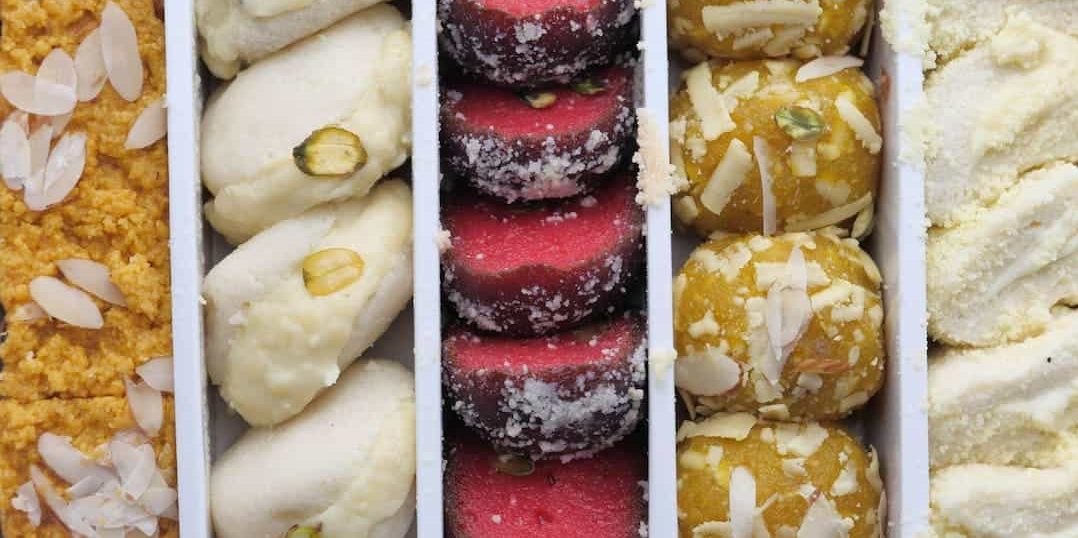
Diwali fills Indian homes from Lucknow’s bustling Hazratganj markets to Delhi’s illuminated lanes with laughter, glittering clay diyas, and towering boxes of rich, ghee-laden mithai. Yet for nearly one hundred million people living with diabetes across the country, the five-day festival of lights often brings anxiety instead of joy. Well-meaning relatives insisting on “just one bite” of gulab jamun, late-night dinners, disrupted sleep schedules, and sudden sedentary routines can cause havoc on glycemic control. Managing diabetes during the festive season does not mean retreating to a room while the family rejoices or staring mournfully at a plate of plain salad. Clinical endocrinologists emphasize that with structured nutritional awareness, disciplined timing, and smart festive substitutions, diabetic individuals can participate fully in every single Diwali tradition while keeping HbA1c and daily glucose markers completely in check.
Master the Plate: Strategic Pre-Loading and Festive Discipline
The biggest mistake diabetic individuals make during Diwali is fasting throughout the day in anticipation of a grand evening feast. Fasting drops glucose levels, causing intense counter-regulatory hunger hormones that trigger uncontrolled binge-eating the moment hot appetizers and sweets appear. Nutritionists recommend starting your festive morning with a protein-and-fiber powerhouse, such as a bowl of sprouted moong salad, scrambled eggs, or a besan chilla packed with grated spinach and paneer. Prior to stepping out for evening Lakshmi Puja or attending neighborly Diwali gatherings, consume a light pre-party snack like a handful of roasted almonds, walnuts, and a cup of warm cinnamon tea. Cinnamon naturally enhances insulin sensitivity, while the healthy fats and dietary fiber create satiety and slow down stomach emptying. When you arrive at the dinner table, fill half your plate with cucumber, tomato, and bell pepper salads along with warm vegetable stir-fries, allocate a quarter of the plate to lean proteins like paneer tikka or grilled dal kebabs, and reserve only the remaining small quarter for low-glycemic carbohydrates.
Six Delicious Diabetic-Friendly Sweets You Can Safely Include
Celebration in India is incomplete without mithai, and complete deprivation often leads to impulsive cheating. The secret lies in reimagining conventional high-sucrose, refined-maida recipes into nutrient-dense, low-glycemic treats. Here are six traditional sweets formulated specifically to honor festive flavor without triggering dangerous glucose surges:
1. Sugar-Free Silver-Coated Kaju Katli
Traditional kaju katli is notoriously loaded with refined sugar syrup that enters the bloodstream within minutes. However, cashews themselves have a moderate glycemic index and offer beneficial monounsaturated fatty acids. A diabetic-safe kaju katli is prepared by grinding whole raw cashews into a fine powder and blending them into a warm pan with natural plant-based erythritol or standardized stevia extract and a splash of green cardamom powder. Because cashews naturally release healthy oils upon mild heating, this treat requires zero synthetic binders or corn syrups. Eating one or two thin diamonds provides richness and festive nostalgia without the rapid glycemic spike of commercial confectionery.
2. Roasted Oats and Besan Gond Ladoo
Besan ladoos are the crown jewel of North Indian Diwali platters, but regular store-bought versions drown in pure refined sugar and excessive hydrogenated fats. You can recreate this classic by combining equal parts roasted chickpea flour (besan) with dry-roasted and coarsely ground rolled oats. Sauté the mixture in pure A2 cow ghee on a low flame until golden brown and aromatic, then toss in crushed edible gum (gond) and coarse almond slivers. Gond provides long-lasting satiety and gut support, while the soluble beta-glucan fiber in oats actively slows down carbohydrate absorption. Sweeten the warm mixture with pure monk fruit extract or a hint of raw jaggery substitute. These ladoos offer deep, nutty indulgence alongside essential dietary roughage.
3. Anjeer and Walnut Khajoor Rolls
When whole fruits are used wisely, their natural sweetness comes bound with structural plant fibers that buffer fructose assimilation. Anjeer (dried fig) and walnut rolls require zero processed sugar or artificial sweeteners. Soak premium dried figs and soft deseeded dates in warm water, drain thoroughly, and pulse them into a thick, coarse paste. Cook the paste over medium heat with a teaspoon of ghee until it leaves the sides of the pan, then fold in roasted chopped walnuts, pistachios, and chia seeds. Roll the mixture into a firm log, coat the exterior in lightly toasted white poppy seeds (khus khus), and slice into rounds once cooled. The omega-3 fatty acids in walnuts work together with the fiber in figs to prevent sudden spikes, giving you an exquisite, naturally sweet confection.
4. Low-GI Spiced Ragi and Almond Barfi
Finger millet, widely celebrated as ragi across southern and central India, is a slow-digesting cereal packed with complex carbohydrates, polyphenols, and calcium. Roast sprouted ragi flour alongside finely milled almond flour in a touch of clarified butter until fragrant. Whisk in unsweetened almond milk infused with crushed saffron threads and nutmeg to form a thick, luscious fudge. Sweeten using non-glycemic stevia or erythritol drops before setting the mixture onto a greased plate. Garnished with slivered almonds, this dark, rich barfi mirrors the earthy taste of chocolate fudge while delivering sustained, steady energy to the cells.
5. Stevia-Sweetened Paneer Chenna Kalakand
Soft, grainy kalakand is deeply comforting, but conventional recipes simmer full-fat dairy with heavy sugar crystals until condensed into a calorie bomb. A diabetic-safe alternative utilizes freshly curdled, homemade low-fat cow milk paneer (chenna). Knead the fresh, moist chenna with a small volume of unsweetened reduced milk and pure stevia powder. Cook the mixture gently over a low flame for barely six to eight minutes until the moisture evaporates, leaving behind soft, luscious curd granules. Top with fragrant rose petals, green cardamom seeds, and crushed pistachios. This festive sweet provides high-quality protein, which keeps post-prandial blood sugar levels flat.
6. Crispy Roasted Makhana and Dry Fruit Chivda
Festivals are not only about sweets; savory temptations like deep-fried mathris and salty bhujias pose an equally severe threat to metabolic balance. Trans fats combined with refined flour induce acute insulin resistance. Swap deep-fried commercial namkeens for a homemade roasted fox nut (makhana) chivda. Dry-roast makhanas in an iron skillet with a dash of cold-pressed mustard oil, curry leaves, crushed green chilies, turmeric, roasted peanuts, and Himalayan pink salt. Makhana is naturally low in sodium, virtually fat-free, and rich in slow-burning starch, making it the perfect crunchy snack to pair with black tea between evening card parties and firework displays.
The Non-Negotiable Ten-Minute Post-Meal Walk
Physical activity is your most potent natural antidote to holiday overindulgence. When you finish your festive Diwali meal, resist the temptation to sink into the living room couch. Instead, invite family members for a brisk ten-to-fifteen-minute stroll around your residential compound, garden, or local terrace. Post-prandial walking activates skeletal muscles, which absorb glucose directly from the bloodstream via insulin-independent GLUT4 transporters. This brief movement lowers peak post-meal glucose spikes by thirty to forty percent, preventing that heavy, sluggish exhaustion commonly experienced after festive dinners.
Hydration, Medication Adherence, and Monitoring Vigilance
Festival days often lead to dehydration because cold soft drinks, sugary sodas, and caffeinated teas replace plain water. Dehydration concentrates blood sugar, making normal readings register higher on glucometer strips. Drink at least eight to ten glasses of pure water daily, occasionally infused with fresh mint leaves, lemon wedges, or soaked chia seeds. Most importantly, never adjust, skip, or double your prescribed anti-diabetic medications or insulin units without direct consultation with your physician. Keep your glucometer readily accessible and check your fasting and post-prandial readings on Chhoti Diwali and Diwali night. Staying aware of your numbers empowers you to make mindful choices, ensuring your festival of lights remains safe, healthy, and genuinely joyous.