North India Statesman
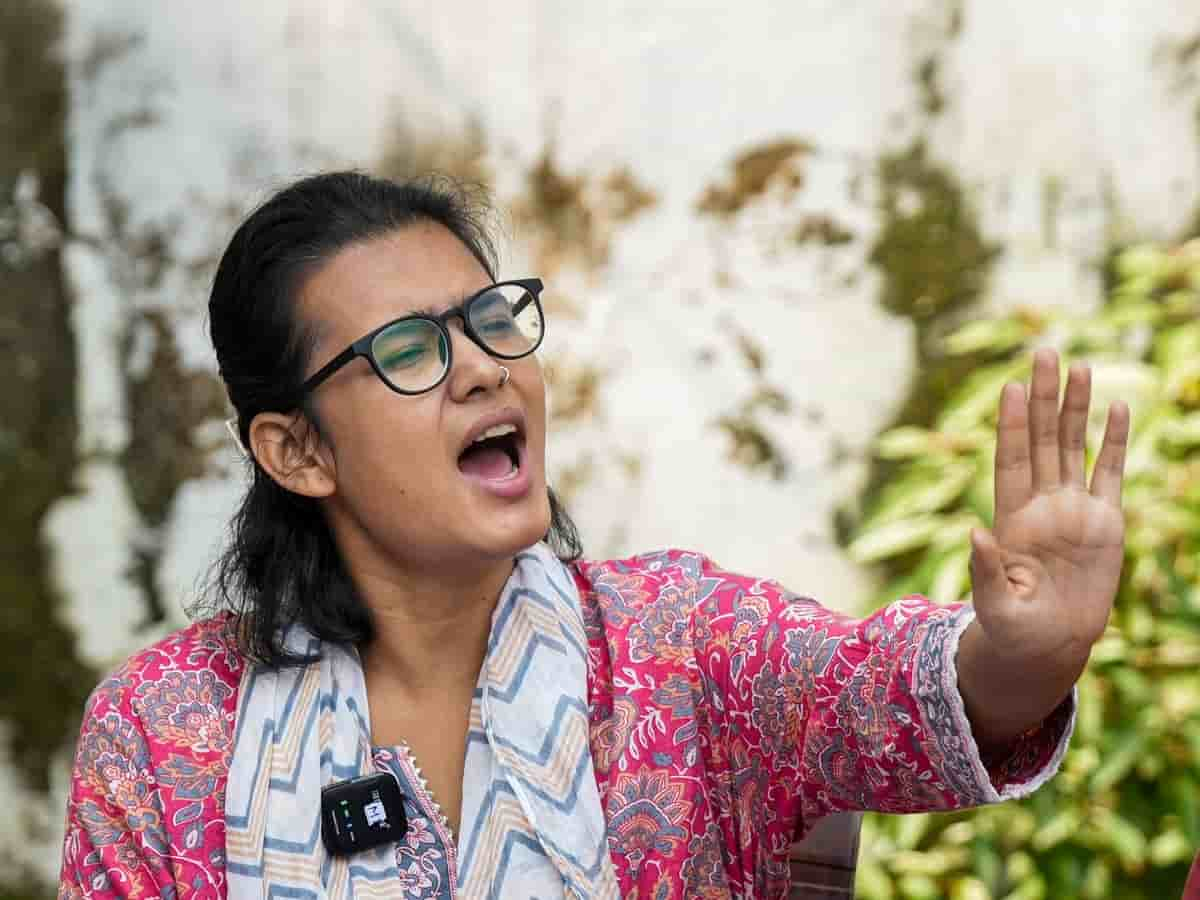
Known for his outspoken opinions on law, society, and governance, former Supreme Court Justice Markandey Katju has stirred a fresh controversy with candid remarks regarding student activism and ongoing youth demonstrations in the national capital. Speaking during an interview on the YouTube channel The Ever (Chill-Pill), the retired top court judge disclosed that he had personally attempted to reach out to All India Students’ Association (AISA) president Neha Bora to offer his counsel, only to receive no response on the other end of the line. Addressing viewers, Katju recounted: “A friend of mine who knows Neha Bora offered to share her WhatsApp contact with me. Initially, I thought she should be the one reaching out to me rather than the other way around. But putting my ego aside, I decided to call her. I called Neha Bora twice, but she didn’t even pick up the phone. Now tell me, how am I supposed to offer any advice or guidance?”
“If I Go to Jantar Mantar, They Might Beat Me Up”: Katju on Protesting Crowds
Addressing suggestions from followers that he should visit protest sites like Jantar Mantar in person to engage directly with young agitators, Katju voiced strong skepticism and concern about the nature of the crowds gathering on the ground. Reflecting on demonstrations linked to recent student mobilizations, the former judge remarked that he observed erratic and unruly behavior among factions at the venues. “People ask me to go to Jantar Mantar, but when she doesn’t even answer a phone call, what would happen if I went there? If I go to Jantar Mantar and tell them honestly that they are heading down the wrong path, they might beat me up,” Katju stated, adding that volatile agitations often leave little room for seasoned legal or constitutional counsel.
A Harsh Critique of Modern Youth and Administrative Aspirations
Taking his critique beyond the immediate protest leadership, Katju challenged the widely repeated notion that contemporary youth are naturally the vanguard of national progress. “Many people tell me that the youth are the future of this country, but I completely disagree with this view,” he asserted. In an unsparing assessment of student priorities, the retired jurist claimed that many student protestors are motivated by narrow self-interest rather than genuine civilizational or national concern. “I believe that a large section of Indian youth is entirely self-absorbed and lacks real devotion to the nation,” Katju said, arguing that many students active in college agitation circuits simply pivot toward preparing for civil service examinations like IAS and PCS the moment their degrees conclude, seeking comfortable government jobs while remaining detached from broader national transformation.
Background: Neha Bora and the Ongoing Legal Controversies in Delhi
Katju’s remarks arrive against the backdrop of heightened legal and political scrutiny surrounding Neha Bora’s public activities in New Delhi. The AISA leader has recently been at the center of intense courtroom scrutiny before the Delhi High Court over preventive peace-bond notices issued by law enforcement following student mobilization attempts. Concurrently, police complaints have been submitted against her regarding controversial statements touching upon religious communities. As debates over the boundaries of campus activism and street demonstrations continue to capture national attention, Katju’s sharp, direct intervention adds another provocative dimension to the discourse surrounding youth leadership and student politics.