North India Statesman
[ad_1]
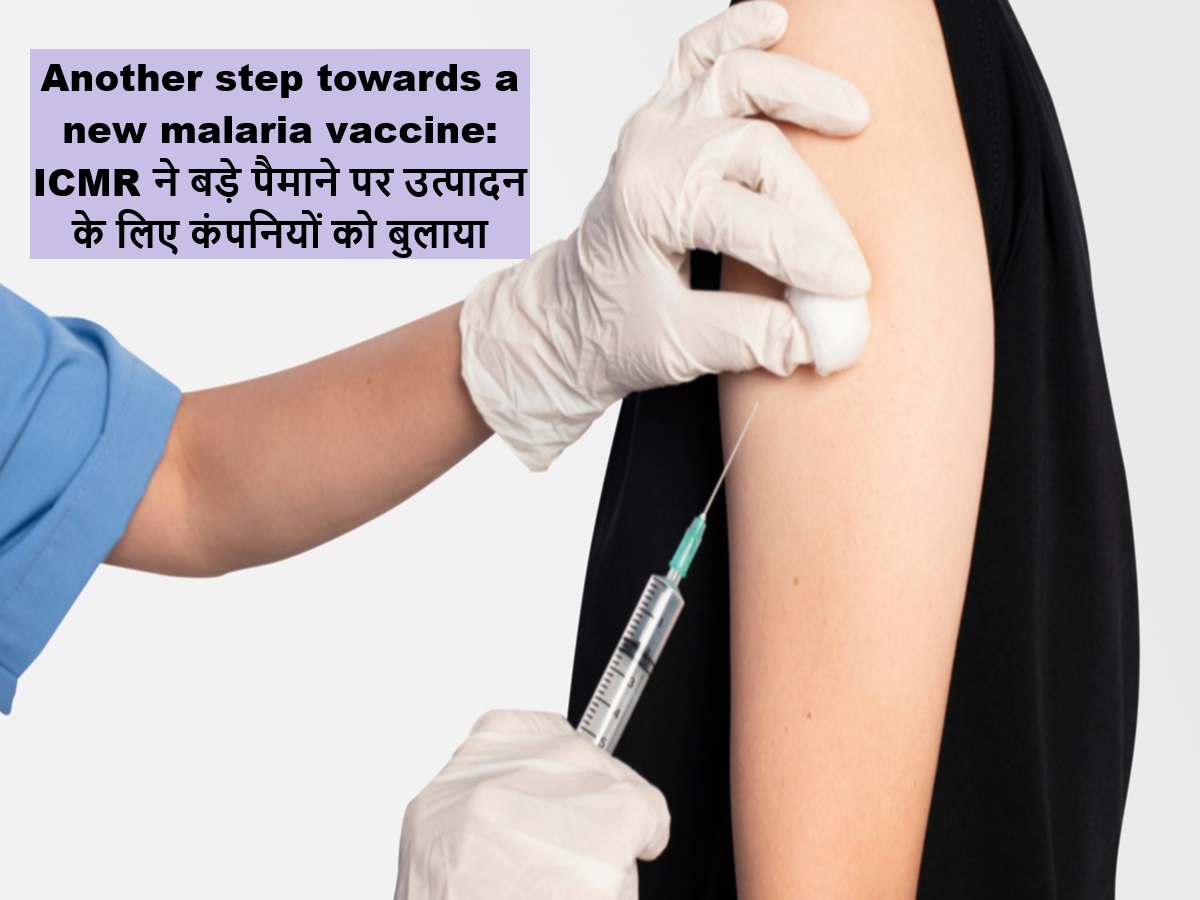
News India Live, Digital Desk: Another step towards a new malaria vaccine: Malaria, a serious disease that affects millions of people every year, especially in India. Our country has been trying for a long time to fight this. In this episode, the Indian Council of Medical Research (ICMR) has now taken a very important step. He has sought applications from companies and pharma industries to largely produce an advanced (advance) malaria vaccine and to bring it to the market commercially.
Which is this vaccine?
This vaccine is based on a malaria parasite called Plasmodium Falcipromum. This parasite causes the most serious and fatal cases of malaria worldwide. It is a ‘synthetic vaccine candidate’, that is, it is designed using a particular code (26 amino acid sequences) in the laboratory. This means that this vaccine has been artificially developed so that a strong immune response can be found against the parasites.
What has happened so far?
ICMR says that this vaccine has shown very good and encouraging results in the initial test (pregnant study) on animals. These initial tests suggest that the vaccine is safe and effective. This is a major success, because pre -prialing studies are an essential step before any vaccine testing on humans.
What will happen next?
After pregnancy success, now the real challenge is to test this vaccine on a large scale on humans and then produce it. Companies from whom ICMR has sought applications, it is expected that they will work:
ICMR will work on the “shared development” model for this project. This means that the ICMR vaccine will share its knowledge and patent rights with the selected company.
What is its importance to India and the world?
This step shows how far India is moving towards self -sufficiency in the health sector. Developing an indigenous and effective malaria vaccine can prove to be a game changer for the country. If this vaccine is successful, it will not only help achieve the target of 2030 to eliminate malaria in India, but can also provide an affordable and accessible solution to developing countries struggling with malaria globally.
This is the result of hard work of scientists and researchers in India and it strengthens the hope of malaria -free future.