North India Statesman
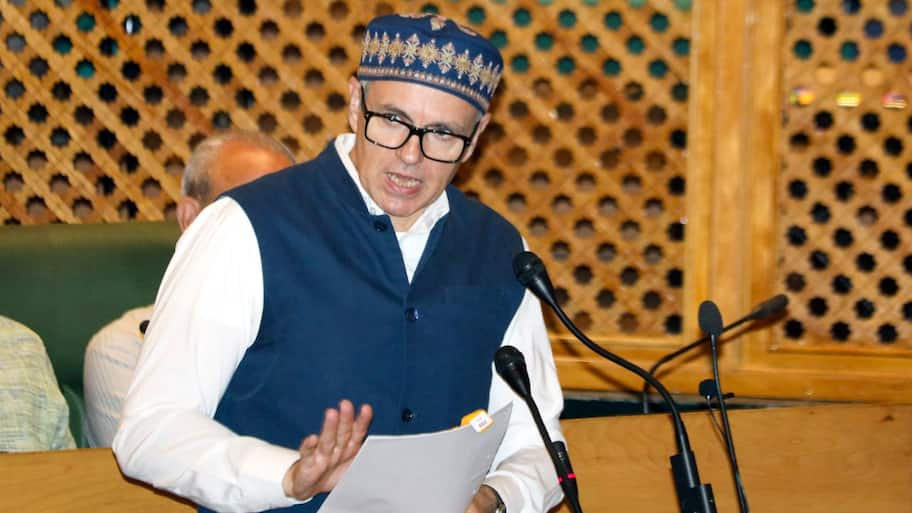
Jammu and Kashmir Chief Minister Omar Abdullah has voiced serious concern over the operational transparency and institutional credibility of the Election Commission of India (ECI), remarking that documented internal disagreements within the constitutional body suggest that “there is clearly something fishy” in administrative decision-making. Addressing the media in Srinagar, the National Conference (NC) leader referred to media reports indicating differences among members of the poll panel concerning the execution of the Special Intensive Revision (SIR) of electoral rolls, database administration, and software updates. Abdullah cautioned that when citizens begin questioning the neutrality and objectivity of electoral machinery, the essential foundation of popular democracy suffers systemic damage.
Reports of Written Dissents Inside Nirvachan Sadan
The Chief Minister’s remarks followed media disclosures reporting that written objections and reservations had been recorded internally on multiple occasions over a ten-month period regarding administrative procedures, statutory form modifications, and the handling of voter list additions and deletions under the nationwide Special Intensive Revision.
Reacting to the Election Commission’s subsequent statement—which characterized varying viewpoints among commissioners as a standard part of multi-member deliberations leading up to collective decisions—Abdullah observed that the public clarification did little to resolve wider apprehensions. He maintained that an autonomous constitutional body charged with guaranteeing free, fair, and transparent elections must operate with unambiguous administrative openness to sustain complete trust among political parties and voters nationwide.
Regional Delimitation Cited as Context for Procedural Concerns
Connecting the national discussion to past experiences within Jammu and Kashmir, Omar Abdullah noted that regional political outfits had previously voiced apprehensions regarding boundary redrawing and roll revisions during the delimitation exercise in the Union Territory. He remarked that local stakeholders had raised questions regarding procedural clarity, consultation timelines, and administrative transparency.
Abdullah asserted that recent reports of internal differences within the commission reinforce the need for robust institutional checks and balances. He stressed that administrative decisions regarding electoral rolls require broad consensus and rigorous field verification to ensure a level playing field for all political participants, warning that ignoring process transparency inevitably leads to long-term disputes over legitimacy.
Backing Rahul Gandhi: Impact of Unverified Voter Exclusions
Extending support to remarks made by Leader of the Opposition Rahul Gandhi, who has argued that unauthorized deletions from voter registers undermine constitutional safeguards, Abdullah highlighted the practical difficulties faced by citizens whose names are excluded from electoral registers without adequate notice.
The Chief Minister highlighted reports where individuals who discovered their names were absent from voter lists encountered downstream administrative complications, including hurdles during security clearances for routine identity documents such as passports. Abdullah argued that the right to vote represents a fundamental civic entitlement, adding that arbitrary exclusions create severe distress for affected citizens. He maintained that addressing roll discrepancies with utmost speed and procedural fairness is vital to preserving citizen confidence in administrative governance.
Preserving Institutional Independence and Voter Participation
Concluding his remarks, the Chief Minister underscored that voter engagement depends fundamentally on faith in the integrity of the ballot box. If doubts persist around roll maintenance, algorithmic tools, or field-level verification protocols, public participation and turnout could be adversely impacted over successive election cycles.
Abdullah called upon central authorities and constitutional bodies to prioritize procedural transparency by conducting rigorous constituency-level verifications, ensuring political agents receive full access to draft addition-and-deletion lists, and establishing prompt grievance redressal mechanisms to resolve citizen claims before upcoming polls.