North India Statesman
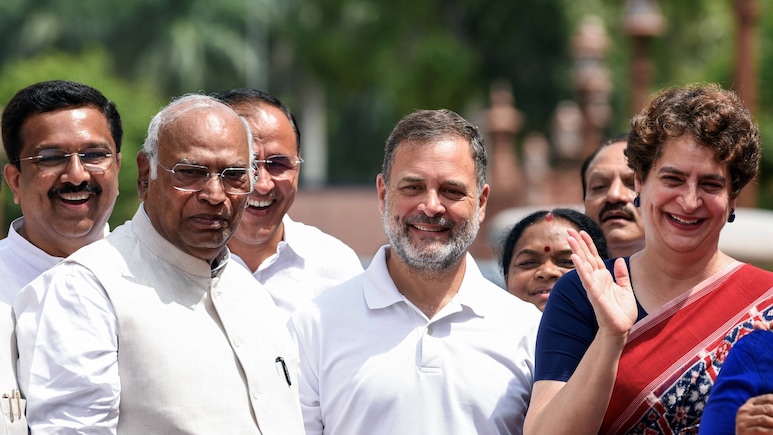
The political corridors of Uttar Pradesh are abuzz with intense activity as major opposition parties lay down their foundational roadmaps for the upcoming 2027 assembly elections. In a high-stakes move orchestrated by senior leadership, the Congress party has officially positioned Priyanka Gandhi Vadra at the center stage of its state strategy. Following exhaustive reviews and internal strategy sessions in New Delhi, the party has made it clear that rebuilding grassroots strength and grassroots organization must take absolute priority before sitting down for formal seat-sharing negotiations with Akhilesh Yadav’s Samajwadi Party. This dual-pronged approach—first fortifying the Congress ‘hand’ symbol across local booths and later aligning with the ‘bicycle’—marks a calculated tactical shift aimed at maximizing bargaining power and securing a formidable presence in the Hindi heartland.
Rebuilding the Organizational Root Structure From the Ground Up
Before diving into complex alliance mathematics, the central leadership under Rahul Gandhi and Priyanka Gandhi Vadra has emphasized that the party’s primary weakness in past electoral cycles stemmed from a lack of deep organizational roots at the booth level. During comprehensive planning sessions, leaders evaluated past setbacks and mapped out a targeted revival plan. Priyanka Gandhi has been tasked with overseeing the restructuring of key internal panels, including manifesto drafting units, campaign management cells, and specialized coordination committees. Furthermore, the leadership has initiated a rigorous vetting process to identify competitive candidates across approximately 100 to 115 core constituencies where the party historically held strong influence or possesses immediate growth potential. By focusing heavily on candidate selection months in advance, Congress aims to field candidates who can effectively challenge incumbent forces while staying true to core ideological values.
Navigating Alliance Dynamics and Seat-Sharing with Akhilesh Yadav
Once internal groundwork reaches an advanced stage, the focus will inevitably shift toward sealing a robust coalition framework with the Samajwadi Party (SP). However, balancing ambitions within the opposition bloc presents its own unique hurdles. Recent reports indicate that while the Congress party is keen on securing a substantial share of seats—reflecting its desire to contest strongly across a wider geographical footprint—the Samajwadi Party enters negotiations riding high on recent legislative council gains. Akhilesh Yadav’s camp has traditionally advocated for a leaner seat-sharing model that respects regional dominance, setting up meticulous backroom bargaining. Recognizing the sensitivity of these discussions, Priyanka Gandhi has strictly instructed state office-bearers and leaders to refrain from making reckless public statements that could disrupt cordial ties or derail mutual trust with their primary opposition ally.
Crafting a Unified Narrative to Counter the Ruling Establishment
To make a decisive dent in Uttar Pradesh’s deeply entrenched political landscape, the revived opposition coalition understands that organizational unity must be matched by a compelling narrative. Issues concerning youth unemployment, agrarian distress, administrative transparency, and social justice form the core pillars of the upcoming campaign blueprint. By organizing major regional rallies across Purvanchal, Bundelkhand, Awadh, and Western Uttar Pradesh, the party plans to bring local grievances to the forefront. The strategic collaboration between Rahul Gandhi’s pan-India messaging and Priyanka Gandhi’s ground-level organizational push is designed to galvanize party cadres, restore voter confidence, and project a credible, unified alternative for the citizens of India’s most populous state as the 2027 showdown draws closer.