North India Statesman
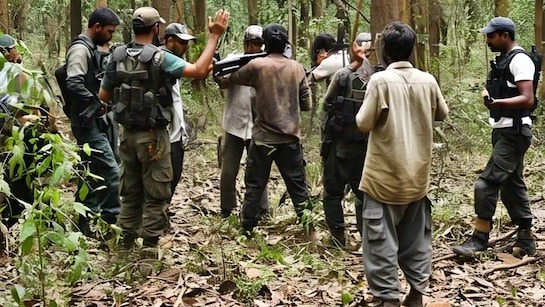
News India Live, Digital Desk: Bihar, which was once considered the main center of the country’s ‘Red Corridor’, has now completely come out of the dark shadow of Naxalism. Districts like Bhojpur, Gaya, Jehanabad and Rohtas, where once a parallel government of Naxalites was running, have now joined the mainstream of development.
1. There was maximum impact in these districts
The roots of Naxalism were very deep in many districts of Bihar. Sustained operations by security forces have liberated the following areas:
Bhojpur and Jehanabad: There is a long history of ethnic conflict and Naxalite violence here.
Gaya and Aurangabad: These hilly areas were considered ‘safe forts’ of the Naxalites (like Chhakarbandha and Lutua forests).
Jamui and Rohtas: Due to its proximity to the border of Jharkhand, the movement of Naxalites was maximum here.
2. How did you achieve this big victory? (Operation ‘Double Bull’ & Others)
The joint strategy of security forces and Bihar Police broke the back of Naxalites:
Deploying security forces: CRPF, CoBRA battalions and Bihar Police created new ‘forward bases’ in difficult areas.
Operation Double Bull: This operation conducted in recent years eliminated Naxalites from the hilly areas of Aurangabad and Gaya.
Surrender Policy: Due to the government’s ‘surrender and rehabilitation’ policy, many highly rewarded Naxalites laid down their arms.
3. Development became the biggest weapon
This war was won not only through bullets, but also through development:
Roads and electricity: The information system of Naxalites became weak due to the availability of paved roads and electricity to Naxal affected villages.
Education and Employment: Emphasis was laid on skill development and education to connect the youth with the mainstream, so that they do not fall prey to the ‘red terror’.
Now what next?
Although Bihar is now considered Naxal free, but security agencies are still ‘Sleeper Sales’ And vigil is being maintained in the border areas so that these elements do not raise their heads again. Chief Minister Nitish Kumar has described it as the ‘second independence’ of Bihar, which will open new doors for investment and tourism in the state.