North India Statesman
[ad_1]
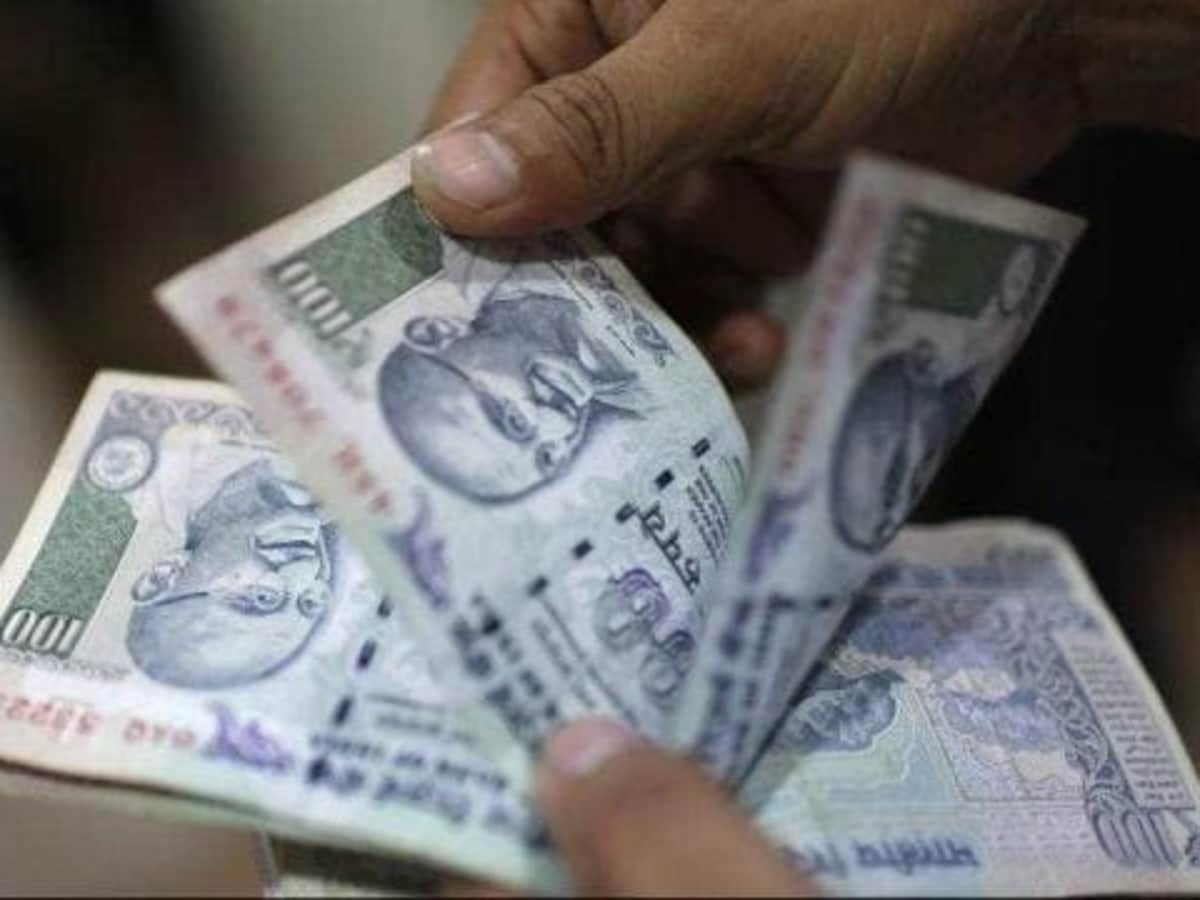
On the first day of the week, the Indian rupee fell 27 paise to a new all-time low of 86.31 against the US dollar. This is a sign of decline for the second consecutive trading day. The impact of this fall of rupee will be visible from the pockets of the common man to the economy of the country.
Everyday items will become expensive
India imports many essential commodities. The weakness of the rupee has a direct impact on the prices of these commodities.
Impact on your pocket:
- Edible Oils and Pulses:
- India imports edible oils and pulses in large quantities.
- Due to the weakness of the rupee, their prices will increase, which may disturb the kitchen budget.
- Crude Oil:
- Prices of petrol and diesel may increase due to the cost of crude oil.
- Foreign education and travel:
- Studying and traveling abroad will now become more expensive.
- Electronic goods and jewelry:
- The prices of computers, laptops, mobile phones and gold will increase.
- Fertilizers and Chemicals:
- The prices of fertilizers used in agriculture will increase, which will increase the cost of farming.
Why did the rupee fall?
Main reasons:
- Strong US Dollar:
- Better US employment growth data strengthened the dollar.
- The US Federal Reserve is less likely to slow interest rates.
- Rise in crude oil prices:
- Pressure on the rupee increased due to increase in crude oil prices in the global market.
- Flow of foreign capital:
- Foreign investors withdrew capital from the Indian market and invested in dollars.
- Weakness in domestic market:
- Negative trend in Indian equity markets also weakened the rupee.
Currency Exchange Analysis
- The rupee had closed at 86.04 on Friday.
- It opened at 86.12 on Monday and fell to a historic low of 86.31 in early trade.
Which areas suffered the most damage?
- Crude Oil:
- Weakness of rupee will increase the import bill, which will affect fuel prices.
- Electronics and Capital Goods:
- Expensive imports will increase prices of electronic equipment and machinery.
- Fertilizers and Chemicals:
- India’s agricultural sector is dependent on import of fertilizers. Their costs will increase.
- Gems and Jewellery:
- The prices of jewelery and precious stones will increase.
What to do for the common man?
- Increase household savings:
- Try to reduce consumption of imported goods.
- Use of local products:
- Give preference to locally manufactured goods.
- Fuel Saving:
- Use public transport to reduce fuel costs.