North India Statesman
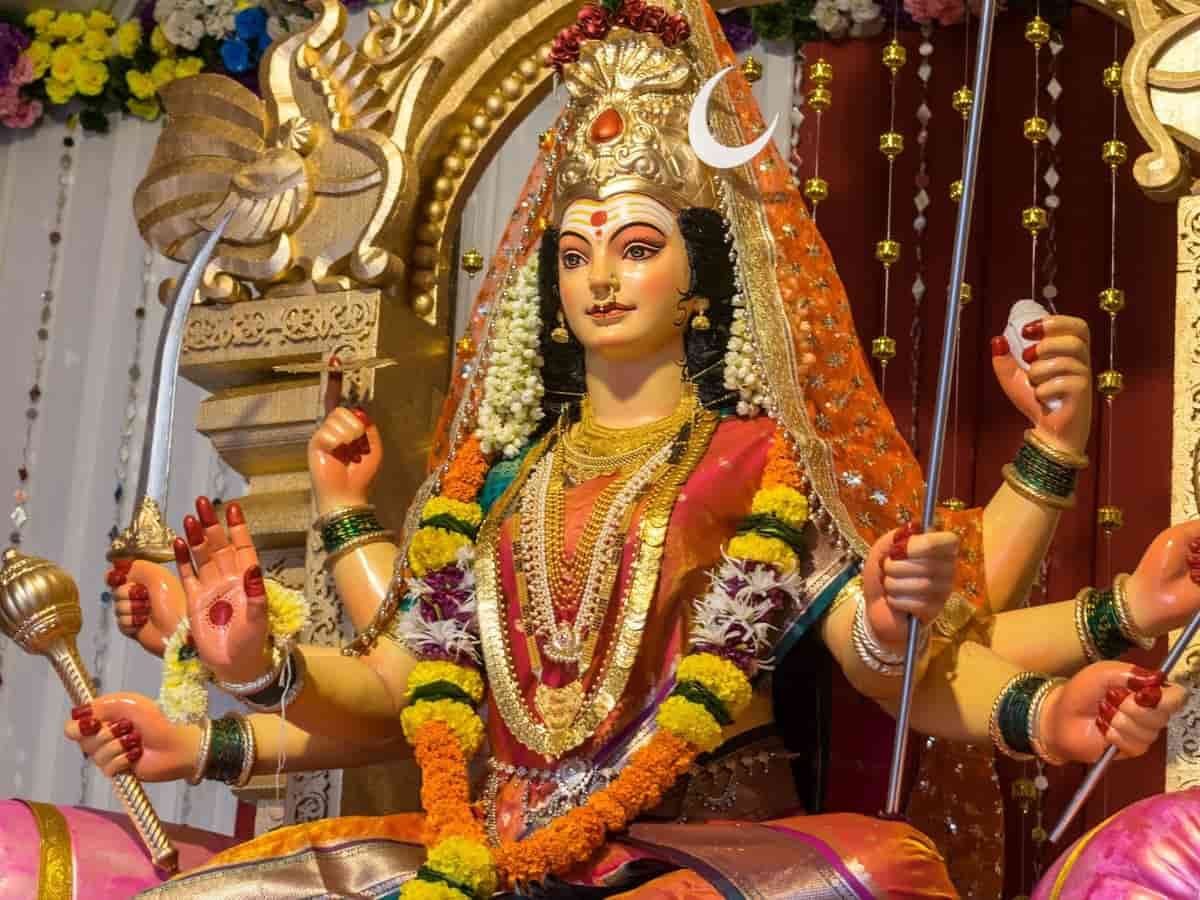
The holy festival of Sharadiya Navratri begins on October 11, 2026, marking the commencement of nine days dedicated to the worship, penance, and celebration of Maa Durga. Across India, millions of devotees prepare to observe strict fasts, perform early-morning invocations, and establish the sacred Kalash in homes and public pandals. The divine festival concludes with Maha Navami on October 19, followed by the grand celebration of Vijayadashami, or Dussehra, on October 20.
Astrological calculations indicate that the Pratipada tithi of Ashwin Shukla Paksha initiates around 9:19 PM on October 10 and remains in effect until approximately 9:30 PM on October 11. Following the established Vedic norm of Udaya Tithi—where a date is determined by the sunrise—October 11 stands as the official first day of Navratri across all Indian standard calendars.
Sacred Significance Of Ghatasthapana And Auspicious Invocations
Ghatasthapana on the opening day carries supreme spiritual weight, laying the energetic foundation for the nine-day ritual cycle. Following the installation of the Kalash, devotees commence the worship of Maa Shailputri, the daughter of the Himalayas and the first manifestation of Adi Shakti.
Because exact muhurat timings differ slightly across cities based on local sunrise calculations, devotees are encouraged to consult local panchang timings for their exact municipal coordinates.
The ceremonial establishment requires creating a sanctified earthen altar upon which pure barley seeds (jau) are sown. A bronze, brass, or copper pot filled with sacred water, betel nuts, and coins is placed at the center, decorated with five fresh mango or Ashoka leaves, and crowned with a red-wrapped coconut. Alongside the Kalash, devotees light the Akhand Jyoti (eternal flame), which is kept continuously burning throughout the nine-day period to invite divine radiance and dispel domestic negativity.
Day-Wise 2026 Navratri Worship Calendar: The Nine Forms Of Maa Durga
Each day of Navratri is devoted to a distinct incarnation of the goddess, channelizing specific spiritual strengths, mental peace, and prosperity:
-
October 11 – Maa Shailputri (Day 1): The initial day honors the primary form of Mother Nature, embodying steadfast devotion, stability, and supreme determination.
-
October 12 – Maa Brahmacharini (Day 2): Devotees worship the ascetic form, focusing on rigorous penance, spiritual knowledge, detachment, and emotional restraint.
-
October 13 – Maa Chandraghanta (Day 3): Revered for courage, fearlessness, and vigilance, this bell-adorned manifestation safeguards homes against adverse planetary energies.
-
October 14 – Maa Kushmanda (Day 4): Celebrated as the cosmic creator who produced the universe with a radiant smile, she is invoked for health, vitality, and wealth.
-
October 15 – Maa Skandamata (Day 5): The divine mother of Lord Kartikeya (Skanda) blesses devotees with unconditional maternal protection, prosperity, and peace.
-
October 16 – Maa Katyayani (Day 6): Invoked as the warrior goddess who destroyed demon Mahishasura’s commanders, she grants victory over external and internal hurdles.
-
October 17 – Maa Kalaratri (Day 7): Recognized as the fiercest manifestation of the divine mother, she eliminates ignorance, negative attachments, and unseen dark energies.
-
October 18 – Maa Mahagauri (Day 8): Representing pure luminosity and spiritual purification, her worship cleanses deep karmic impressions and restores domestic peace.
-
October 19 – Maa Siddhidatri (Day 9): The provider of supernatural attainments (siddhis) and fulfillment, concluding the Navdurga journey on the grand occasion of Maha Navami.
Ashtami And Maha Navami 2026: Kanya Pujan And Havan Timings
The transition between Ashtami and Navami marks the spiritual summit of Sharadiya Navratri. This year, Durga Ashtami falls on October 18, when devotees worship Maa Mahagauri. In thousands of households, this day is earmarked for the sacred Kanya Pujan, where young girls—revered as living embodiments of the goddess—are invited, their feet washed, and fed traditional offerings of halwa, puri, and black gram (chana). Families also organize the holy Havan on this day to seek divine intercession.
Maha Navami will be observed on October 19 with the worship of Maa Siddhidatri. Many devotees who maintain nine consecutive days of fasting conclude their austerities on Navami afternoon following the completion of Kanya Pujan, Navami Havan, and charity distributions. However, specific dietary rules for opening the fast vary across regions and family traditions, with some waiting until sunrise on Dashami.
Vijayadashami 2026: Triumph Over Evil And Durga Visarjan
Immediately trailing Maha Navami, Vijayadashami, or Dussehra, will be celebrated on October 20, 2026. This day combines two monumental legends: Lord Rama’s annihilation of the demon king Ravana in the epic Ramayana, and Maa Durga’s definitive victory over Mahishasura after an intense nine-day cosmic battle.
Communities across the country will gather in the evening for the traditional burning of massive effigies of Ravana, Kumbhakarna, and Meghnad, reinforcing the timeless truth that righteousness permanently overcomes evil. For eastern states and Bengali communities, this day marks the emotional ceremony of Durga Visarjan, where beautifully crafted clay idols are immersed in rivers and seas amidst prayers for the Mother’s swift return the following year.
Essential Vrat Rules, Prayers, And Fasting Guidelines
Devotees observe the festival with disciplined bodily and spiritual practices. The daily routine begins with an early morning bath, cleansing the puja space, and lighting a pure ghee or sesame oil diya. Fresh offerings of flowers, bilva patra, seasonal fruits, and sattvic naivedya are presented to the deity.
Fasting regimens are tailored to individual endurance. While certain devotees observe a rigorous fruit-only or milk diet (phalahar) and strictly avoid all forms of cereal grains, others fast selectively on the opening Pratipada and concluding Ashtami or Navami. Salt consumption is traditionally restricted to rock salt (Sendha Namak). Reciting sacred texts such as the Durga Saptashati, Devi Kavach, Durga Chalisa, and chanting the powerful Navarna Mantra (“Om Aim Hreem Kleem Chamundayai Vichche”) generates elevated vibrations, clarity of thought, and spiritual endurance throughout the festive season.