North India Statesman
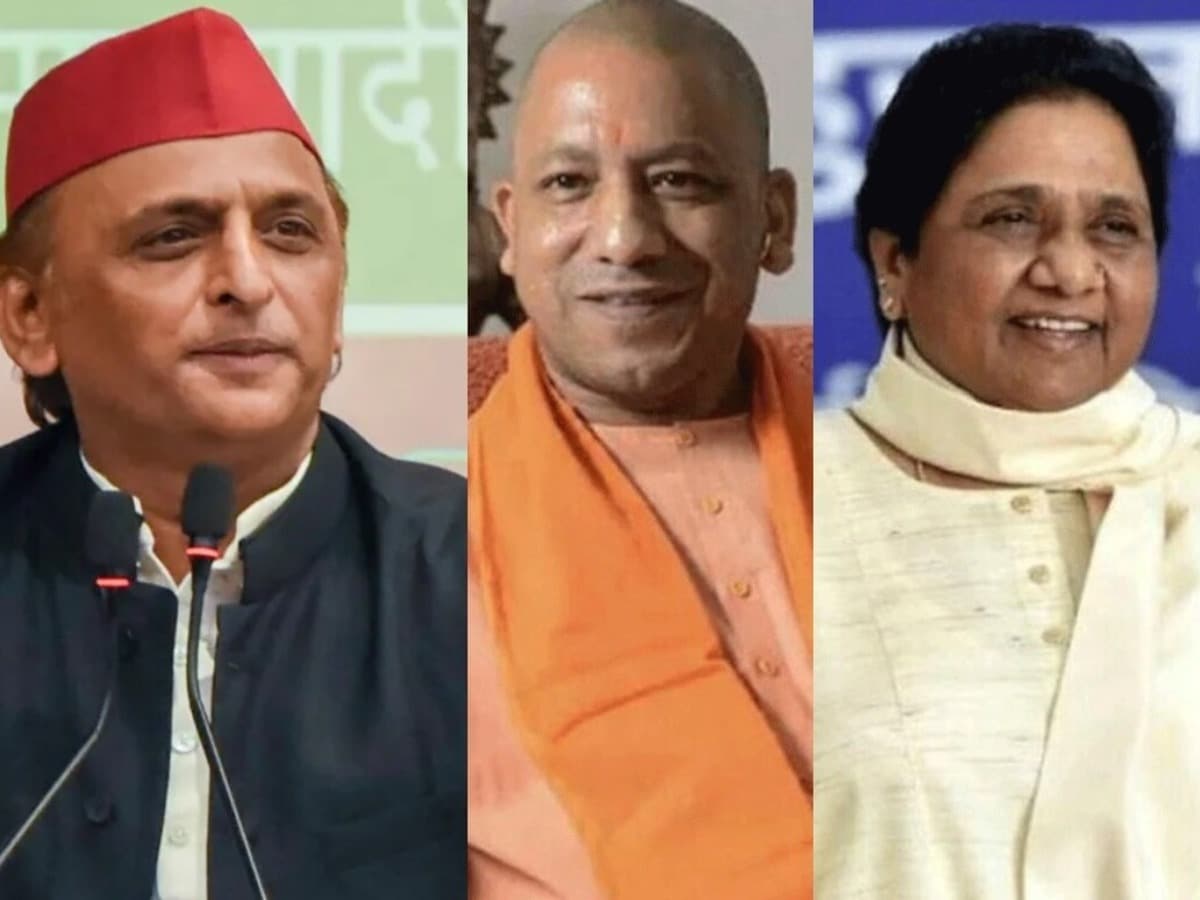
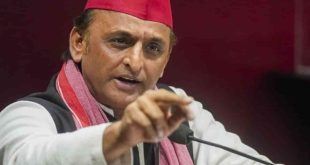
Samajwadi Party chief Akhilesh Yadav has stirred the political waters across Uttar Pradesh by declaring that he will not contest the upcoming 2027 UP Assembly elections and will directly take the oath as Chief Minister. Addressing reporters in Varanasi, Yadav remarked that he takes the Chief Minister’s oath when he does not contest elections and intends to stick to what has proven “auspicious” for him.
While rivals have brushed off the remark as superstition or political theatrics, Uttar Pradesh’s electoral history reveals that bypassing the Vidhan Sabha contest to assume executive power has long been a proven tactical playbook for the state’s biggest leaders.
Historical Precedent: The Long Line of UP Leaders Who Avoided the Assembly Route
Uttar Pradesh has a well-established history of Chief Ministers taking charge through the Upper House (Vidhan Parishad) or transitioning directly from Parliament rather than contesting general assembly elections:
-
Mulayam Singh Yadav (1989): When the Samajwadi Party founder first took oath as Chief Minister, he did not enter the chair as an elected MLA and navigated his mandate through the legislative council route.
-
Mayawati (2007): Leading the Bahujan Samaj Party to a historic single-party majority, Mayawati did not contest the assembly polls; she spearheaded the statewide campaign and subsequently entered the legislature through the Legislative Council.
-
Akhilesh Yadav (2012): When the SP stormed to power with an absolute majority, Akhilesh Yadav was a sitting Member of Parliament from Kannauj. He took oath as CM without contesting the assembly election and later became a Member of the Legislative Council (MLC).
-
Yogi Adityanath (2017): When the BJP registered a sweeping mandate, Yogi Adityanath was serving as the Lok Sabha MP from Gorakhpur. He assumed the Chief Minister’s office without contesting the 2017 assembly election, later taking the MLC route for his first term before eventually contesting from Gorakhpur Urban in 2022.
Strategy or Superstition: Breaking Down the Rationale Behind the Announcement
The political motivations behind Akhilesh Yadav’s calculated announcement point to several layered objectives:
-
Statewide Campaign Mobility: When a party supremo contests an individual seat, local campaign commitments and micro-management inevitably pin down resources and attention. By staying unanchored, Yadav frees himself to act as a 24/7 star campaigner across all 403 constituencies.
-
Retaining Federal Leverage in New Delhi: Currently serving as the Member of Parliament from Kannauj, retaining his Lok Sabha seat allows Yadav to remain an active national face within the INDIA bloc in Parliament, keeping both state and central political channels fully open.
-
Psychological Framing of Victory: Presenting the Chief Minister’s chair as a foregone conclusion projects high self-confidence to grassroot party cadres, aimed at creating momentum and discouraging dissension among allies.
-
The “Lucky Charm” Narrative: By cheekily framing the move around past patterns and luck (“what is auspicious”), Yadav disarms opposition taunts about running away from a direct fight, turning a potential vulnerability into a talking point.
Political Fallout and Opposition Blowback
The remarks have drawn sharp responses from ruling National Democratic Alliance (NDA) constituents, who argue that the declaration reflects a reluctance to face the public in a direct assembly contest. Rivals have labeled the posture as overconfidence, contending that relying on past trends cannot substitute for hard constituency-level accountability.
Nonetheless, with the 2027 assembly battle taking shape, Akhilesh Yadav’s declaration ensures that the debate remains centered on his leadership and personal bid for the top post, reigniting UP’s historic pattern where party supremos prefer commanding the entire state battlefield over guarding a single constituency.