North India Statesman
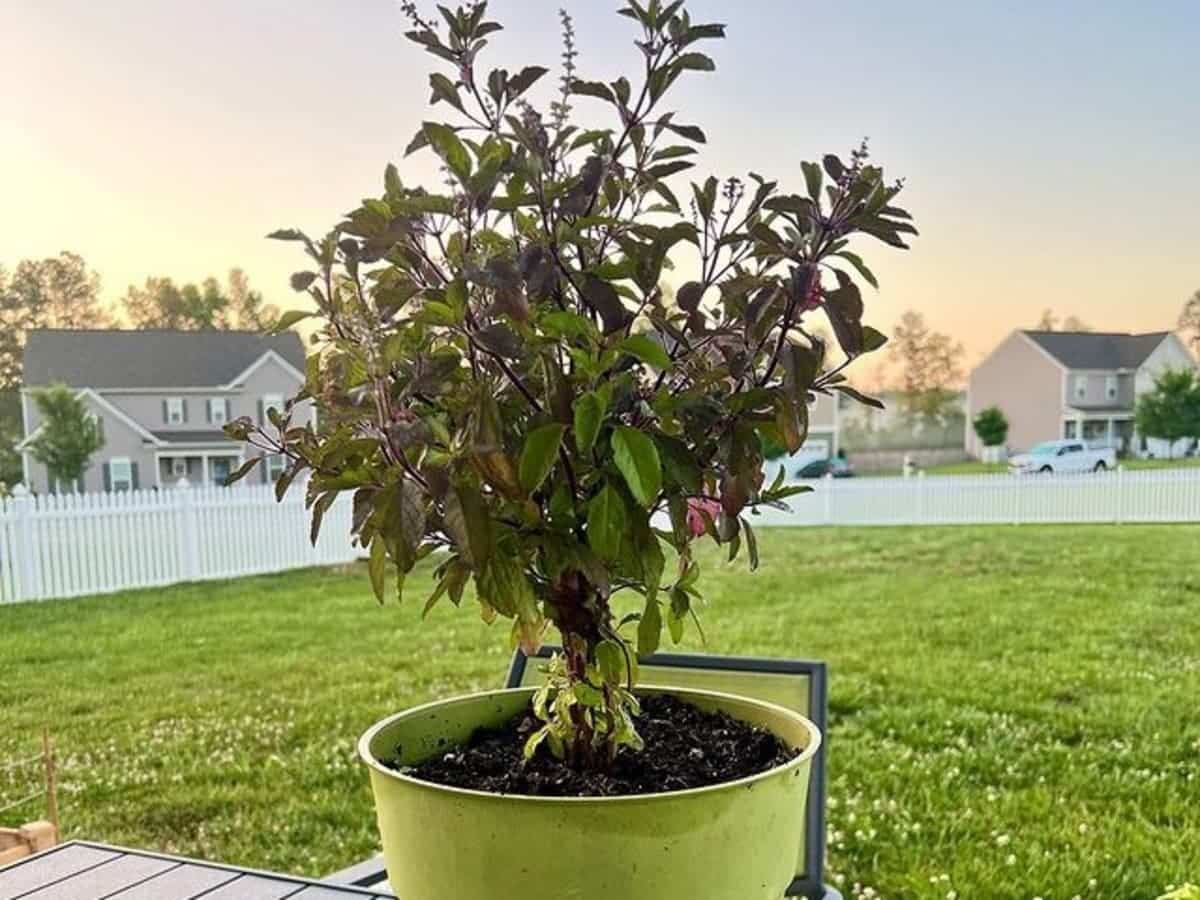
In Indian households and ancient Vedic traditions, the holy Tulsi plant, also known as Vrinda, holds an exalted spiritual position as the living embodiment of Goddess Lakshmi, the deity of wealth, fortune, and prosperity. Across regions from Varanasi and Haridwar to bustling urban homes in Delhi, Lucknow, and Mumbai, morning worship of Tulsi is deeply woven into daily lifestyle practices. When sudden monetary distress, stagnant earnings, unexpected expenditures, or lingering debts disrupt household peace, traditional Vedic astrology and Vastu Shastra emphasize reviving one’s daily devotion to Tulsi. Offering fresh water to Tulsi at dawn is believed to cleanse negative vibrations, invite cosmic vitality, and open stagnant channels of abundance.
The Potent Mantra to Chant While Offering Water to Tulsi
Performing the daily ritual with clear mental focus and Vedic chanting magnifies spiritual energy, creating alignment between devotion and positive results. While offering clean water from a copper vessel to the roots of the holy plant, devotees should softly and reverently chant the sacred Vrinda Gayatri Mantra: “Mahaprasada Janani, Sarva Saubhagya Vardhini, Aadhi Vyadhi Hara Nityam, Tulasi Tvam Namostute.” Additionally, one can recite the primary manifestation chant: “Om Shreem Tulasyai Namaha” or “Om Namo Bhagavate Vasudevaya”. Chanting these sacred vibrations while the water flows gently activates positive spiritual energy, pacifies planetary afflictions, and invokes divine grace to alleviate long-standing financial hurdles.
Step-by-Step Morning Ritual for Attracting Wealth and Positivity
To maximize the positive effects of this sacred practice, purity of body, mind, and surrounding environment is essential. Wake up during Brahma Muhurta or shortly after sunrise, bathe, and wear fresh, clean clothes before initiating worship. Take pure water in a copper or brass kalash, add a drop of Ganga jal or a few grains of raw rice (akshat) and a pinch of turmeric if available, and walk barefoot toward the plant. Facing East—the direction of renewal and rising energy—pour the water slowly over the base while silently or softly chanting the mantra. Avoid touching the plant unnecessarily, and take care never to overwater the soil. Conclude the morning ritual by circumambulating (parikrama) the plant clockwise three times while offering salutations to Lord Vishnu and Goddess Lakshmi.
Critical Vastu and Astrological Guidelines You Must Observe
Ancient texts specify precise rules to ensure that the ritual brings peace and fortune rather than unintended negativity. According to established Hindu traditions, water should never be offered to Tulsi on Sundays, during solar or lunar eclipses, or on Ekadashi dates, as Mother Tulsi is believed to observe Nirjala fasts for Lord Vishnu on these days. Ensure the holy basil plant is placed strictly in the North, East, or North-East corner of the courtyard, balcony, or rooftop to activate wealth-generating Vastu directions. In the evening, lighting a pure cow ghee diya or sesame oil lamp near the base removes stagnant financial obstacles, shields the family from harmful planetary influences, and restores enduring prosperity.