North India Statesman
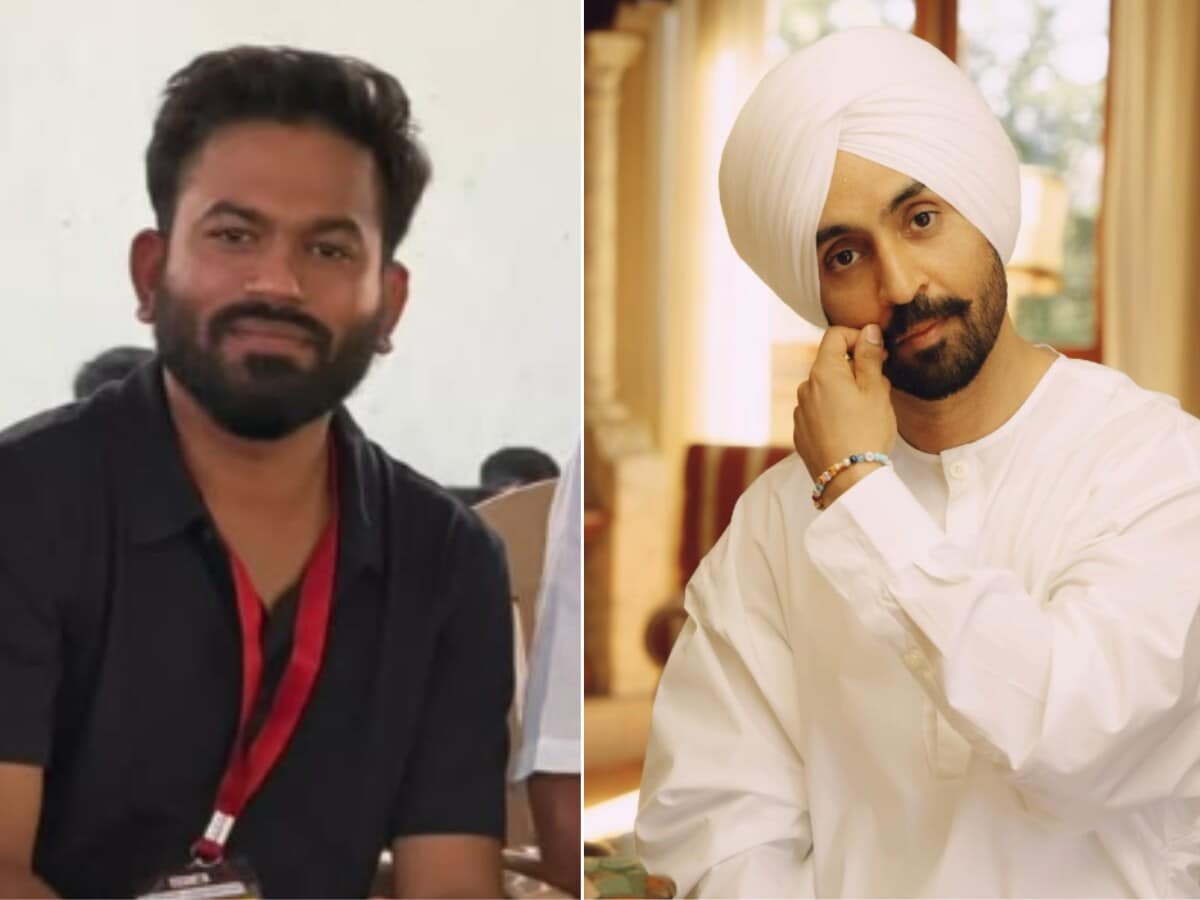
The electrifying aftermath of global Punjabi sensation Diljit Dosanjh’s record-shattering concert at New Delhi’s Jawaharlal Nehru (JLN) Stadium has taken an unexpected, conciliatory turn. Just hours after the singer-actor delivered an impassioned, unfiltered rebuttal on stage defending his artistic choices and warning detractors not to lecture Punjabis on how to fight, Cockroach Janata Party (CJP) founder and youth activist Abhijeet Dipke has publicly retracted his combative tone. Taking to social media with an extensive open letter, Dipke acknowledged the hurt caused by their earlier public spat, extended an unreserved apology, and asked the international icon to forgive him like a younger brother. The sudden de-escalation has captured the attention of millions across Delhi-NCR, Punjab, and the global diaspora, highlighting the intense friction that often erupts at the intersection of celebrity influence, political agitations, and grassroots student movements in modern India.
The Jantar Mantar Genesis: How the ‘I’m an Artist, Bro’ Remark Ignited Outrage
To comprehend the emotional weight of this sudden truce, one must revisit the turbulent events of June and July earlier this year. Tens of thousands of distressed students and youth activists, spearheaded by groups like the CJP, had gathered at the historic protest hub of Jantar Mantar in New Delhi to demand systemic accountability and judicial transparency regarding the contentious NEET paper leak controversy. Amid rising public tensions and heavy barricading across the national capital, Diljit hosted an interactive Instagram Live session, where a viewer questioned whether the singer would show up in solidarity with the protesting youth. Having previously earned widespread admiration across rural and urban circles for his proactive presence and financial contributions during the 2020 farmers’ agitation, expectations were soaring. However, Diljit chose to establish a clear boundary, remarking that he was an artist rather than a politician, urging people to keep him out of factional protests, and reciting verses from the Guru Granth Sahib about the inherent suffering of worldly affairs. While the pop star intended to preserve artistic neutrality, several student leaders interpreted his reaction as a calculated evasion, prompting Dipke to publicly mock Diljit when fellow Punjabi vocalist Kaka arrived at Jantar Mantar to support the agitating crowds.
The Pain Behind ‘Satluj’: Why Mocking the Jaswant Singh Khalra Biopic Struck a Nerve
The discord worsened considerably when critics began taking public potshots at Diljit’s cinematic struggles, specifically targeting his biographical project on the legendary human rights activist Jaswant Singh Khalra. Known during various stages of development as Ghallughara, Punjab ’95, and ultimately Satluj, the film chronicled Khalra’s dangerous real-life investigations into the disappearances, custodial detentions, and illegal cremations of thousands of youth in Punjab through the turbulent 1980s and 1990s. The project had been caught in an agonizing, years-long censorship impasse with the Central Board of Film Certification (CBFC), where the filmmakers tenaciously contested dozens of mandated modifications to protect the movie’s historical integrity. Even after securing a fleeting premiere on an OTT platform, the production was abruptly pulled within forty-eight hours under regulatory orders. For Diljit and his collaborators, Satluj was an act of profound cultural preservation and historical testimony, not a casual commercial venture. Hearing political commentators treat the suppressed film as punchlines during political rallies inflicted deep personal wounds that the artist quietly carried until his return to the Indian stage.
Roar at JLN Stadium: How Diljit’s Fiery Warning Changed the Atmosphere in Delhi
That pent-up frustration finally exploded under the stadium floodlights on Friday night as Diljit launched his historic Aura India Tour before nearly 70,000 cheering fans at Delhi’s JLN Stadium. Halting his high-octane musical lineup mid-set, the singer directly addressed the audience, confronting the accusations of political cowardice head-on without uttering a single name. “I love all of you because I am an artist, bro. I am being quiet, so let me stay quiet,” he stated forcefully into the microphone. His voice grew heavier as he addressed the mockery of Satluj: “The film you are making fun of on stage, Jaswant Singh Khalra’s film—we fought for that film for a long time. I love all of you. If someone hates us, it’s okay. But I love all of you. Just don’t teach Punjabis how to fight.” The thunderous statement reverberated across the stadium, prompting immediate cheers from the sea of spectators and instantly trending across X (formerly Twitter), Instagram, and national television bulletins.
‘Chhota Bhai Samajh Ke Mitti Pao’: Inside Abhijeet Dipke’s Emotional Public Apology
Faced with Diljit’s raw, heartfelt reprimand delivered before the nation, Abhijeet Dipke chose humility over further confrontation. Present among the tens of thousands in the audience at the Delhi venue, Dipke took to his Instagram handle early Saturday morning to post a heartfelt open letter addressed directly to the singer. In his statement, Dipke explained that his initial bitterness in June stemmed not from personal malice, but from the immense admiration he had always harbored for Diljit as a fearless voice of justice. He revealed that he had even traveled to Chicago in May to attend the singer’s international tour right before returning to India, solely out of profound respect for Diljit’s courage, artistic authenticity, and ability to take Indian culture to global arenas like Coachella while staying deeply grounded in his roots. Acknowledging that his earlier barbs regarding Satluj had crossed an ethical line, Dipke wrote: “One disagreement or misunderstanding doesn’t change the respect and admiration I have for you. Baaki paaji, chhota bhai samajh ke mitti pao.” Concluding his message with lyrics from Diljit’s celebrated track—”Gabru ta vairi nu vi mitha bolda, ni tu ta ferr jatt da pyar goriye”—the activist signaled an earnest desire to bury the hatchet permanently.
Reconciling Art and Activism: What This Truce Reveals About Celebrity Accountability
The peaceful resolution between Diljit Dosanjh and Abhijeet Dipke provides a compelling window into the volatile expectations placed on modern public figures. In an era of non-stop digital scrutiny and polarized public discourse, cultural icons are increasingly demanded to function as 24/7 political mouthpieces, often ignoring the immense systemic, commercial, and legal constraints under which independent artists operate. Diljit’s firm stand at JLN Stadium reasserted the artist’s fundamental prerogative to choose their battles and express resistance through their work rather than on-demand street politics. Simultaneously, Dipke’s mature willingness to step back, apologize on a public platform, and prioritize mutual respect over petty factional ego demonstrates how civil discourse can be restored even after intense public spats. As the Aura India Tour moves across subsequent stops in Indore, Chandigarh, and Mumbai, this dramatic reconciliation serves as a timely reminder that while opinions may clash, genuine artistic legacy and cultural brotherhood hold the enduring power to rise above political friction.