 North India Statesman
[ad_1]
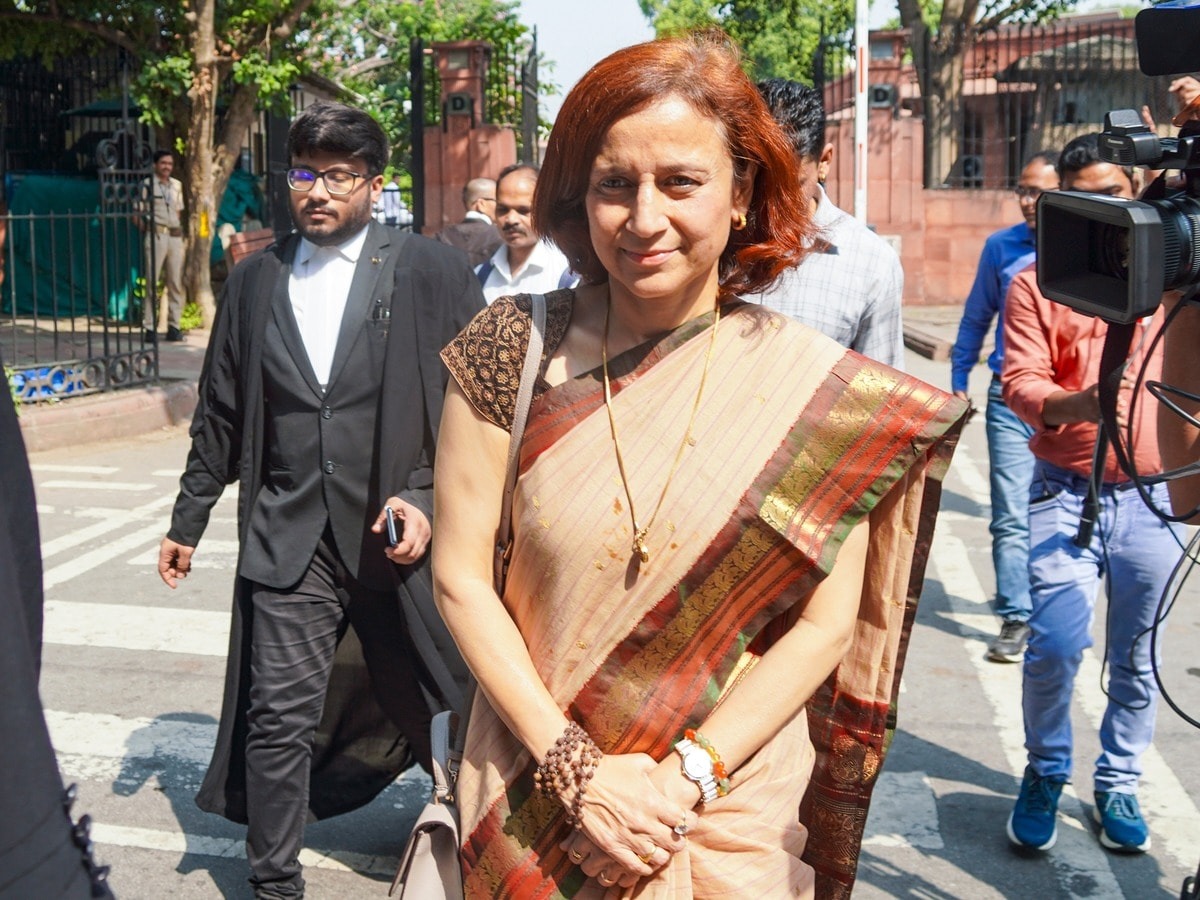
News India Live, Digital Desk: Environmentalist and educationist Sonam Wangchuk, who recently ended her climate fast for Ladakh’s constitutional status and environment protection, is now in the news again. This time the issue is related to his wife Gitanjali Angmo, who has expressed her desire to make changes in a petition filed in support of her husband’s demands. The Supreme Court has also shown keen interest in this matter and asked why there is a need to amend the petition now? This case can bring a new turn in the fight for ‘constitutional rights of Ladakh’ and ‘environmental protection’.
Why is there a need to change the petition? Supreme Court question!
During Sonam Wangchuk’s fast, his wife Gitanjali Angmo had filed a petition in the Supreme Court, demanding the inclusion of Ladakh in the Sixth Schedule of the Constitution and ‘environmental protection’ of the region. Besides, it also talked about ‘protecting the rights’ of her husband. Now, Wangchuk has ended his fast, but Gitanjali Angmo has requested for some amendments in her petition.
Commenting on this, the Supreme Court said, “He is already healthy, his fundamental rights have been upheld and his talks with the Central Government are also going on. In such a situation, what is the justification for changing the petition?” The court wants to know what new elements are felt to be included in the petition at this stage, after the fast is over and talks are ongoing. On this, Geetanjali’s lawyer argued that Wangchuk’s fast has been suspended due to health reasons and he will not withdraw his demands.
Sixth Schedule and Battle of Ladakh (Sonam Wangchuk’s demands):
The main demands of Sonam Wangchuk and the people of Ladakh are to give the region special status under the Sixth Schedule of the Constitution, to provide a state assembly, and to enforce ‘stringent environmental laws’ to protect local resources (especially glaciers and nature). Wangchuk had attempted to draw national and international attention to the issue through his fast. The ‘significance of the Sixth Schedule’ for Ladakh gives the local population greater control over their resources and identity.
This matter is not limited to just ‘Sonam Wangchuk’s petition’, but it is related to the ‘constitutional status of Ladakh’ and ‘the future of the people there’ after becoming a Union Territory. The Supreme Court continues to keep a close watch on this matter and the Court wants to ensure that all procedures are duly followed and the basic objective of the petition is effectively accomplished. In the coming time, it has to be seen what is the stand of the Supreme Court on the amended petition of Gitanjali Angmo and in what direction it takes the fight for the ‘future of Ladakh’.


