North India Statesman
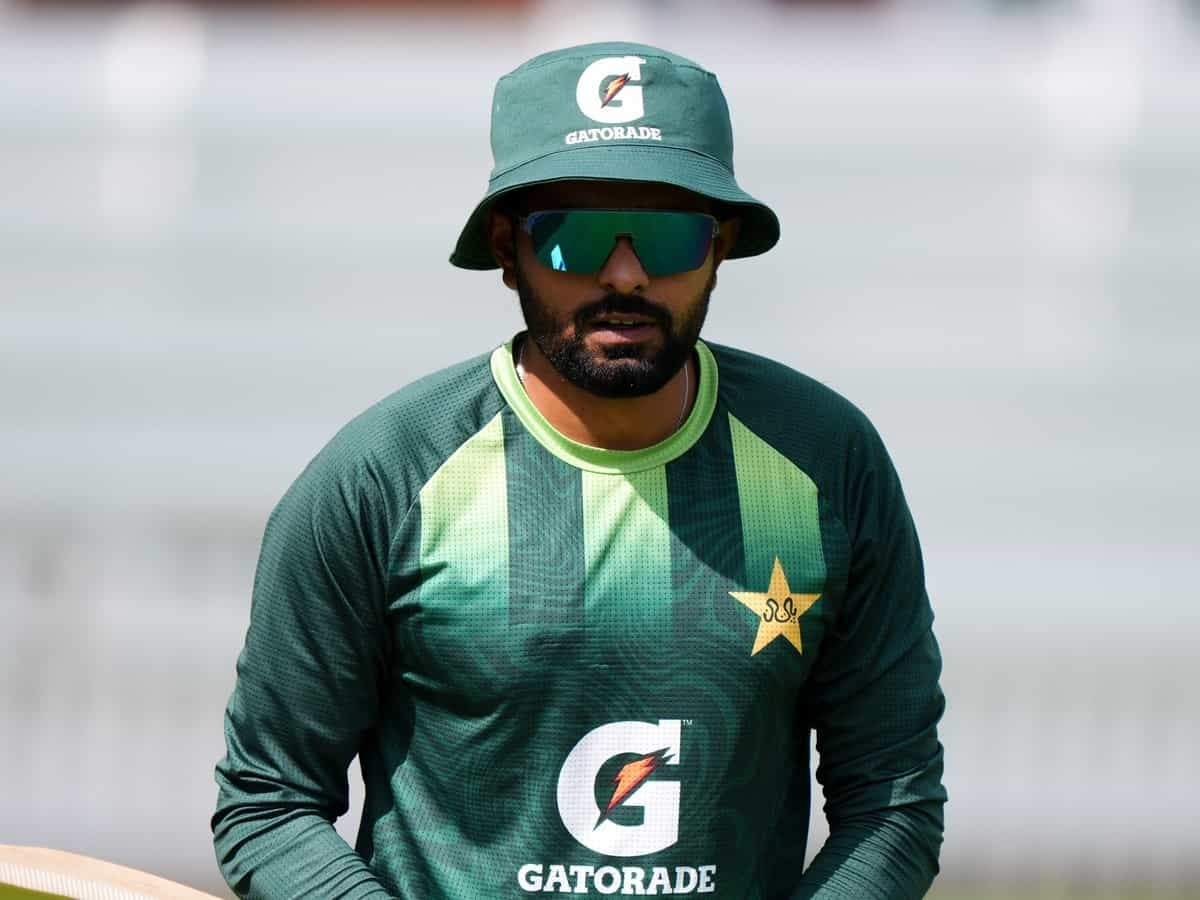
In the passionate, hyper-scrutinized ecosystem of subcontinental cricket, fan adoration frequently straddles the razor-thin boundary between religious devotion and blind obsession. However, a stunning admission from explosive Pakistan wicketkeeper-batter Azam Khan has dragged the darkest underbelly of social media fandom into the global spotlight. Speaking candidly on the Backward Point Cricket Podcast, the twenty-six-year-old power-hitter detonated a figurative bombshell across digital platforms, openly calling out the fan base of superstar batter Babar Azam as “toxic and ignorant.” Azam did not speak in vague generalities or veiled metaphors; he narrated a chilling, personal ordeal that occurred in real-time during an international bilateral assignment for Pakistan. The revelation has sent seismic shockwaves through cricket circles in Lahore, Karachi, Rawalpindi, and across global expatriate diaspora communities, reigniting an urgent debate about player safety, mental health, and the vitriolic culture festering within modern cricket discourse.
The Ireland Chase: How a Routine Run-Chase Turned Into a Family Death Threat
The terrifying incident occurred during Pakistan’s T20 international tour of Ireland. On the field, Pakistan was cruising comfortably toward a target, needing roughly forty runs for victory with several wickets intact. At one end stood former captain Babar Azam, batting smoothly on approximately seventy-five runs and edging within striking distance of an individual three-figure milestone. At the other end stood Azam Khan, tasked with finishing the contest cleanly and securing the international win for his country. Yet while the young batter was executing his professional duty on the twenty-two yards, a venomous digital campaign was unfolding on his handheld screen in the pavilion. An irate social media follower invaded Azam Khan’s personal Instagram account, leaving an unhinged comment warning that if Azam dared to score runs, hit boundaries, or prevent Babar from reaching his personal century, his mother would die and his father—former Pakistan wicketkeeping legend and national head coach Moin Khan—would be diagnosed with terminal cancer.
Deconstructing the Anatomy of Subcontinental Superstar Worship
Azam Khan’s blunt reaction on the podcast laid bare the psychological toll and sheer absurdity of modern digital fan wars. He emphasized that his critique was never aimed at Babar Azam the cricketer, praising Babar’s pedigree and expressing full confidence in his ability to rebound from recent international slumps. Instead, Azam targeted the aggressive, cult-like tribalism that surrounds individual sporting icons in South Asia. In countries like Pakistan and India, cricket followers increasingly divide into militant digital factions dedicated to individual superstars rather than the national crest. Algorithms on Instagram, X, and TikTok reward outrage, amplifying keyboard warriors who treat any teammate competing alongside their idol as a potential enemy. Azam lamented how this uneducated hostility blinds fans to the fundamental laws of cricket, where securing a team triumph must permanently supersede any player’s personal statistical milestone. When personal milestones become weaponized by fan clubs to issue biological curses and death threats against a teammate’s parents, the sport crosses into dangerous, uncharted territory.
Rising Above the Digital Noise: Azam Khan’s Unfiltered Defiance
For years, modern international athletes have taken refuge behind curated PR managers, automated public statements, and restricted comment sections to protect their sanity from online trolls. For a significant period, Azam Khan followed the same protective protocol, locking down his direct messages and filtering his Instagram posts to block the relentless wave of fat-shaming, memes, and personal vitriol. However, the hard-hitting Karachi native revealed that he has now completely unlocked his public interactions, choosing emotional detachment over digital isolation. Azam explained that over the past two tumultuous years, Pakistan’s senior cricketers have endured so much unrelenting administrative instability, public scrutiny, and media mockery that external criticism has lost its sting. By stripping trolls of their power to intimidate him, Azam signaled a defiant psychological turning point, declaring that unhinged keyboard warriors no longer dictate his mood, his self-worth, or his focus on the cricket field.
The New York Ghost: A Brutal Counter-Attack on Fitness Critics
Never one to shy away from uncomfortable truths, Azam Khan utilized his platform to fire back at commentators and armchair analysts who have routinely blamed his body frame and physical conditioning for Pakistan’s tournament debacles. With razor-sharp sarcasm, Azam pointed directly to the disastrous 2024 ICC Men’s T20 World Cup clash against arch-rivals India at Nassau County International Cricket Stadium in New York. In that high-stakes fixture, Pakistan’s bowling unit produced a clinical performance, skittling Rohit Sharma’s Indian lineup for a meager 119 runs. Pakistan sat in the driver’s seat, needing just forty-eight runs from the final eight overs with eight wickets in hand, before suffering a catastrophic, inexplicable collapse engineered by Jasprit Bumrah to finish at 113 for 7. Azam pointedly reminded the public that the so-called fittest, most traditionally athletic players on the team failed to chase down a run-a-ball target on the world’s biggest stage. His biting query—asking why the nation’s supreme athletic specimens could not chase 120 runs if fitness was the singular prerequisite for cricketing success—cut straight through conventional media narratives.
The Urgent Need for Institutional Guardrails in Modern Sport
Azam Khan’s courageous public stand brings to light an uncomfortable crisis that cricket governing bodies can no longer afford to sweep under the rug. The Pakistan Cricket Board (PCB) and international bodies like the International Cricket Council (ICC) have invested heavily in anti-corruption surveillance, but institutional mechanisms to insulate athletes from malicious cyberbullying remain largely toothless. When an active international athlete faces threats against his family’s lives during an ongoing international match simply because he might hit a boundary, the problem ceases to be innocent banter. It represents targeted harassment that corrodes team camaraderie, fractures dressing room dynamics, and places immense psychological burdens on players already performing under intense public pressure. Azam Khan has broken the silence, igniting a conversation that extends far beyond the borders of Pakistan. Whether digital platforms, national boards, and fan communities heed this wake-up call or allow toxic fanaticism to consume the gentleman’s game remains the defining question of cricket’s modern digital era.