North India Statesman
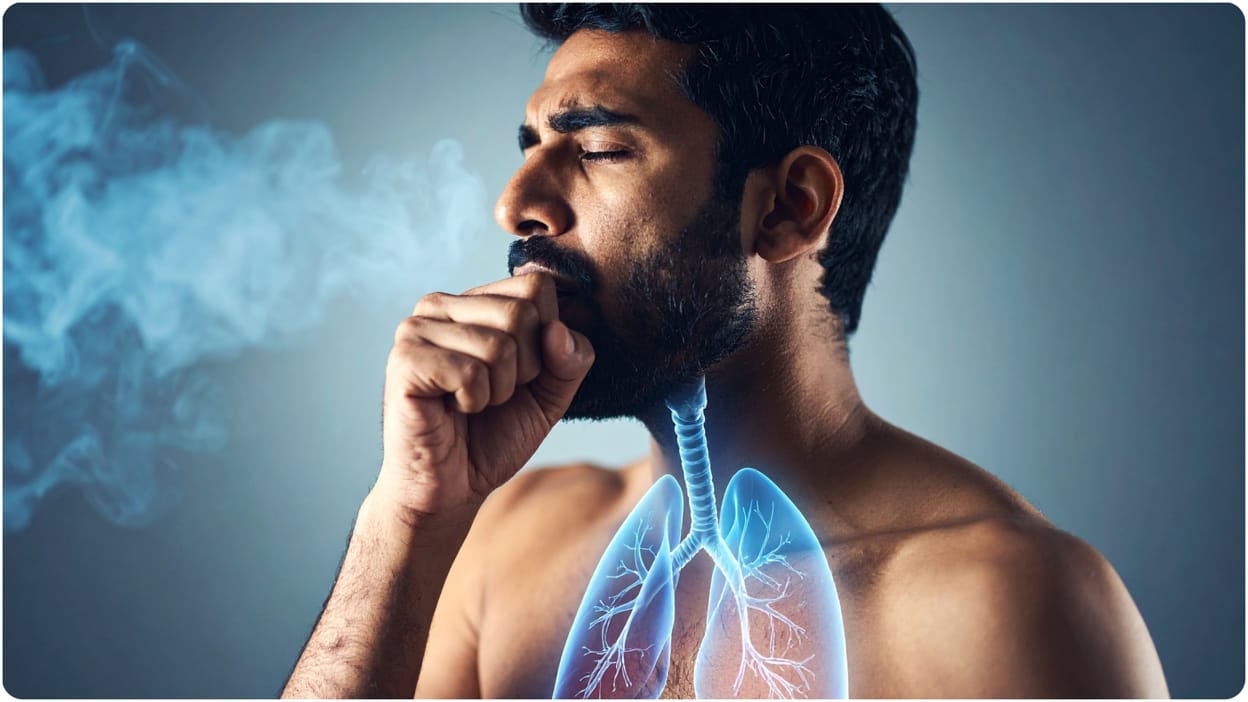
Asthma is frequently dismissed as a minor, manageable breathing nuisance, but a severe asthma exacerbation can become fatal within minutes if medical intervention is delayed. According to global health agencies including the World Health Organization (WHO), hundreds of thousands of lives are lost to asthma annually worldwide, with a large majority of deaths being preventable with timely action.
During an acute attack, three dangerous mechanisms happen simultaneously in the respiratory tract:
-
Bronchospasm: The smooth muscles encircling the bronchial tubes contract violently, squeezing the airways shut.
-
Mucosal Swelling & Edema: The inner lining of the airways becomes inflamed and engorged with fluid.
-
Excessive Mucus Production: Thick, sticky mucus hypersecretes and forms plugs within narrowed airways.
When air passages close past a critical threshold, oxygen cannot reach the alveoli to enter the bloodstream, while carbon dioxide becomes trapped in the lungs. This progression leads to hypoxemia (severe oxygen depletion), hypercapnia (carbon dioxide toxicity), respiratory muscle fatigue, and ultimately respiratory arrest or fatal cardiac arrhythmia. In severe clinical settings, a prolonged refractory attack that fails to respond to standard bronchodilators is known as Status Asthmaticus, which constitutes an immediate ICU emergency.
Crucial Precautions and First-Aid Steps During an Attack
When an individual suffers an asthma flare-up, swift, methodical action is paramount. Panic and poor posture exacerbate airway resistance, accelerating respiratory distress.
-
Sit Upright Immediately: Never allow a person having an asthma attack to lie down flat or recline. Keep them sitting fully upright, leaning slightly forward with elbows supported if comfortable. Sitting upright expands thoracic volume and reduces pressure on the diaphragm.
-
Administer the Fast-Acting Rescue Inhaler (SABA): Immediately deploy a short-acting beta-agonist (such as Salbutamol/Albuterol). The standard emergency protocol (often referred to as the 4×4 rule) involves taking 1 puff through a spacer, taking 4 slow breaths, and repeating up to 4 puffs over 4 minutes if symptoms persist.
-
Keep the Air Space Clear and Calm: Move the person away from obvious environmental triggers such as cigarette smoke, chemical fumes, cold drafts, animal dander, or dust. Loosen tight neckties, collars, or constrictive clothing. Encourage slow, steady breathing through pursed lips to prevent hyperventilation.
-
Do Not Rely on Home Remedies During an Acute Attack: Giving fluids, herbal decoctions, steam inhalation, or hot drinks while a patient is gasping for air introduces a severe choking risk and delays essential bronchodilator therapy.
Red-Flag Symptoms: When to Call an Ambulance Immediately
A mild flare-up can rapidly deteriorate into a life-threatening crisis. Immediate emergency medical services (EMS) must be contacted if any of the following critical warning signs appear:
-
Inability to Speak: The person cannot complete a single sentence in one breath and can only utter fragmented, single words.
-
Accessory Muscle Retraction: Severe straining where the skin visibly pulls inward between the ribs (intercostal retractions) or at the base of the throat (suprasternal notch) during inhalation.
-
Cyanosis (Blue/Grey Discoloration): Lips, tongue, nail beds, or gums turn pale, bluish, or grey, indicating critical blood oxygen desaturation.
-
The “Silent Chest” Phenomenon: Paradoxically, when loud wheezing suddenly stops while the patient remains breathless and distressed, it indicates that airflow is so critically low that the lungs cannot generate sound. This is a pre-arrest sign.
-
Altered Mental State: Confusion, extreme agitation, drowsiness, or exhaustion caused by carbon dioxide retention and cerebral hypoxia.
-
No Relief from Rescue Medication: Peak expiratory flow (PEF) drops below 50% of the patient’s personal best, and multiple puffs of a rescue inhaler fail to provide relief within 10 to 15 minutes.
Long-Term Management to Eliminate Mortality Risk
Preventing fatal attacks requires moving beyond reactive reliance on blue rescue inhalers. Pulmonologists emphasize that high rescue-inhaler usage (more than two canisters a year) signals poorly controlled inflammation and heightened risk of death.
Effective long-term control depends on consistent daily adherence to controller inhalers containing Inhaled Corticosteroids (ICS), which treat underlying airway inflammation even when symptoms are absent. Every diagnosed individual should carry a personalized Asthma Action Plan co-created with their physician, maintain regular peak flow monitoring, and ensure an unexpired rescue inhaler is accessible at all times.