North India Statesman
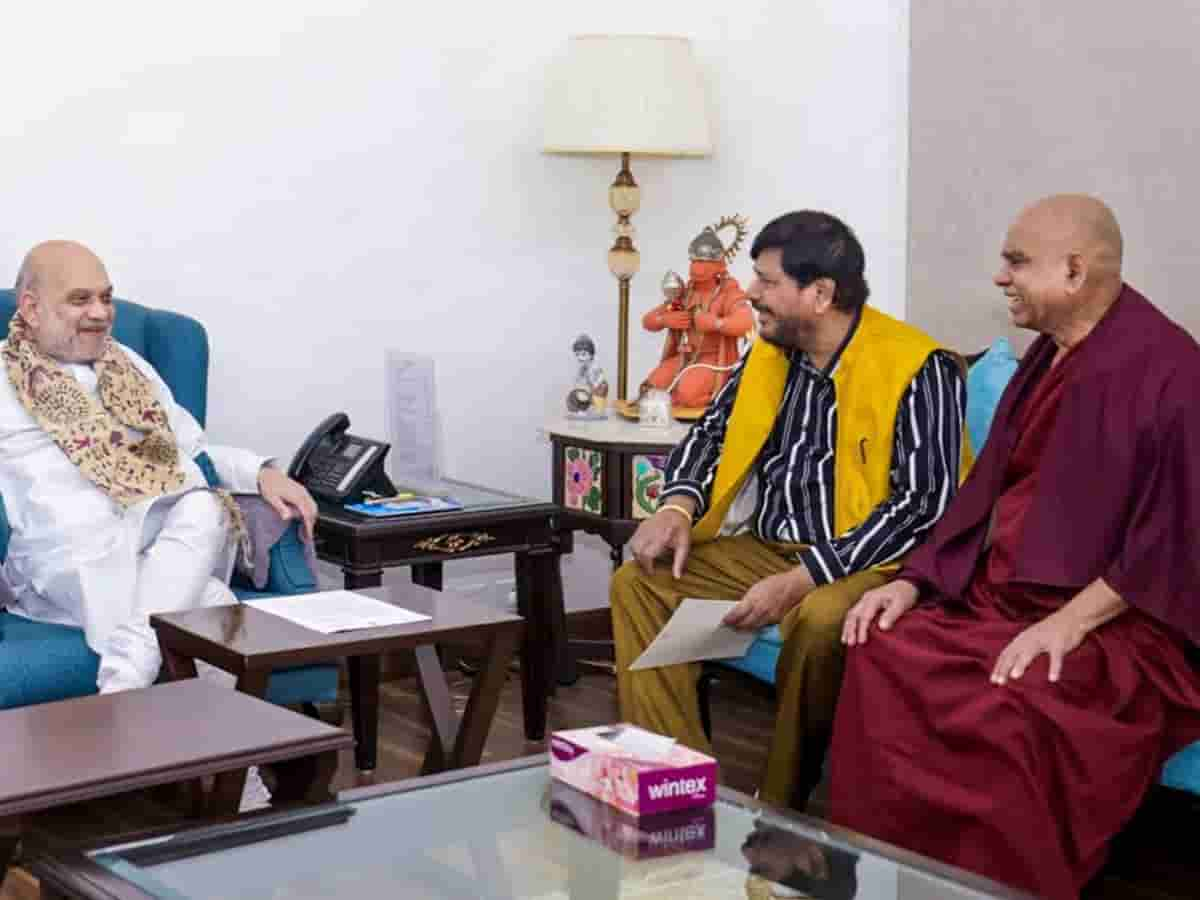
Political activity in New Delhi has intensified ahead of the upcoming Winter Session of Parliament after senior leaders of the ruling National Democratic Alliance (NDA) confirmed that a combined bloc of 361 Members of Parliament across both Houses has aligned behind the government’s upcoming legislative agenda. According to statements attributed to Union Parliamentary Affairs Minister Kiren Rijiju and NDA floor managers following high-level coordination meetings in the national capital on Tuesday, November 17, 2026, the 361-MP figure reflects the consolidated strength of core NDA constituents alongside supportive independent lawmakers and select regional parties backing key governance proposals. Addressing reporters after consultations with alliance floor leaders, Rijiju announced that the government is preparing to introduce a series of consequential legislative and administrative measures during the forthcoming session, emphasizing that broad parliamentary consensus will remain central to the executive’s approach. While ruling coalition leaders hailed the tally as proof of political stability and constructive floor management, opposition parties in the INDIA bloc cautioned that numerical strength in Parliament must not be used to curtail detailed legislative scrutiny or sidestep pressing public debates.
Which Parties and MPs Make Up the 361-Member Parliamentary Tally?
According to parliamentary strategists and official disclosures from NDA floor managers, the 361-MP figure draws from a broad coalition spanning the Lok Sabha and the Rajya Sabha. At the core of this parliamentary bloc sits the Bharatiya Janata Party (BJP), supported closely by its principal coalition partners—most notably the Telugu Desam Party (TDP) led by N. Chandrababu Naidu, the Janata Dal (United) headed by Bihar Chief Minister Nitish Kumar, Eknath Shinde’s Shiv Sena, Chirag Paswan’s Lok Janshakti Party (Ram Vilas), the Janata Dal (Secular), the Rashtriya Lok Dal (RLD), the Nationalist Congress Party (NCP), Apna Dal (Sonelal), Hindustani Awam Morcha (Secular), and the Jana Sena Party. Beyond formal NDA signatories, parliamentary sources noted that several independent MPs and smaller regional outfits from the Northeast and southern states have conveyed issue-based support for developmental and administrative bills, lifting the combined working tally across the two Houses to 361 lawmakers. Political analysts in New Delhi observe that this multi-state representation—stretching from Uttar Pradesh, Bihar, and Maharashtra to Andhra Pradesh, Karnataka, and Assam—gives the alliance crucial leverage when navigating complex legislative arithmetic in both the Lower and Upper Houses.
What Major Announcement Did the Union Minister Make in New Delhi?
Speaking to media representatives in New Delhi, Parliamentary Affairs Minister Kiren Rijiju outlined the government’s preparedness for the upcoming session and signaled major announcements spanning legislative modernization, infrastructure acceleration, and institutional reforms. Rijiju stated that the Union Cabinet and the Ministry of Parliamentary Affairs have finalized a structured calendar of bills and policy discussions aimed at strengthening economic growth, streamlining regulatory frameworks, and expanding welfare delivery across states. Emphasizing cooperative federalism, the minister noted that the government has already initiated outreach with floor leaders across party lines and will convene an all-party meeting prior to the opening gavel to ensure smooth proceedings. According to official briefings from the Ministry of Parliamentary Affairs, the upcoming session is expected to feature key legislative proposals on economic governance, digital infrastructure, and public administration, alongside dedicated hours for discussing national development priorities raised by both treasury and opposition benches. Rijiju urged all political parties to maintain decorum inside the chambers so that substantive debates can take place without repeated adjournments.
How the Opposition INDIA Bloc Has Responded to the Numbers
Even as NDA leaders highlighted the backing of 361 MPs as a sign of strong legislative momentum, senior figures from the opposition INDIA bloc pushed back against the government’s framing. Leaders from the Indian National Congress, Samajwadi Party, Trinamool Congress, and Dravida Munnetra Kazhagam (DMK) stated in separate remarks in New Delhi and state capitals that parliamentary democracy is measured by accountability and debate rather than headline headcounts alone. Congress whips and Rajya Sabha strategists argued that major bills carrying long-term constitutional or federal implications must be referred to Department-Related Parliamentary Standing Committees or Joint Parliamentary Committees for thorough examination before being put to a vote. Opposition spokespersons further maintained that when the Winter Session convenes, their united priority will be pressing the Union government on issues affecting everyday citizens—including inflation, employment generation, agricultural minimum support prices, air pollution across northern India, and the equitable distribution of central funds to opposition-ruled states.
Why This Parliamentary Alignment Matters Across India
For citizens and state governments from Lucknow and Patna to Amaravati, Mumbai, and Chennai, the emerging parliamentary equation carries direct implications for how national policy takes shape over the coming months. In a coalition era where regional allies play an influential role in shaping central priorities, securing the coordinated backing of 361 MPs indicates that key NDA partners remain aligned on core legislative milestones while actively negotiating state-specific infrastructure and fiscal packages. At the same time, constitutional experts point out that while a 361-member tally comfortably clears the threshold required for ordinary legislation and financial bills in Parliament, measures requiring a two-thirds special majority under Article 368 of the Constitution would still demand broader cross-party consensus. As both treasury and opposition benches finalize their floor strategies ahead of the session, voters across India will be watching closely to see whether this renewed political alignment translates into productive parliamentary debate and tangible policy outcomes.