North India Statesman
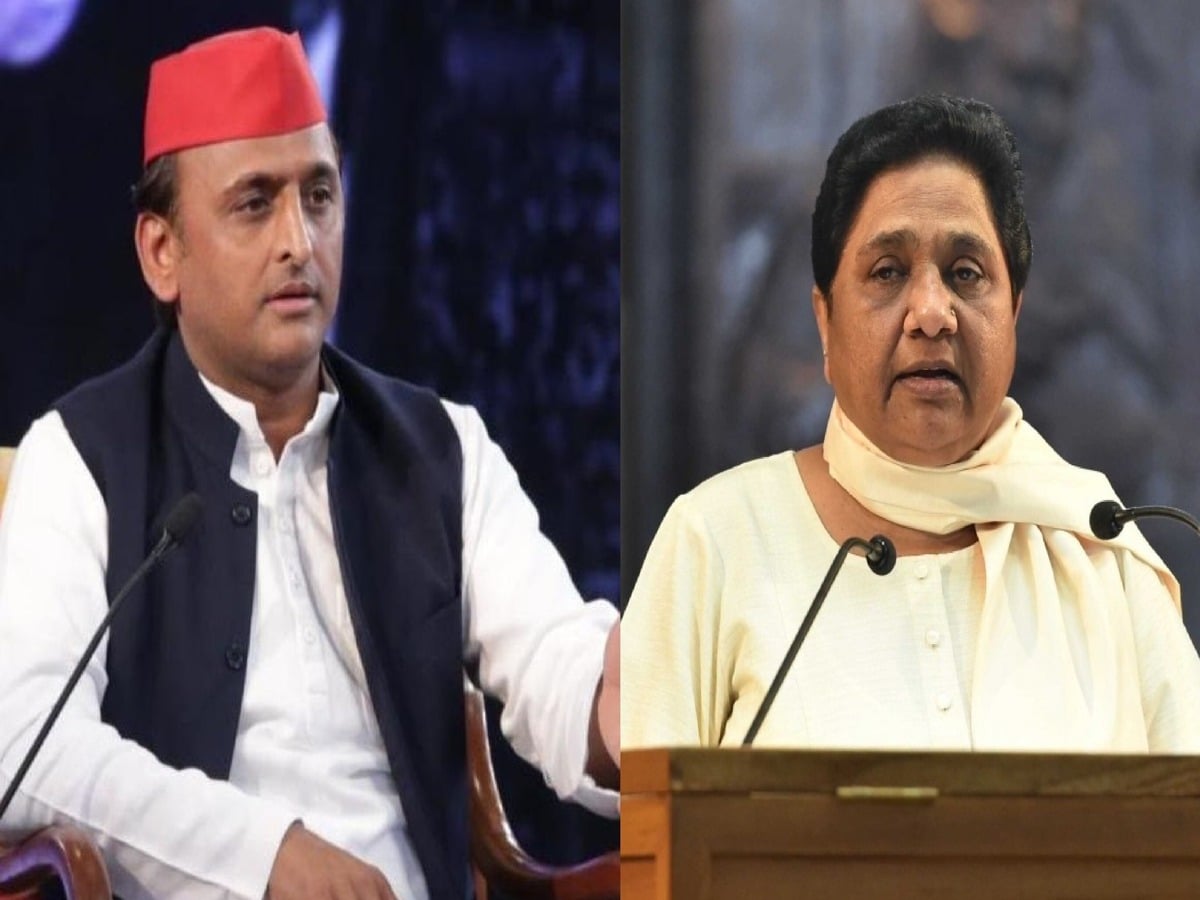
Speculation regarding a potential reunion between Samajwadi Party (SP) chief Akhilesh Yadav and Bahujan Samaj Party (BSP) supremo Mayawati has once again ignited intense debate in the corridors of Uttar Pradesh politics. As key regional equations shift and political parties fine-tune their strategies, the prospect of two former Chief Ministers joining forces immediately triggers alarms across the ruling Bharatiya Janata Party (BJP) camp. Given their formidable combined social base across OBC, Dalit, and minority demographics, even informal coordination between the two regional heavyweights carries enough weight to alter arithmetic outcomes across hundreds of assembly constituencies.
Ground Reality Behind the Alliance Buzz: Fact Versus Speculation
Despite widespread buzz in political circles and social media forums, neither the Samajwadi Party nor the Bahujan Samaj Party has officially signaled a formal pre-poll coalition. Akhilesh Yadav remains strategically anchored to his broader alliance framework—relying heavily on his signature PDA (Pichhda, Dalit, Alpsankhyak) outreach and his partnership with the Congress. Meanwhile, Mayawati has repeatedly affirmed the BSP’s independent course, remaining deeply skeptical of seat transfers following their short-lived 2019 Lok Sabha experiment. While both leaders share the singular common goal of containing the BJP’s electoral dominance, organizational rivalry and competing claims over Dalit-Bahujan leadership continue to keep formal talks off the table for now.
Why an SP-BSP Realignment Would Deepen BJP’s Electoral Arithmetic Hurdles
The reason any hint of an Akhilesh-Mayawati understanding creates nervous ripples within the NDA is rooted in basic electoral math. When the two parties allied in 2019, the core challenge lay in the mutual transfer of ground votes. However, in a scenario where SP and BSP present a consolidated front or avoid strategic vote splitting, the fragmentation of anti-incumbency votes shrinks dramatically. In closely contested seats across Purvanchal, Bundelkhand, and the Doab belt—where multi-cornered contests have routinely enabled the BJP to secure victories with divided opposition tallies—a consolidated non-NDA platform alters victory margins and forces the ruling party into defensive resource redeployment.
The PDA Formula and Competing Claims for the Bahujan Vote Bank
The primary barrier preventing direct political collaboration remains the sharp contest between both parties on the ground. Akhilesh Yadav’s aggressive PDA narrative actively appeals to non-Jatav Dalit voters and minority communities, creating direct friction with the BSP’s foundational cadre. Concurrently, the emergence of newer Dalit-led forces such as Chandrashekhar Azad’s Azad Samaj Party has fractured traditional Bahujan strongholds, compelling Mayawati to guard her core organizational base rather than share podium space with Samajwadi leadership. Unless an unprecedented post-poll arithmetic crisis develops, both parties appear positioned to wage their battles from separate battlements, even as the prospect of their coordination continues to loom over state politics.