North India Statesman
“This Court Cannot Give Back Your Childhood, But We Heard You”
The case dates back to July 2023, when the survivor was barely seven years old and was subjected to sexual assault by a neighbour she addressed as “uncle” in outer Delhi’s Budh Vihar area. During trial proceedings, the traumatized girl voiced a simple, poignant plea: “Jab tak uncle buddhe na ho jaaye, tab tak unhe jail mein hi rakha jaaye” (Till this uncle grows old, keep him in jail). Convicting Shakya under Section 6 of the Protection of Children from Sexual Offences (POCSO) Act and Section 506 of the Indian Penal Code, Judge Ranga responded directly to the child’s words in the sentencing decree:
“This court cannot give you back your childhood. But this court can promise you that your words have been heard. Now beta, live your life, go to school, make friends, laugh, play, dream. This court will always remember your courage… Today, this court has ordered that the man you called uncle will never walk free again. He will live in a cage for the rest of his life. He will grow old in that cage, he will die in that cage.”
Delhi High Court Intervenes to Ensure Words of Healing Reach Child
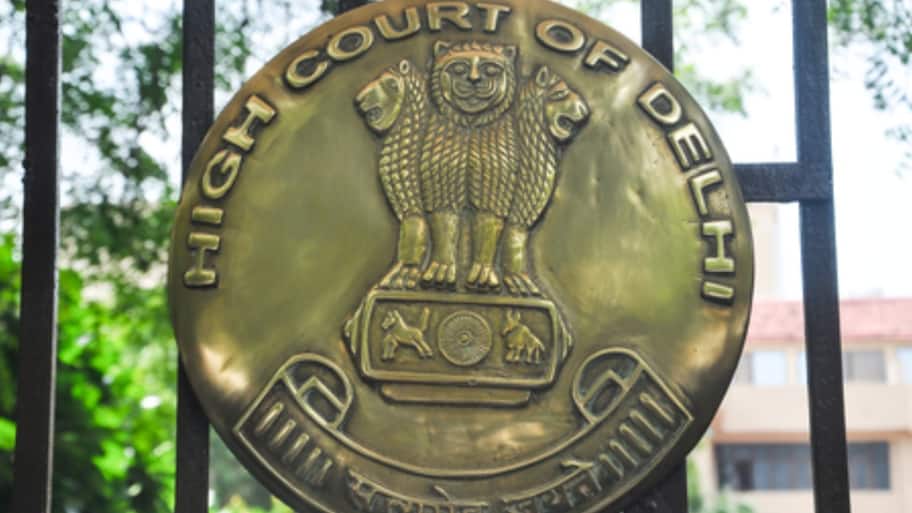
The poignant message came under review when convict Sumit Shakya approached the Delhi High Court challenging his natural-life sentence and seeking immediate suspension of punishment. A division bench comprising Justice Prathiba M. Singh and Justice Dinesh Bhatt took note of the trial judge’s comforting words, recording them as a vital source of psychological rehabilitation and emotional encouragement for the survivor. The bench instructed the Secretary of the District Legal Services Authority (DLSA) to physically print Judge Ranga’s message and deliver it to the young girl and her family along with the awarded compensation of ₹10.50 lakh under Section 33(8) of the POCSO Act within two weeks.
Convict Denied Bail as HC Reaffirms Zero Tolerance
Declining Shakya’s request to suspend his sentence or secure interim release, the High Court bench emphasized that forensic findings and credible trial evidence left no room for judicial leniency at this stage. The court issued formal notices to the State and the survivor through the investigating officer, directing the DLSA to submit a compliance report regarding the compensation and message delivery by November 4. By mandating that the judicial system’s empathy reaches the victim directly, the ruling sets a profound national precedent, showing that justice must not only punish the perpetrator but actively nurture the victim’s healing journey.