North India Statesman
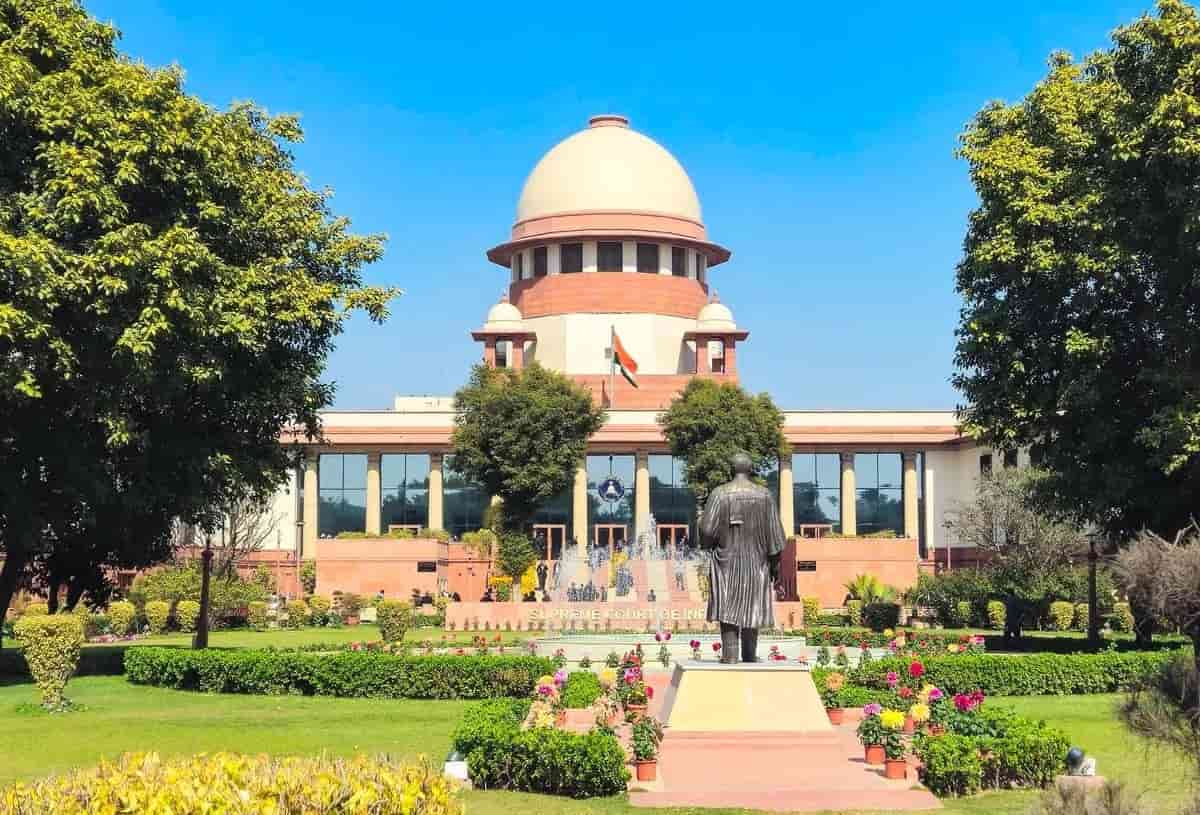
In an unconventional push to enforce compliance and tackle the massive pile-up of unpaid traffic fines across the country, the Supreme Court of India suggested that authorities explore linking outstanding e-challans directly to vehicle owners’ electricity bills. Observing that issuing digital fines accomplishes little if violators simply ignore them, the top court underscored that tying unpaid challans to essential utility services—where non-payment risks immediate power disconnection—could compel defaulters to clear their dues.
₹20,000 Crore in Challan Arrears Sparks Court’s Out-of-the-Box Thinking
The oral suggestion was made by a bench comprising Justices J.B. Pardiwala and K.V. Viswanathan while hearing a road safety public interest litigation regarding the enforcement of electronic monitoring mechanisms under Section 136A of the Motor Vehicles Act, 1988. The bench was informed that States and Union Territories have accumulated approximately ₹45,000 crore in e-challans, out of which only about ₹25,000 crore has been recovered so far, leaving an estimated ₹20,000 crore uncollected. Expressing frustration over sluggish enforcement, Justice Pardiwala remarked that in a country where routine notices are routinely ignored, administrators must find innovative enforcement routes: “If people are not paying traffic challans, add it to their electricity dues bill. They will have to pay the electricity bill, otherwise the power line will be disconnected. Work it out. In this country, you have to find a way out.”
Stringent Transport-Level Restrictions and Seizure Directives
Beyond utility billing linkages, the bench weighed an array of administrative curbs to prevent vehicle owners with pending violations from accessing state transport services. The court discussed blocking the renewal of vehicle registration certificates (RC), restricting transfer of ownership, stopping duplicate certificate issuance, and halting the renewal or issuance of fitness and Pollution Under Control (PUC) certificates. The judges also suggested blacklisting repeat offender vehicles on the national Vahan and Sarathi portals, suspending active driving licenses, and conducting surprise on-ground checks where traffic personnel could impound and seize vehicles found with unpaid challan backlogs.
Questioning 14 Years of Directives and Seeking Ground Results
The bench voiced sharp concern over whether the apex court’s road safety directions, issued over the span of nearly 14 years, were having any tangible impact on the ground. The judges directed the amicus curiae, Senior Advocate Gaurav Agrawal, to compile a detailed compliance matrix documenting past judicial orders, state-level implementation timelines, and real-time execution status. Cautioning state transport departments and traffic police administrations, the court made it clear that if judicial guidelines continue to remain confined to paper, strict action will follow against non-compliant authorities.