 North India Statesman
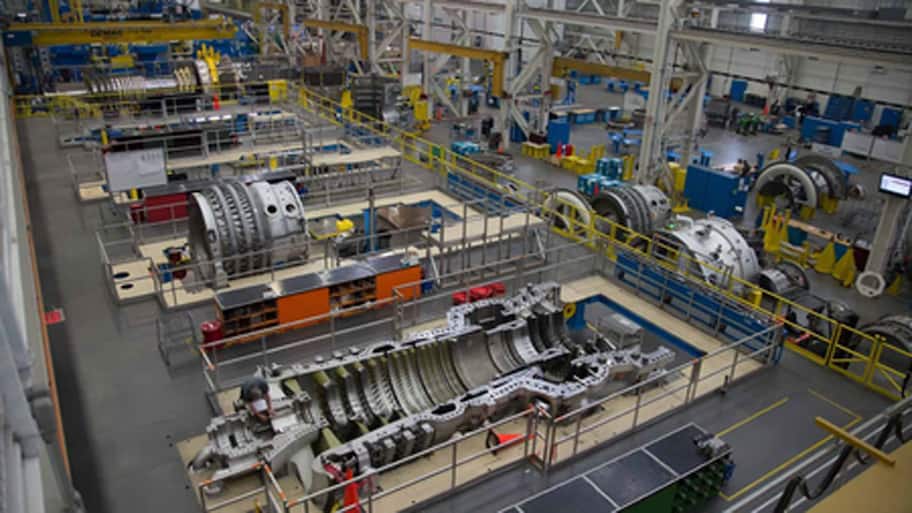
India’s manufacturing sector registered a sharp turnaround in September 2026, breaking a three-month phase of moderation to touch a seven-month high. Driven by a resurgence in domestic demand, accelerating overseas orders, and proactive pre-festive stocking, the seasonally adjusted HSBC India Manufacturing Purchasing Managers’ Index (PMI)—compiled by S&P Global—rebounded sharply to 55.1 from 52.8 recorded in August. The jump of 2.3 index points firmly positions factory operations inside expansionary territory (above the critical 50.0 threshold), signaling broad-based economic resilience as industries gear up for high-consumption festive quarters.
Sharp Expansion In Order Books Across Domestic And Global Markets
The driving engine behind September’s strong rebound was an aggressive influx of new orders, which expanded at the quickest rate since February. Manufacturing units reported substantial consumer appetite across food processing, textiles, pharmaceuticals, and electronic goods.
International trade orders mirrored domestic enthusiasm. Export contracts grew at an accelerated pace, with producers booking substantial orders from commercial clients located in the United States, Europe, the United Arab Emirates, and Brazil. The synchronised rise in order inflows prompted manufacturing enterprises to ramp up output volumes, registering the fastest rate of production growth seen since May.
Resurgent Hiring And Historic Pre-Festive Stock Accumulation
Surging production requirements triggered immediate additions to factory payrolls. After a minor pause in previous months, employment generation resumed vigorously, marking the sharpest pace of formal manufacturing job creation since May.
Simultaneously, purchasing managers made strategic shifts away from lean supply chains toward aggressive inventory accumulation:
-
Purchasing Activity: Purchasing volumes grew at their quickest rate in seven months as firms replenished depleted raw material reserves.
-
Finished Goods Reserves: Inventories of finished goods registered their second-largest expansion in nearly 12 years, demonstrating producer confidence in upcoming holiday and retail sales.
-
Vendor Preparedness: Companies proactively secured input inventories to avoid supply-chain bottlenecks and distribution delays during high-demand months.
Cost Pressures And Shifting Pricing Dynamics
While output and order books surged, input cost inflation showed signs of firming up. Manufacturers reported higher procurement costs for steel, active pharmaceutical ingredients (APIs), and critical electronic components.
However, despite these cost bumps, both input and output price inflation remained relatively modest compared to long-term historical trends. A significant number of firms successfully passed on fractional cost increments to clients via modest revisions in selling prices, preserving operating margins without dampening underlying demand.
Future Business Outlook Hits Four-Month High
Reflecting the surge in client inquiries and strong pipeline visibility, overall business confidence among Indian factory executives climbed to a four-month high in September. Companies anticipate that favorable macroeconomic conditions, sustained consumer discretionary spending, and steady infrastructure allocations will maintain positive operational momentum well into the subsequent fiscal quarters.


