North India Statesman
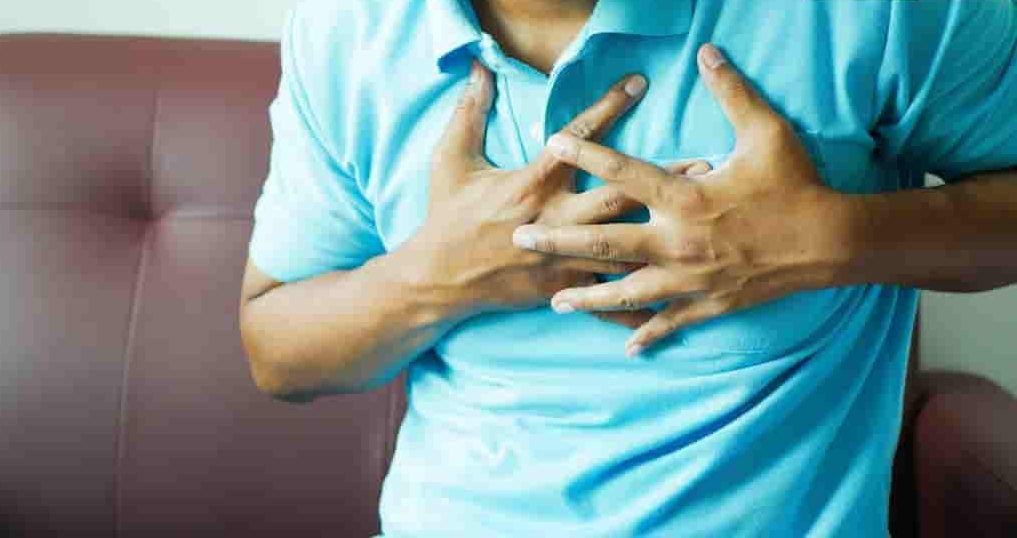
Recent headlines surrounding veteran actor Nana Patekar’s reported cardiac arrest scare have once again ignited widespread anxiety and debate across households from Mumbai and Delhi to Lucknow and Kolkata. Whenever an active, seemingly fit individual collapses unexpectedly despite possessing clean medical reports, people are left grappling with disbelief. The fundamental reality of modern diagnostic medicine is that routine blood checkups, lipid panels, and standard resting tests offer merely an instantaneous snapshot of a person’s current physical baseline. They assess baseline markers, but they cannot definitively forecast sudden, catastrophic electrical short-circuits or dynamic cardiovascular events that can develop within seconds.
The Vital Distinction: Heart Attack Versus Sudden Cardiac Arrest
A primary reason for public confusion is the common tendency to treat a heart attack and a cardiac arrest as interchangeable medical events, when their underlying pathology is entirely distinct:
A heart attack represents a plumbing or circulation breakdown. It occurs when a coronary artery supplying oxygenated blood to the heart muscle gets obstructed by a ruptured plaque or blood clot. The starved heart muscle begins suffering ischemic damage, typically producing distress signals such as severe retrosternal chest pain, radiating ache toward the left arm or jaw, cold sweats, and acute breathlessness. In contrast, cardiac arrest is an acute electrical malfunction. The heart’s coordinated rhythm collapses into a chaotic, rapid tremor known as ventricular fibrillation or ceases altogether. The heart instantly stops pumping blood to the brain and vital organs, causing the victim to lose consciousness within seconds and stop breathing normally. While a massive heart attack can trigger cardiac arrest, cardiac arrest can strike spontaneously without prior arterial blockage.
The Hidden Blind Spots: Why Routine Reports Can Look Completely Normal
Relying entirely on a clean lab report to assume absolute cardiovascular immunity is a dangerous misconception. A standard 12-lead electrocardiogram (ECG) only records heart rhythm for approximately ten seconds; if an arrhythmia or electrical conduction anomaly is intermittent or exertion-induced, a resting ECG will register as completely normal. Furthermore, conventional stress tests typically flag blockages only when an artery is constricted by over 70%, leaving thin, vulnerable, non-calcified “soft plaques” (20% to 50% blockage) entirely invisible. When extreme physical stress, severe dehydration, acute viral inflammation, or intense emotional distress causes these soft plaques to rupture, a massive clot forms instantaneously, triggering sudden cardiac arrest. Subclinical myocarditis, cardiomyopathy, and inherited channelopathies can similarly remain hidden beneath routine checkup results.
Essential Daily Guardrails and Life-Saving Emergency Action
Protecting cardiovascular health requires moving beyond occasional diagnostic tests toward consistent, proactive wellness habits. Maintain rigorous control over blood pressure, blood glucose, and lipid profiles through a balanced, unprocessed diet, regular moderate exercise, restorative sleep, and total avoidance of tobacco and excessive stimulants. Share any family history of premature cardiac demise or unexplained fainting episodes with your cardiologist so specialized evaluations—such as 2D Echocardiograms, Holter monitoring, or CT Coronary Angiography—can be ordered if warranted. Never ignore warning signs like sudden palpitations, uncharacteristic fatigue, or dizziness. Crucially, if an individual collapses, loses consciousness, and stops breathing, call emergency medical services immediately and start cardiopulmonary resuscitation (CPR). Immediate chest compressions maintain vital blood flow to the brain, serving as the single most critical intervention that saves lives before advanced medical care arrives.