North India Statesman
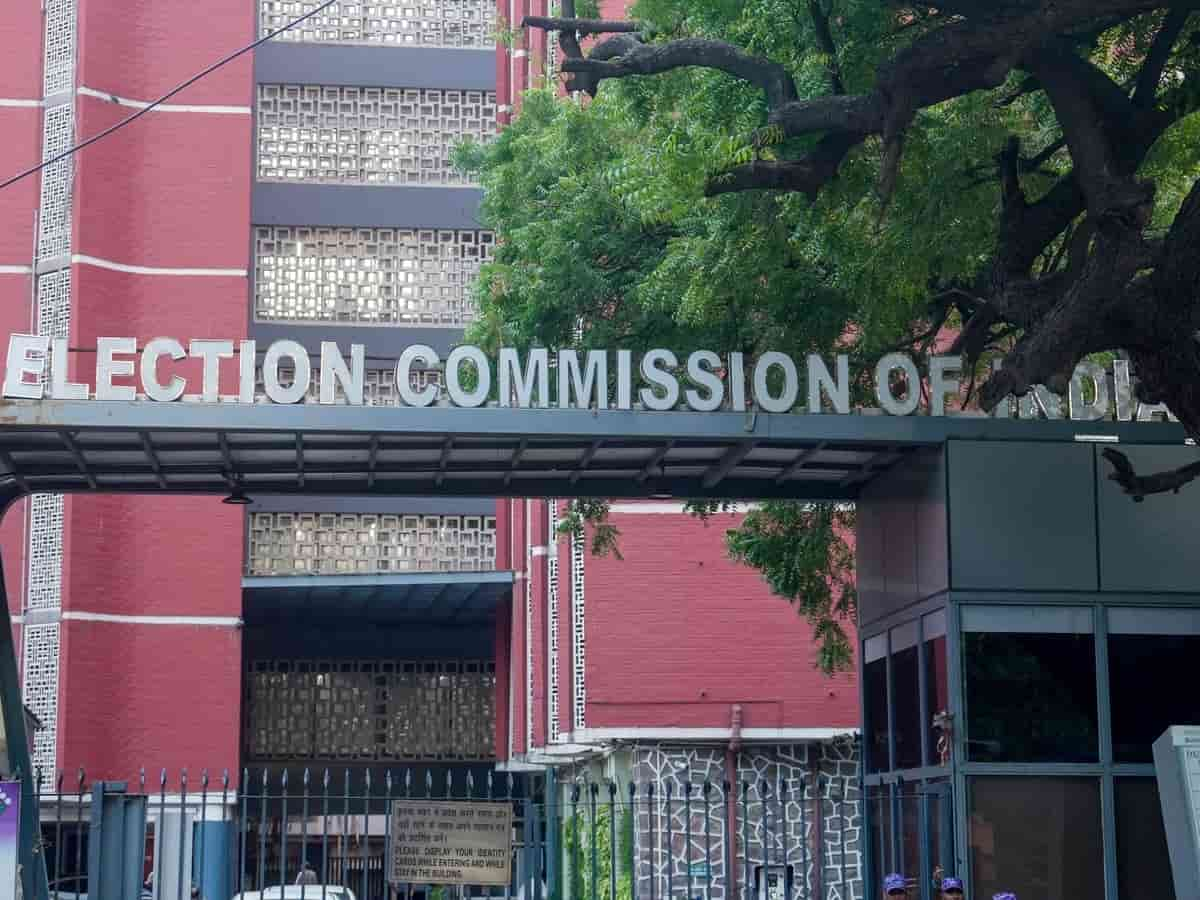
A fresh political storm has erupted over electoral transparency in India after opposition leaders in Maharashtra pointed to newly reported voter-queue discrepancies in Andhra Pradesh to renew their long-standing allegations against the Election Commission of India (ECI). On Monday, November 23, 2026, leaders from the Maha Vikas Aghadi (MVA)—comprising the Congress, Shiv Sena (UBT), and Nationalist Congress Party (Sharadchandra Pawar)—demanded accountability from the poll body following an investigative report highlighting a mismatch of over 31,000 voters queued up after 6:00 PM during the 2024 simultaneous polls in Andhra Pradesh’s Chittoor parliamentary constituency. For voters and political observers across Mumbai, Pune, Nagpur, and New Delhi—as well as readers in Unnao, Lucknow, and across Uttar Pradesh—the row has reignited intense national debate over polling-hour turnout surges, booth-level data disclosure, and institutional credibility.
What Did the Andhra Pradesh Chittoor Report Reveal?
The latest controversy stems from an investigative report by The Reporters’ Collective examining internal polling records from the 2024 simultaneous Lok Sabha and Assembly elections in Andhra Pradesh. According to the report, data compiled across the Chittoor parliamentary seat and its seven constituent Assembly segments—Kuppam, Nagari, Chandragiri, Nellore, Chittoor, Palamaner, and Puthalapattu—showed two conflicting figures for the exact same pool of voters standing in queues at the 6:00 PM closing deadline. While one official record listed 56,067 voters waiting in line at 6:00 PM, another corresponding count placed the figure at 24,596—creating an unexplained gap of 31,471 voters despite both elections taking place simultaneously inside the exact same polling stations. Simultaneously in Andhra Pradesh, the YSR Congress Party (YSRCP) also demanded an independent probe into the mismatch, noting that clearing such a volume of late-evening voters implied an unusually rapid polling pace across booths.
Why Maharashtra’s Opposition Linked Chittoor Data to State Polls
In Mumbai, MVA leaders seized upon the Chittoor findings, arguing that the discrepancies validate the exact concerns they raised following the 2024 Maharashtra Assembly elections. Maharashtra Congress spokesperson Sachin Sawant stated that his party had repeatedly questioned the sudden late-evening spike in voter turnout recorded after 5:00 PM across Maharashtra, yet never received satisfactory answers or access to polling-booth CCTV footage. Echoing those concerns, Congress leader Pravin Chakravarty questioned how a single physical queue of voters could yield two drastically different headcounts, asking whether the Election Commission failed to notice a 31,000-voter gap or chose to remain silent. Shiv Sena (UBT) spokesperson Anand Dubey and NCP (SP) national spokesperson Clyde Crasto similarly maintained that every electoral anomaly must undergo transparent, independent scrutiny, linking the issue to broader opposition questions surrounding the Special Intensive Revision (SIR) of electoral rolls, alleged voter deletions, and Electronic Voting Machine (EVM) protocols.
How the Election Commission and State Officials Have Responded
Responding sharply to the renewed allegations, election officials dismissed the accusations as unfounded. The Office of the Chief Electoral Officer (CEO) rejected the claims as “baseless”, reiterating that statutory polling procedures include strict checks at every stage. In earlier official clarifications addressing Maharashtra’s post-poll turnout figures, the state CEO had explained that apparent differences between initial end-of-poll EVM turnout numbers and final counted votes stem from valid postal ballots, Election Duty Certificates (EDCs) issued to polling staff, and specific VVPAT verification protocols rather than any addition of bogus votes. Election authorities maintain that polling agents representing all contesting political parties receive signed Form 17C records documenting the exact number of votes polled at every booth before machines are sealed.
Why Booth-Level Transparency Remains at the Heart of the Debate
Despite official assurances, electoral analysts note that public trust often hinges on timely, granular disclosure. Critics point out that prior to the 2019 general elections, booth-level turnout data was far more readily accessible to the public, whereas post-2019 reporting relies heavily on aggregated constituency-level updates. As political parties prepare for upcoming local body and state electoral cycles, the clash between opposition leaders demanding raw booth-level records and election officials defending existing statutory safeguards underscores how fiercely data transparency is now contested in Indian democracy.