 North India Statesman
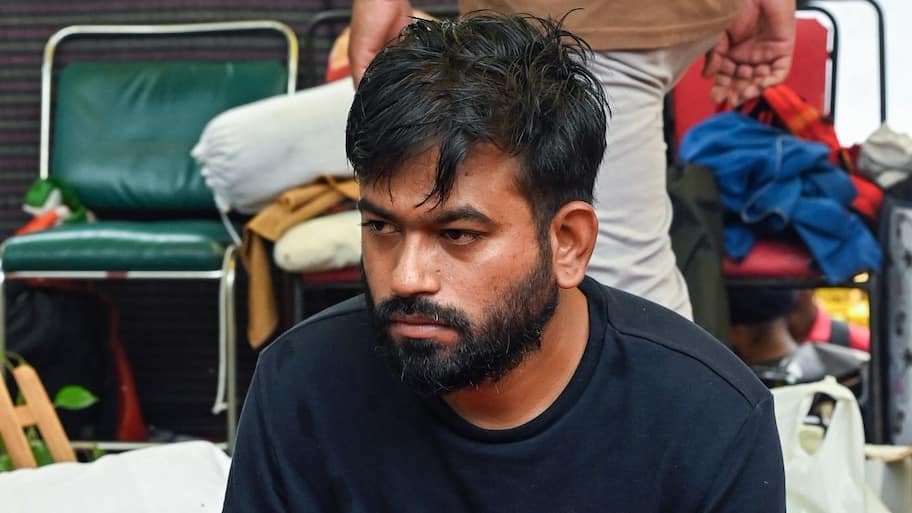
The Delhi High Court has declined to grant an interim stay against the public gathering proposed by Citizens for Justice and Peace (CJP) at central Delhi’s iconic Connaught Place, shifting the immediate operational decision entirely to local law enforcement. In a notable observation during the hearing, the court underscored that peaceful assembly constitutes a constitutionally protected democratic expression, provided statutory regulatory compliances are maintained by organizers. The judicial bench maintained that matters pertaining to venue clearance, crowd management, and traffic regulation fall under the administrative jurisdiction of the Delhi Police, rather than requiring preemptive judicial intervention to stifle assembly plans outright.
Law and Order Balancing Act at Central Delhi’s Commercial Core
Connaught Place remains one of the national capital’s busiest financial, retail, and transit hubs, connecting thousands of daily commuters through major arterial routes and metro intersections. Representatives appearing on behalf of police authorities raised procedural and logistical flags regarding the intense footfall and the unique spatial vulnerability of Inner and Outer Circle commercial corridors. The court observed that while maintaining peace and order across New Delhi district is paramount, authorities must evaluate requests based on realistic threat assessments and actionable crowd-control blueprints rather than implementing blanket prohibitions against demonstrations.
Regulatory Discretion and Pending Police Clearance
The legal outcome leaves the organizers awaiting formal regulatory clearance from the licensing branch of the Delhi Police. Legal counsels representing CJP argued before the court that the planned peaceful gathering complies with foundational guidelines on non-violent assembly and that formal intimations had already been moved through the designated administrative channels. Police officials hold the authority under the Delhi Police Act and Section 144 regulatory mechanisms to either sanction the event with structural conditions—such as participant limits, specific cordon boundaries, and noise restrictions—or offer an alternative designated protest site like Jantar Mantar to avert disruptions in primary retail districts.
Precedents on Public Space Protests and Citizen Rights
This judicial development aligns with broader legal precedents established by constitutional courts regarding protests in urban transit spaces. The High Court’s posture reiterates that assembly rights under Article 19(1)(b) exist alongside reasonable restrictions framed under Article 19(2), placing an obligation on city administration to actively coordinate with civil society outfits rather than issuing arbitrary rejections. Security analysts observe that handling central demonstrations requires real-time coordination, dynamic traffic diversions, and proactive perimeter management to protect both fundamental assembly rights and normal trade activities in commercial quarters.
Final Directives and Next Administrative Steps
With the judicial bench stepping back from blocking the gathering, attention turns to the Deputy Commissioner of Police (New Delhi District) for final administrative review. The court disposed of the petition by directing police leadership to independently assess the grounds, review route viability, examine potential vehicular impacts, and issue a reasoned written order expeditiously. Organizers and traders within the Connaught Place business district remain watchful as local authorities finalize their protocol regarding venue permissions and perimeter security arrangements for the planned demonstration.


