North India Statesman
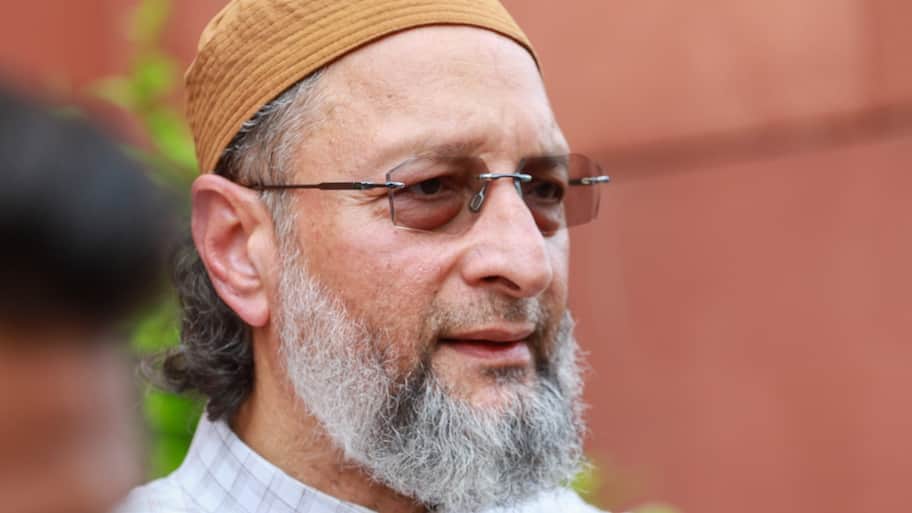
All India Majlis-e-Ittehadul Muslimeen (AIMIM) President and Hyderabad MP Asaduddin Owaisi has approached the Supreme Court of India, challenging the execution and procedural conduct of the Election Commission of India’s (ECI) Special Intensive Revision (SIR) of electoral rolls. The matter was mentioned by Senior Advocate Nizamuddin Pasha before a bench comprising Chief Justice of India (CJI) Surya Kant and Justice Joymalya Bagchi. Counsel requested urgent listing alongside a batch of connected petitions filed by prominent opposition figures. The bench acknowledged the mentioning memo and agreed to examine the submission, listing the matter for hearing on Thursday, October 15, 2026, alongside similar challenges already before the court.
Petition Flags Voter Deletions and Misuse of Form 7
Owaisi’s petition questions the lack of procedural transparency in large-scale voter deletions carried out under the SIR drive, alleging that names have been removed arbitrarily without publishing booth-wise explanations or serving advance notices to affected citizens. The plea points out widespread concerns over bulk objection filings under Form 7, contending that targeted cancellations disproportionately impact marginalized communities, linguistic minorities, and women voters. The petition argues that the right to vote is an essential facet of constitutional democracy, requiring verifiable institutional safeguards and public scrutiny before any qualified elector is struck off the electoral register.
Legal Challenge Joins Opposition Petitions Seeking Judicial Audit
The legal offensive brings Owaisi’s plea into alignment with petitions previously submitted by Leader of Opposition in the Lok Sabha Rahul Gandhi and Congress President Mallikarjun Kharge, alongside other political outfits. The joint petitions have urged the Supreme Court to mandate an independent technical and procedural audit headed by a retired apex court judge to review voter alterations across election software databases, including ECINET and ERONET. The petitioners have also raised constitutional questions regarding administrative decision-making inside Nirvachan Sadan, arguing that major modifications to voter registries must reflect multi-member commission deliberation pursuant to Article 324 rather than unilateral administrative directives.
Street Demonstrations and Constitutional Rights Take Center Stage
The legal confrontation in the apex court arrives amidst escalating public debate and street protests in the national capital over civic freedoms and electoral integrity. Defending public demonstrations against the SIR drive, Owaisi asserted that peaceful assembly remains an inviolable fundamental right, stressing that administrative restrictions cannot suppress public concerns. With the Supreme Court set to commence hearing arguments on Thursday, legal observers and political stakeholders across New Delhi and regional capitals are watching the courtroom proceedings closely for potential judicial directives regarding voter roll disclosures, objection timelines, and constitutional oversight of the ongoing revision exercise.