North India Statesman
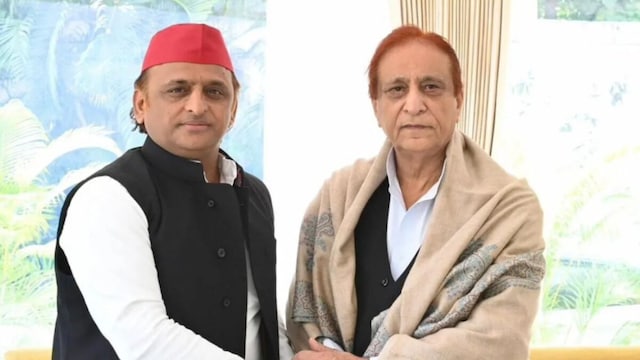
In a sharp and politically charged reaction to Samajwadi Party (SP) chief Akhilesh Yadav’s high-profile meeting with jailed veteran leader Azam Khan in Rampur, prominent Islamic scholar Maulana Shahabuddin Razvi Bareilvi has launched a fierce attack on the SP leadership. Reacting to the headline-grabbing meeting, Maulana Shahabuddin used the classic adage “Bahut der kar di meharbaan aate-aate” (You took too long to arrive, my friend), asserting that the sudden outreach comes at a time when political damage has already been done. He claimed that the delayed visit stems from political desperation rather than genuine concern for the veteran Muslim leader.
Cleric Claims Late Political Outreach Will Yield Zero Results in Key Electoral Belts
Elaborating on his critical assessment, Maulana Shahabuddin stated that the SP chief’s late maneuver will achieve nothing substantive for the party or the Muslim community across Western Uttar Pradesh. He pointed out that during Azam Khan’s extended legal battles and prolonged incarceration, the party leadership maintained an ineffective distance, leaving the community disillusioned. According to the cleric, minority voters across the state are now politically astute and will not be swayed by last-minute photo opportunities or symbolic jail visits aimed solely at consolidating minority vote banks ahead of upcoming elections.
Political Tremors and Minority Vote Dynamics Across Uttar Pradesh
The Maulana’s stinging critique has sent shockwaves through political circles across key regional centers—including Rampur, Bareilly, Moradabad, and the state capital Lucknow. As rival political parties seize upon Maulana Shahabuddin’s statements to target the Samajwadi Party’s minority outreach strategy, SP defenders insist that the meeting reflects deep-rooted personal and political solidarity with Azam Khan. The heated exchange underscores the intense battle for minority vote consolidation across Uttar Pradesh, where changing community dynamics could play a decisive role in shaping the state’s political landscape.