North India Statesman
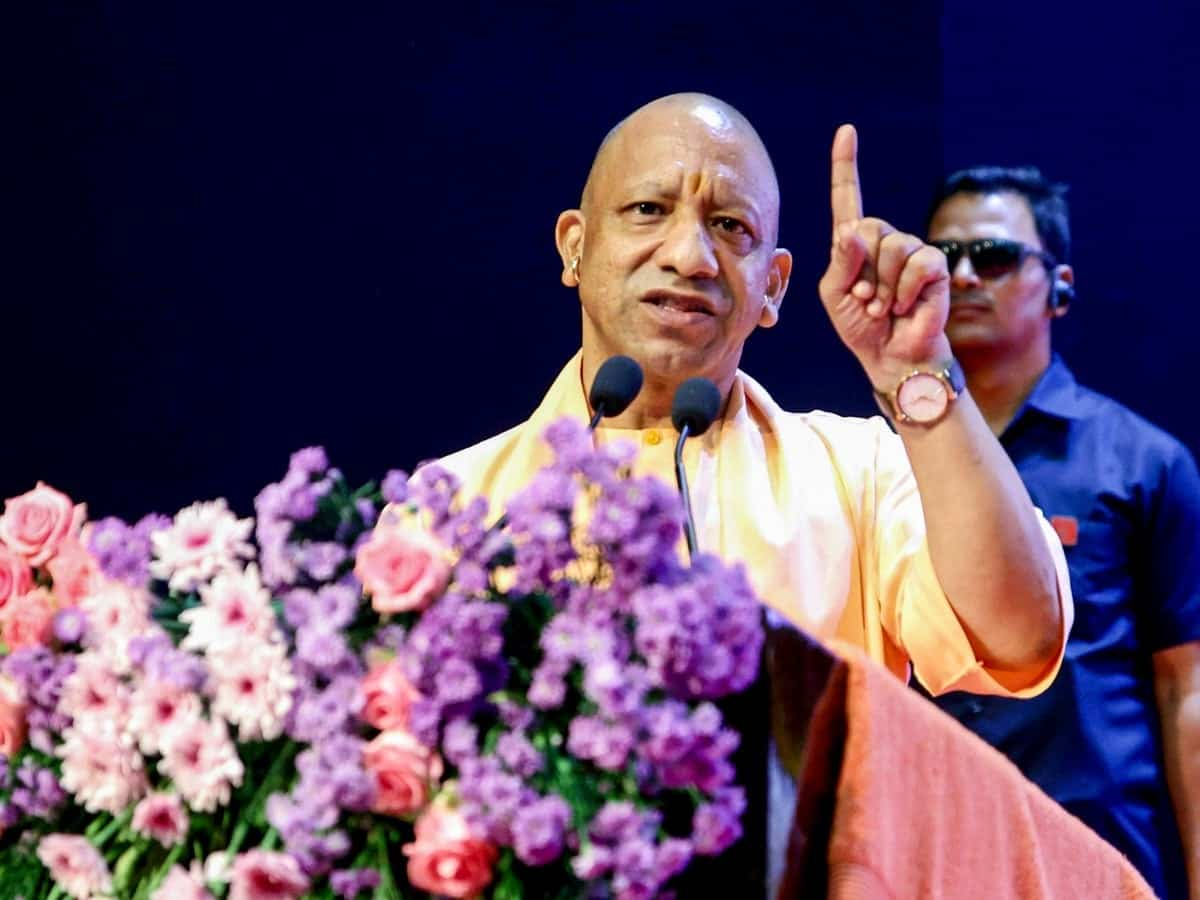
The historic city of Lucknow is set to transform into a vibrant epicenter of Indian folk, classical, and contemporary arts this November. In a significant cultural initiative, the Chief Minister Yogi Adityanath-led Uttar Pradesh government has announced a four-day mega celebration scheduled to take place from November 23 to November 26. Designed as an immersive tribute to the nation’s multifaceted heritage, the festival will bring together hundreds of celebrated folk dancers, classical vocalists, instrumentalists, and visual artists representing dozens of Indian states. With grand pavilions, live acoustic stages, and interactive craft ateliers currently under development, the administrative machinery of Lucknow is working at full throttle to curate an unforgettable experience for culture enthusiasts, tourists, and local residents alike.
The upcoming festival stands as a testament to the Uttar Pradesh government’s persistent campaign to position Lucknow not just as an administrative powerhouse, but as a thriving hub for national cultural exchange. By inviting ensembles from varied linguistic, regional, and artistic backgrounds, the four-day conclave seeks to highlight the philosophy of unity in diversity while celebrating the profound traditions of India. Official preparatory reviews led by senior state cultural administrators underscore an ambitious roadmap, combining grand performance arenas with family-friendly public spaces that capture both traditional Awadhi hospitality and the pulsating spirit of modern India.
A Diverse Tapestry of Pan-Indian Folk and Classical Traditions
At the heart of the November 23 to 26 showcase is an expansive roster of traditional artists, many of whom preserve rare and centuries-old art forms passed down through ancestral lineages. Cultural contingents from Rajasthan, Gujarat, Punjab, West Bengal, Assam, Odisha, Maharashtra, Kerala, and Tamil Nadu will converge on the banks of the Gomti. From dynamic martial dances like Kerala’s Kalaripayattu and Punjab’s high-energy Bhangra to the delicate storytelling of Kathak, Sattriya, and Odissi, attendees will witness an authentic panorama of Indian stage arts.
Special emphasis has been placed on indigenous and tribal art forms that rarely receive mainstream festival prominence. Artisan groups will set up open-air live demonstration zones where visitors can observe the painstaking work behind Madhubani, Pattachitra, Warli, and Gond artwork. The Yogi government’s initiative provides these performers and artisans with a high-visibility platform, complete with direct public interaction, state recognition, and widespread media coverage, helping to protect vulnerable indigenous traditions from fading into obscurity.
Transforming Lucknow into a Global Cultural Destination
Under the strategic direction of Chief Minister Yogi Adityanath, Uttar Pradesh has actively integrated cultural preservation with regional tourism development. This grand gathering in Lucknow reflects that dual objective, building upon previous successful state-level festivals, such as the grand celebrations in Ayodhya, Mathura, and Varanasi. By hosting a multi-state event in Lucknow, the state administration aims to stimulate domestic tourism and bolster the local hospitality sector, including hotels, travel operators, and local transit networks.
The city’s historic architecture and cultural landmarks provide an evocative backdrop to this four-day congregation. Heritage walks, open-air photo exhibitions, and dedicated narrative panels will guide attendees through the historical connections between Awadh and neighboring cultural corridors. The administration is also coordinating with tourism boards and transport departments to ensure smooth connectivity, dedicated shuttle routes, and ample parking facilities around the festival grounds, facilitating frictionless navigation for domestic and international travelers visiting the city during late November.
The Confluence of Craftsmanship, Cuisine, and Awadhi Heritage
Beyond stage performances, the grand festival grounds will house a sprawling marketplace dedicated to India’s diverse culinary traditions and handcrafted specialties. In direct synergy with the state’s flagship One District One Product (ODOP) scheme, rural artisans from across Uttar Pradesh will present hand-embroidered Chikankari fabrics, intricate brassware from Moradabad, black pottery from Nizamabad, and distinctive wooden handicrafts from Saharanpur alongside master weavers from across the nation.
Culinary heritage will occupy a prime spotlight throughout the four-day event. Specially curated food streets will feature authentic regional delicacies alongside Lucknow’s iconic Awadhi cuisine. Visitors will have the unique opportunity to savor authentic Rajasthani Dal Baati Churma, Bengali sweets, South Indian traditional preparations, and Marathi delicacies right alongside the legendary kebabs, biryanis, and aromatic breads prepared by generational bawarchis of Lucknow. This culinary integration emphasizes the broader mission of the festival: creating an authentic sensory experience that bridges regional differences through shared culture.
Youth Engagement and Interactive Workshops
Recognizing the critical need to connect younger generations with classical and folk heritage, the festival organizers have integrated interactive masterclasses, panel discussions, and student competitions into the daytime agenda. Eminent scholars, choreographers, and master instrumentalists will conduct hands-on workshops on classical rhythm patterns, traditional puppet making, and regional vocal techniques.
Schools, colleges, and creative institutions across Lucknow and adjoining districts are being formally invited to participate in guided morning walkthroughs. These sessions are structured to demystify traditional arts, encouraging youth to explore classical music and dance as viable career pathways and artistic disciplines. Generative art installations combining traditional motifs with modern digital projection will also be featured, ensuring the festival resonates deeply with contemporary sensibilities and social-media-savvy audiences.
Comprehensive Security, Infrastructure, and Visitor Amenities
With tens of thousands of visitors expected daily between November 23 and 26, the Lucknow district administration and police commissionerate have instituted robust logistical frameworks. The festival layout incorporates dedicated emergency corridors, comprehensive multi-tier CCTV surveillance, medical emergency booths staffed by trained doctors, and drinking water kiosks throughout the venue.
Green event protocols are being strictly implemented across the event grounds. The Yogi government has mandated plastic-free food zones, dedicated waste segregation counters, and eco-friendly structural materials for stalls and pavilions. Special eco-friendly public transport options, including electric buses operated by the Lucknow City Transport Services, will run frequent circuits connecting major transit hubs such as Charbagh Railway Station, Lucknow Airport, and the Alambagh Bus Terminal directly to the festival arena.
A Milestone Event for Cultural Integration
The upcoming mega cultural gathering from November 23 to 26 represents far more than an entertainment event; it is an assertion of cultural identity, public participation, and state-backed patronage of traditional performing arts. As Lucknow prepares its stages to welcome the country’s finest creative talents, the Yogi government’s initiative sets a fresh benchmark for how regional festivals can preserve national heritage, empower traditional artists, and unite communities in an uplifting celebration of shared civilizational pride.