North India Statesman
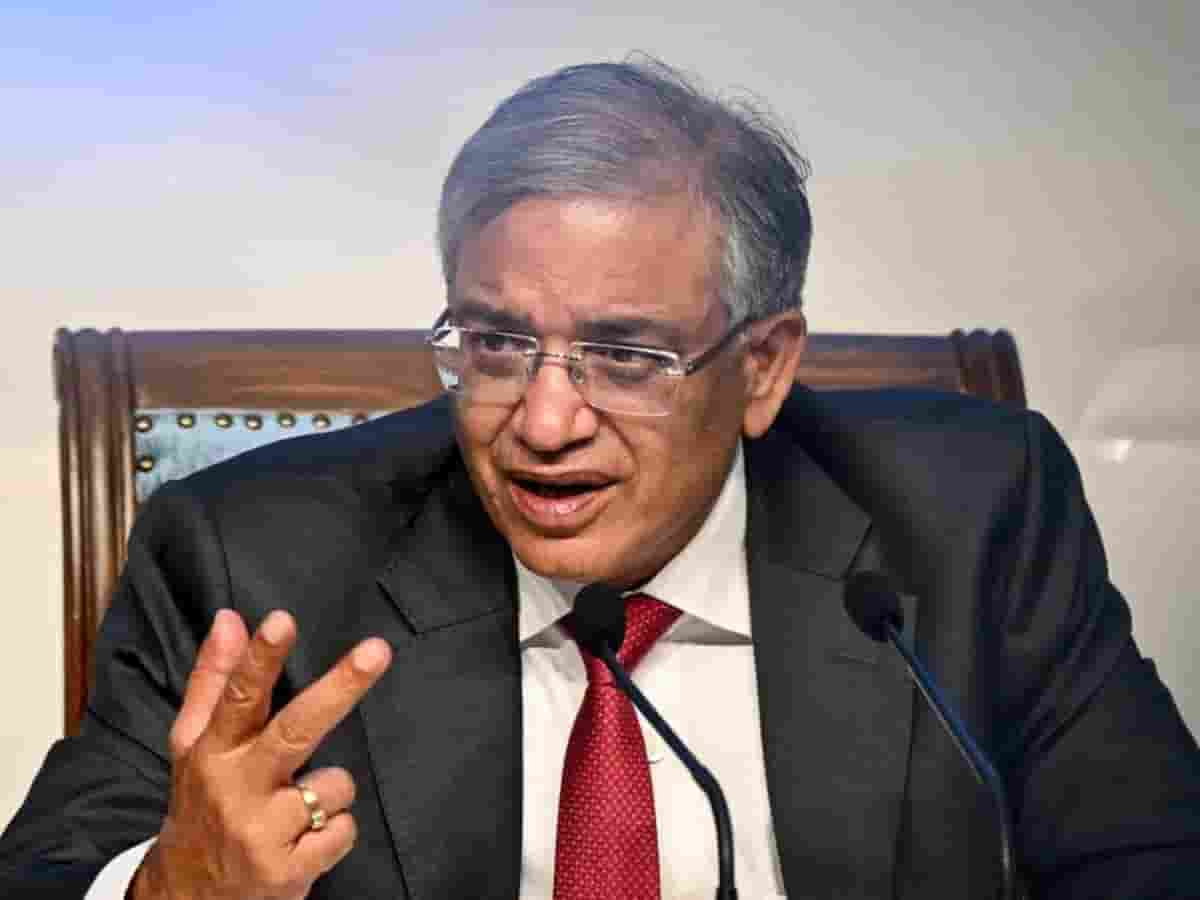
In a major political and administrative development, the Kerala Home Department has directed the Vigilance and Anti-Corruption Bureau (VACB) to conduct a preliminary inquiry into serious bribery allegations and a linked 2006 suicide case involving current Chief Election Commissioner (CEC) Gyanesh Kumar. The directive follows fresh complaints submitted to the state government concerning his tenure as the Public Works Department (PWD) Secretary in Kerala two decades ago. The probe centers around allegations of withheld government bills, a ₹2 crore bribery demand, and the subsequent suicide of a Malaysian project engineer who was leading a World Bank-funded highway development project.
Contractor Files Fresh Complaint Alleging ₹2 Crore Bribery Demand
The immediate trigger for the state government’s action is a formal complaint lodged by a contractor named Sajan on October 23, addressed directly to Kerala Home Minister Ramesh Chennithala. Sajan, who supplied construction materials for the highway project and monitored field operations, worked closely with the Malaysian project manager, Lee See Been. In his petition, the contractor alleged that during Gyanesh Kumar’s term as PWD Secretary in 2006, cheques for bills worth around ₹17 crore—already cleared and approved by on-ground engineers—were deliberately withheld. Sajan claimed that Kumar allegedly demanded a kickback of ₹2 crore to clear the pending disbursements, directly triggering acute financial and psychological distress for the executing team.
What Is the 2006 Suicide Case Involving Engineer Lee See Been?
The core controversy dates back to 2006 during the execution of the Kerala State Transport Project (KSTP), an ambitious World Bank-assisted road upgradation initiative. The contract for upgrading key state highway stretches had been awarded to PATI-BEL, an Indo-Malaysian joint venture between Malaysian infrastructure firm PATI and Indian company Bhageeratha Engineering Ltd. Malaysian civil engineer Lee See Been was deployed to Kerala as the project manager. As administrative logjams and withheld contractor bills created severe liquidity constraints, the joint venture ran into severe execution disputes. Unable to withstand the mounting pressure and operational hurdles, Lee reportedly returned to Malaysia, where he died by suicide. His suicide note reportedly named PWD Secretary Gyanesh Kumar, linking the drastic step to bureaucratic harassment and payment blockades.
Previous Inquiries, Closure Reports, and Why the Case Has Been Reopened
This is not the first time these allegations have surfaced in administrative files. Following the engineer’s death in late 2006, an initial vigilance inquiry was initiated, but it did not progress further after Kumar moved on central deputation to the Ministry of Defence. In subsequent reviews between 2006 and 2012, the anti-corruption agency submitted closure reports citing lack of substantiated evidence, noting the claims as “unproven facts,” which the courts accepted at the time. However, the case gained renewed momentum after Congress leader Malayankeezhu Venugopal submitted an initial complaint, followed by Sajan’s detailed petition. Sajan has stated before the authorities that if a formal probe is conducted, he is ready to produce corroborating evidence and facilitate depositions from the deceased engineer’s family members to aid the investigation.
CEC Remains Silent Amid Escalating Political Scrutiny
The reopening of the two-decade-old case arrives at a sensitive juncture, coinciding with heightened opposition scrutiny and nationwide political debates surrounding the Election Commission of India. While the Kerala government has tasked the VACB with examining the fresh claims alongside historical case diaries, the allegations against Kumar remain officially unproven. Chief Election Commissioner Gyanesh Kumar and the poll body have not issued any official statement or response regarding the vigilance directive. Legal experts note that since preliminary inquiries under the Prevention of Corruption Act examine the threshold veracity of allegations before an FIR is lodged, the forthcoming VACB scrutiny will prove critical in determining whether any actionable evidence exists to substantiate the decade-old charges.