North India Statesman
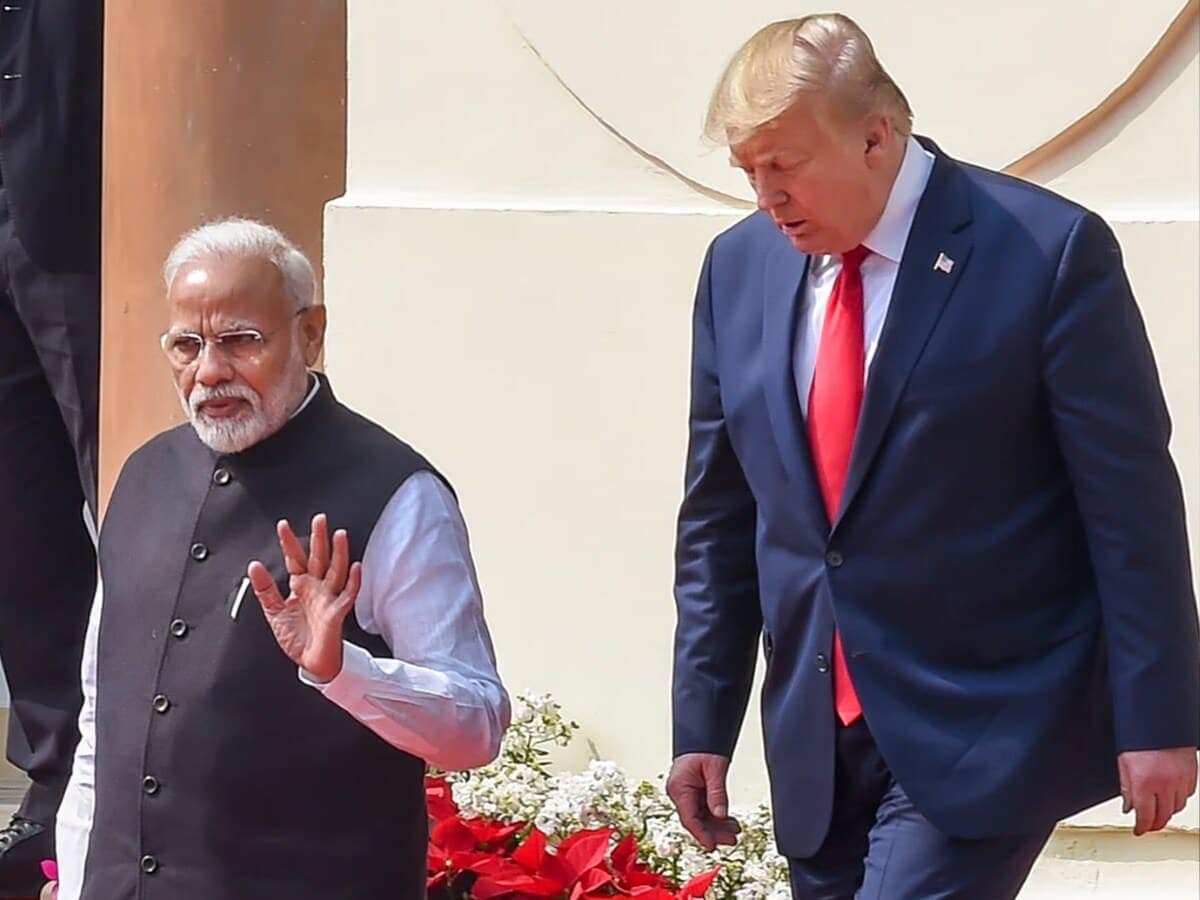
A dramatic shift in the balance of power on Capitol Hill following the US midterm elections—where the Democratic Party reclaimed control of the US Congress—has triggered intense strategic recalibrations across global diplomatic corridors. For policymakers in New Delhi, the political setback dealt to President Donald Trump offers a rare window of diplomatic breathing room. However, while the loss of legislative majorities weakens the administration’s domestic mandate, whether it translates into decisive bargaining power for India during ongoing bilateral trade negotiations remains a complex geopolitical balancing act.
A Check on Unilateralism: Congressional Oversight Softens Tariff Pressures
The primary relief for New Delhi stems from renewed legislative checks and balances in Washington. With the US Congress under Democratic leadership, the Trump administration’s ability to unilaterally ram through punitive reciprocal tariff regimes and sweeping executive trade mandates faces aggressive scrutiny and investigative oversight. For months, India has resisted sustained pressure from the White House to yield on contentious fronts, including:
-
Agricultural & Dairy Market Access: Rejecting US demands to open Indian farm markets for genetically modified (GM) crops, corn, soy, and dairy products that clash with domestic agricultural lobbies and cultural sensitivities.
-
Russian Energy Imports: Navigating threats of secondary trade sanctions and punitive tariff slabs of up to 100% targeting India’s crude oil purchases.
-
Immigration & Tech Mobility: Opposing steep fee hikes on H-1B visa petitions that disproportionately impact Indian IT service providers.
With the legislative branch now empowered to challenge aggressive executive measures, the threat of immediate, unilateral tariff spikes has diminished, reducing the urgency for Indian negotiators to sign an unequal deal under coercion.
Executive Powers Remain Intact: Why Trump Could Double Down on Tariffs
Despite the midterm setback, trade experts and think tanks like the Global Trade Research Initiative (GTRI) caution that a wounded administration could react by doubling down on existing executive authorities. Under US trade law, the President maintains broad latitude to levy tariffs using Section 301 (unfair trade practices) and Section 232 (national security justifications), as well as Treasury sanctions, without needing prior approval from Congress.
Eager to project strength to his domestic voter base and demonstrate tangible economic wins before the end of his term, Trump could increase tariff pressure to force India into a rapid compromise. In this high-stakes scenario, the administration could push for a quick bilateral pact on Washington’s terms, leveraging existing tariff threats as tactical bargaining chips.
The Strategic Sweet Spot: India’s Window to Push for Reciprocal Commitments
For Indian negotiators, the midterm outcome provides an opportunity to pivot from defensive resistance to offensive bargaining. Backed by an economy clocking over 7% annual growth, a critical geopolitical footprint in the Indo-Pacific, and a booming consumer market, India holds cards that the US cannot afford to alienate.
Instead of conceding to asymmetric demands, New Delhi is well-positioned to insist on:
-
Enforceable Reciprocity: Demanding genuine, binding tariff reductions on Indian steel, aluminum, pharmaceuticals, and engineering exports to match any market access offered to US goods.
-
Protection of Sovereign Policy: Ensuring absolute safeguards for domestic agricultural welfare, food security, and long-term energy procurement autonomy.
-
Multilateral Compliance: Aligning all bilateral frameworks strictly with World Trade Organization (WTO) Most Favoured Nation (MFN) guidelines to protect India’s credibility in global commerce.
Ultimately, while the midterm defeat weakens Trump’s legislative momentum, it does not dissolve his executive leverage. For India, the outcome provides tactical space to resist arm-twisting, ensuring that any eventual bilateral trade agreement is struck on terms of mutual reciprocity rather than economic coercion.