North India Statesman
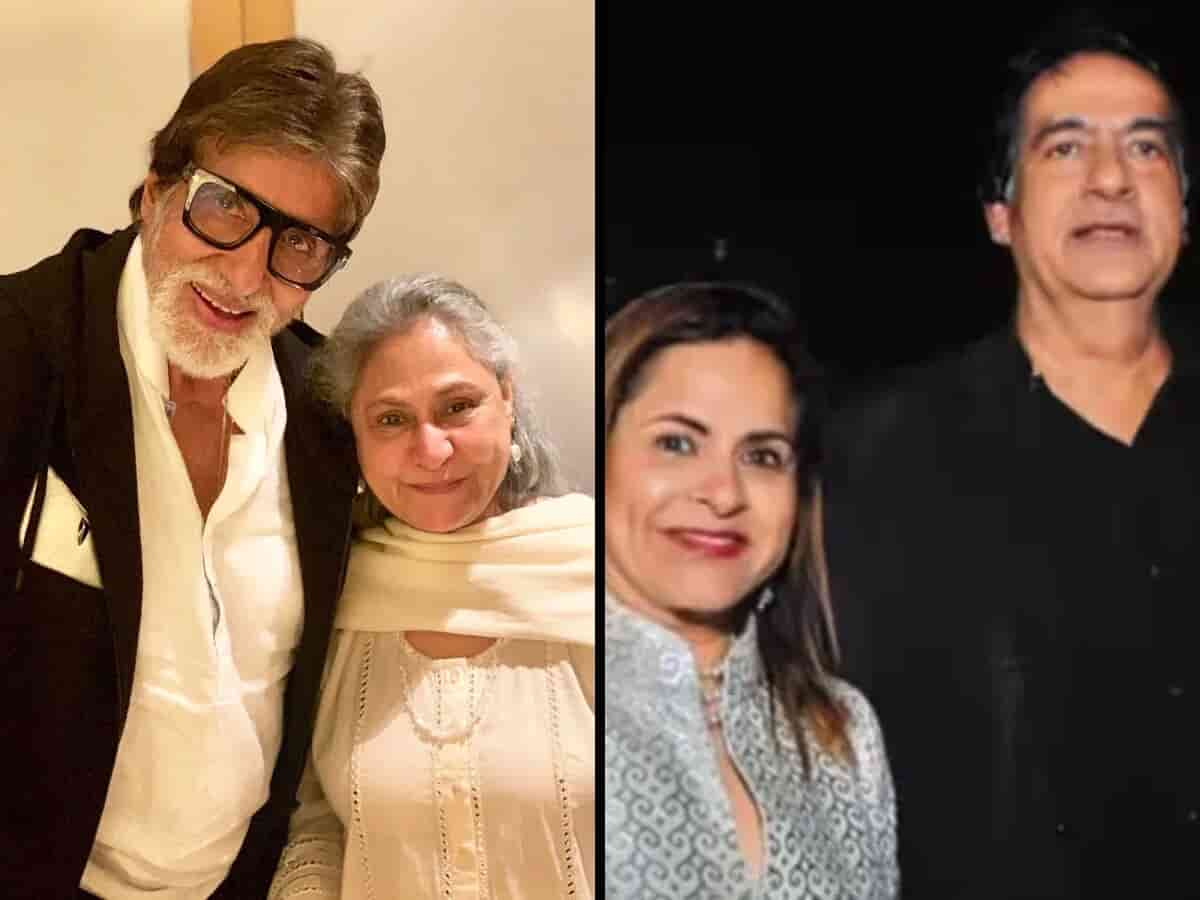
For decades, Sunday afternoons outside Jalsa in Mumbai’s upscale Juhu neighbourhood have symbolised warmth, celebration, and unwavering public devotion, with thousands of fans gathering outside the gates to catch a glimpse of Bollywood megastar Amitabh Bachchan. Behind the iconic facade of the sprawling residence, however, a quiet yet deeply contentious family property dispute has been brewing for months. Ramola Bachchan—wife of Amitabh Bachchan’s younger brother, Ajitabh Bachchan—has formally challenged a 33-year-old gift deed that transferred ownership of the famed bungalow from her name to Jaya Bachchan. According to official complaints lodged with Maharashtra’s registration and co-operative authorities, Ramola has alleged that Jalsa originally stood in her name and was transferred to Jaya Bachchan without her knowledge or consent. As Mumbai’s co-operative housing regulators initiate formal hearings into the decades-old paperwork, the revelations have thrust one of Indian cinema’s most celebrated families into an unexpected legal spotlight.
What Did Ramola Bachchan Claim About Jalsa’s Ownership?
The core of the dispute centres on conflicting property records and a 1993 transfer instrument that Ramola Bachchan insists she never authorised. Over the past seven months, Ramola has submitted multiple representations to state registration officials and co-operative society regulators in Mumbai, asserting that she was completely unaware of any transaction relinquishing her title over the Juhu property. While internal records maintained by the Kapol Housing Society identify veteran actor and Rajya Sabha MP Jaya Bachchan as the rightful owner of the bungalow, the Maharashtra government’s official Property Card continues to carry Ramola Bachchan’s name. According to details reported by Mumbai Mirror, the dormant discrepancy flared into an active legal battle recently following alleged attempts to delete Ramola’s name from the government-issued Property Card and substitute it with Jaya Bachchan’s name. For property law observers in Mumbai, a mismatch between a housing society’s share register and the state revenue department’s Property Card represents a critical title anomaly that requires strict documentary scrutiny.
Irregularities Alleged in the 1993 Gift Deed and Abhay Yojana Filing
Beyond stating that she never consented to parting with the property, Ramola Bachchan has raised pointed technical and statutory objections regarding how the 1993 gift deed was drafted, stamped, and eventually registered. In her formal submissions—which include representations sent to the Inspector General of Registration’s office on August 26 and again in October 2026—Ramola alleged that the purported 1993 gift deed was initially prepared on plain paper rather than requisite stamp paper. Her complaints further claim that no stamp duty was paid at the time of execution and that the document lacked the mandatory signatures of attesting witnesses. Crucially, the complaint notes that the unregistered plain-paper document was presented for official registration 13 years later and subsequently regularised under the Maharashtra government’s Abhay Yojana stamp duty amnesty scheme. Ramola has questioned not only the legal validity of the original 1993 instrument under central property transfer laws, but also the subsequent Declaration Deed and the transfer of co-operative society shares—noting that the housing society itself had remained under government administration until recently due to unrelated administrative irregularities.
Deputy Registrar in Andheri Initiates Formal Hearings
With formal complaints now on record, regulatory authorities in Mumbai’s western suburbs have begun examining the competing claims. The dispute has reached the office of the Deputy Registrar of Co-operative Societies in Andheri, which exercises jurisdiction over housing societies in the Juhu belt. Confirming receipt of the petition, Deputy Registrar Faiyaz Mulani stated that his office received the complaint alleging an improper property transfer roughly a month ago and has formally initiated hearing proceedings. Notices have been issued directing all concerned parties to submit their written replies and supporting title documents, alongside a request for technical clarification from the state registration department regarding the Abhay Yojana regularisation. Meanwhile, the Bachchan household has maintained strict public silence on the controversy. Queries sent to Amitabh Bachchan went unanswered, Jaya Bachchan could not be reached for comment, and a representative for Abhishek Bachchan declined to speak on the matter, describing it as a private, internal family issue.
The Fascinating History of Jalsa: From Mansa to Mumbai Landmark
Estimated in real estate circles to be worth upwards of ₹100 crore, Jalsa has long occupied a storied place in Hindi film history—making the question of how it came to stand in Ramola Bachchan’s name all the more intriguing. Before becoming the primary residence of Amitabh, Jaya, Abhishek, and Aishwarya Rai Bachchan, the two-storey Juhu bungalow was originally named Mansa and belonged to acclaimed filmmaker N.C. Sippy. According to widely documented film industry accounts, Sippy offered the property to Amitabh Bachchan as remuneration after the massive box-office success of their 1982 comedy-drama Satte Pe Satta. Bachchan later sold the bungalow during a transitional phase before repurchasing it at a higher valuation on Jaya Bachchan’s advice, extensively renovating the structure, and renaming it Jalsa. While the family also owns Pratiksha—their older Juhu home, which Amitabh Bachchan gifted to his daughter Shweta Bachchan Nanda—Jalsa has served as the nerve centre of the megastar’s personal and professional life for decades.
What Happens Next in the Jalsa Property Dispute?
As the Deputy Registrar’s office awaits formal responses from Jaya Bachchan, the housing society, and state registration officials, legal experts in Mumbai note that adjudicating a three-decade-old property transfer involves examining original title chains, society share certificates, and statutory compliance under the Maharashtra Co-operative Societies Act and the Registration Act. Because co-operative registrars primarily examine whether society share transfers followed prescribed bylaws, any deeper dispute over the authenticity or execution of the 1993 gift deed could eventually move before a civil court if the parties fail to reach an amicable settlement. For now, the allegations remain untested before authorities, leaving Mumbai’s real estate and entertainment circles watching closely to see how one of Bollywood’s most private families navigates a rare public clash over its most famous address.