North India Statesman
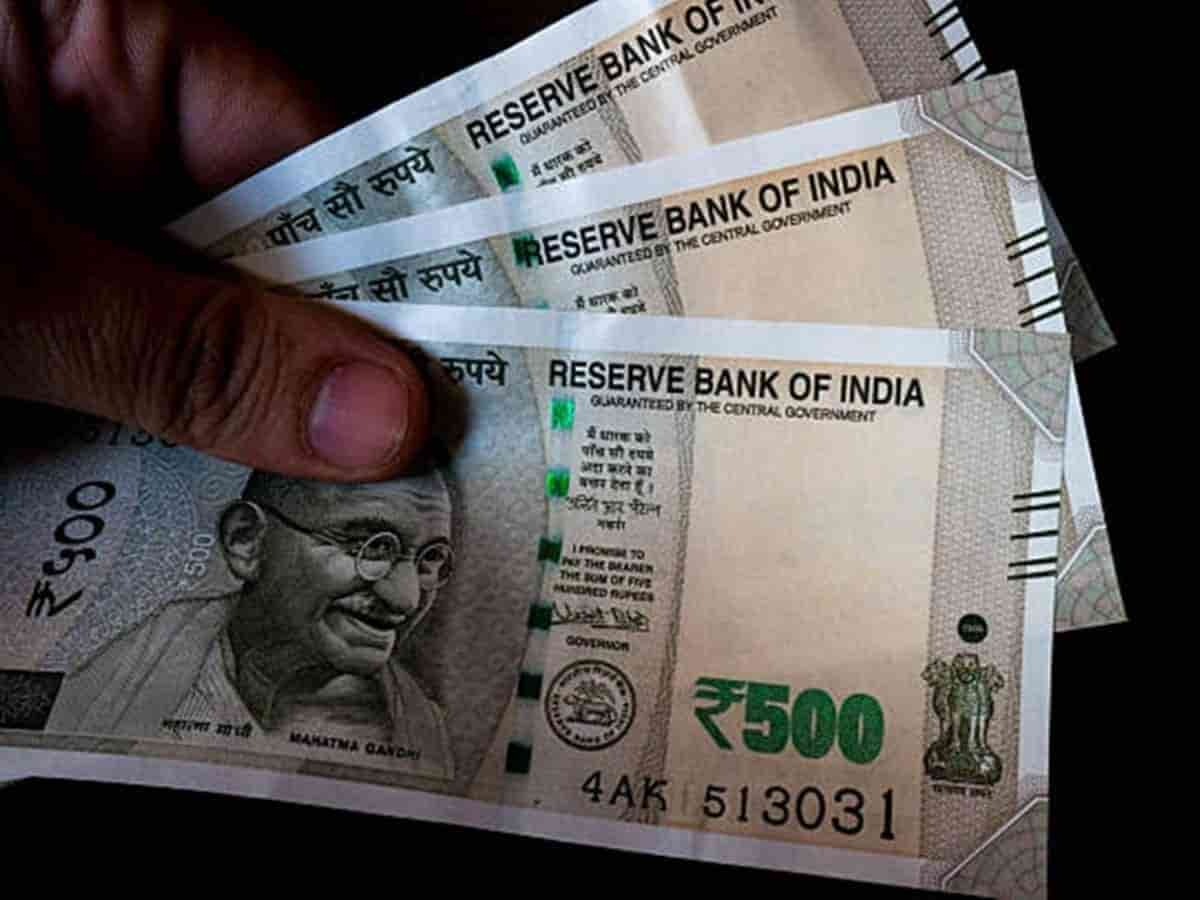
In a major financial boost for government staff and retired personnel, authorities have rolled out a 3 percent increase in Dearness Allowance (DA) and Dearness Relief (DR), raising the effective rate from 60 percent to 63 percent. On Tuesday, November 17, 2026, Odisha Chief Minister Mohan Charan Majhi announced the 3 percent hike for state government employees and pensioners, confirming that the enhanced allowance will be credited in cash alongside the November 2026 salary. The announcement comes just days after the Finance Ministry issued formal implementation orders on November 13 following the Union Cabinet’s approval of an identical 3 percent DA and DR hike for central government employees and pensioners. Together, these back-to-back decisions ensure that millions of serving employees and retirees across New Delhi, Bhubaneswar, Cuttack, Rourkela, and regional centres nationwide will see a noticeable jump in their November take-home pay.
Who Will Benefit From the 3 Percent DA and DR Increase?
The latest round of inflation-linked wage revisions delivers direct relief to two massive cohorts of public sector personnel. In Odisha, Chief Minister Mohan Charan Majhi’s decision benefits approximately 8.5 lakh state government employees and retired pensioners, who will receive the revised 63 percent allowance directly in cash with their November salary cycle. Simultaneously, at the national level, the Union Cabinet’s approval under the 7th Central Pay Commission framework covers roughly 48.54 lakh central government employees and 68.71 lakh central pensioners—totaling more than 1.17 crore beneficiaries. Because official central expenditure orders were uploaded on November 13, central staff and bank-disbursed pensioners are also scheduled to receive their upgraded November payouts and accumulated arrears during the current monthly payroll cycle.
How Retrospective Effective Dates Create a Four-Month Arrears Windfall
What makes the November payout particularly rewarding for both state and central staff is that the 3 percent increase applies retrospectively from July 1, 2026. Rather than adjusting salaries only from the date of announcement, governments revise Dearness Allowance twice every year—effective January 1 and July 1—based on the All-India Consumer Price Index for Industrial Workers. Because the July 2026 instalment was finalized in late October and November, employees and pensioners have accrued four full months of unpaid differential covering July, August, September, and October 2026. As a result, the November salary slip will reflect not only the ongoing 3 percent monthly increment, but also a lump-sum cash arrears payment for the preceding four months.
How Much Extra Money Will Land in Your November Salary?
To understand the exact financial impact, employees can calculate the increase directly against their Basic Pay or Basic Pension, since Dearness Allowance and Dearness Relief are computed strictly as a percentage of basic earnings. For an entry-level Level 1 employee drawing a minimum basic pay of ₹18,000, the jump from 60 percent to 63 percent raises monthly DA from ₹10,800 to ₹11,340—an extra ₹540 per month, plus ₹2,160 in four-month arrears, totaling ₹2,700 in November. For an employee on a basic pay of ₹35,400, the monthly increase equals ₹1,062, translating into ₹4,248 in arrears and ₹5,310 in combined November gains. Similarly, an official with a basic pay of ₹40,000 sees monthly DA climb from ₹24,000 to ₹25,200, delivering an extra ₹1,200 each month alongside ₹4,800 in arrears. For senior personnel earning ₹60,000 in basic pay, the 3 percent hike adds ₹1,800 monthly and ₹7,200 in arrears, yielding a ₹9,000 boost in November alone.
What Employees Should Know About NPS Deductions, HRA, and Income Tax
While the gross addition to November paychecks is substantial, payroll experts note a few statutory adjustments that determine final net take-home pay. For employees covered under the National Pension System, the mandatory 10 percent employee contribution is deducted on Basic Pay plus Dearness Allowance, meaning NPS deductions will rise marginally alongside the higher DA. Meanwhile, House Rent Allowance rates remain unchanged at 30 percent, 20 percent, and 10 percent for X, Y, and Z category cities, as automatic HRA revisions under 7th Pay Commission rules occur only at the 25 percent and 50 percent DA milestones. On the taxation front, Dearness Allowance and arrears are fully taxable as part of salary income, though employees pushed into a higher income tax bracket due to lump-sum arrears can claim relief under Section 89(1) of the Income Tax Act by filing Form 10E before submitting their annual return. For pensioners, banks and pension-disbursing authorities have been directed to release the revised 63 percent Dearness Relief and July-to-October arrears automatically without requiring separate applications.