North India Statesman
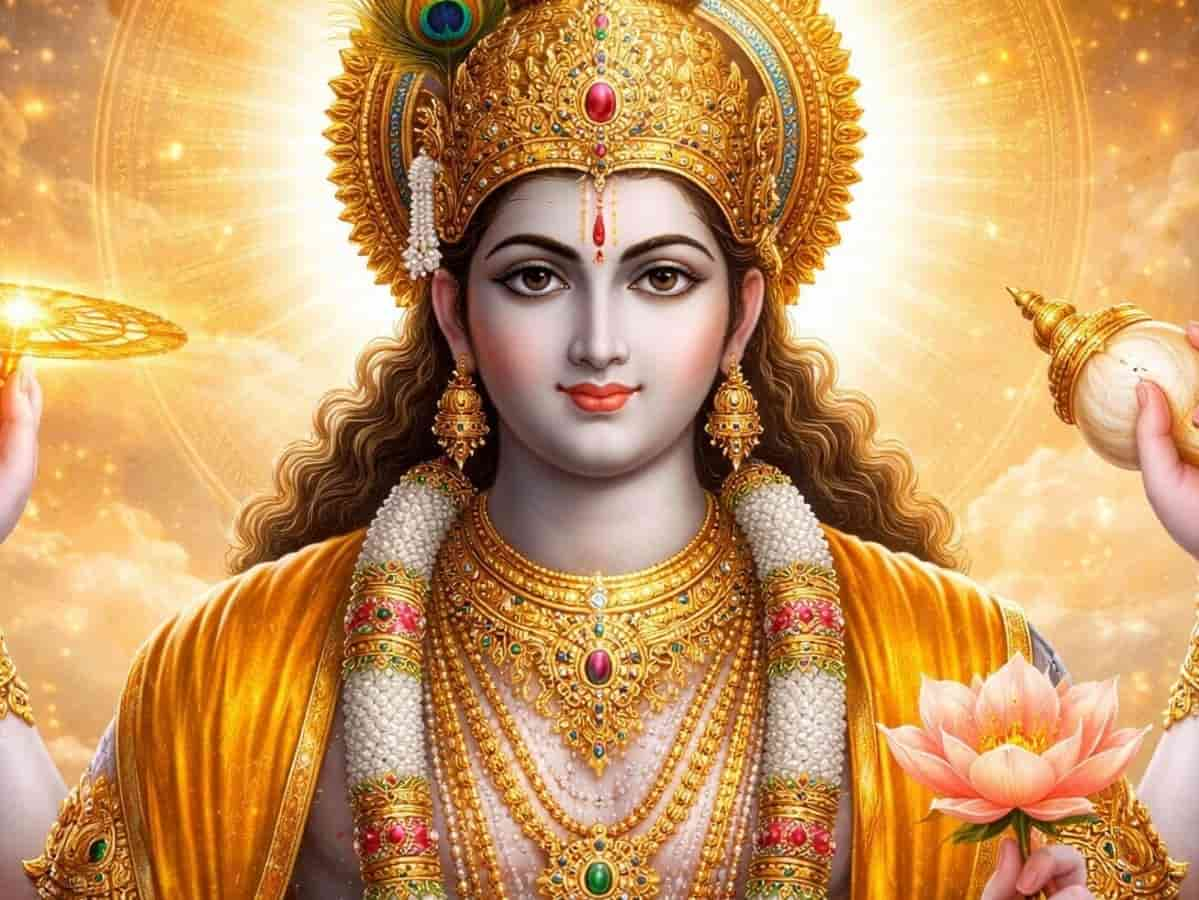
As the sacred month of Kartik reaches its spiritual climax, households across Uttar Pradesh, Bihar, Rajasthan, Madhya Pradesh, Maharashtra, and temples nationwide are preparing for Devuthani Ekadashi—also revered as Prabodhini Ekadashi, Haribodhini Ekadashi, or Dev Gyaras. Marking the auspicious moment when Lord Vishnu awakens from his four-month cosmic slumber known as Yog Nidra, this festival signals the end of Chaturmas and the joyous resumption of weddings, housewarmings, and sacred ceremonies. However, in November 2026, panchang calculations have created a crucial distinction for devotees: while Smarta householders observe the vrat on Friday, November 20, 2026, followers of the Vaishnava and ISKCON traditions will not observe the fast on the 20th, shifting their Ekadashi fast instead to Saturday, November 21, 2026. Understanding both the exact scriptural reason behind this date split and the traditional bhog offered to Lord Vishnu ensures your household worship follows authentic custom.
| Traditional Offering | Symbolic & Seasonal Significance | Key Ritual Rule |
| Sugarcane (Ganna) | Used to construct a sacred canopy (mandap) welcoming Lord Vishnu back to cosmic duty | Placed upright around the puja chowki or Tulsi plant before evening aarti |
| Tulsi Leaves (Tulsi Dal) | Considered indispensable to Lord Vishnu; no bhog is accepted as complete without Tulsi | Must be plucked a day prior on Dashami, as plucking Tulsi on Ekadashi is prohibited |
| Seasonal Harvest Produce | Water chestnuts (singhara), sweet potatoes (shakarkandi), and radishes celebrate autumn harvest | Offered raw or boiled as pure sattvik naivedya |
| Yellow Flowers & Chandan | Yellow marigold, saffron, and sandalwood paste honour Shri Hari’s preferred Pitambara hue | Applied to the idol or Shaligram stone alongside Gangajal |
| Panchamrit & Sweets | Milk, curd, ghee, honey, sugar, makhan-mishri, and jaggery symbolize purity and gratitude | Always avoid rice grains (akshat) in Vishnu worship on Ekadashi; use sesame or flowers instead |
Essential Offerings Made to Lord Vishnu on Devuthani Ekadashi
In Hindu household traditions from Lucknow, Unnao, and Varanasi to Mathura and Jaipur, the offerings presented on Devuthani Ekadashi blend ancient Vaishnava devotion with North India’s winter harvest. The centrepiece of the evening ritual is fresh sugarcane (ganna). Families tie four or five sugarcane stalks together over a wooden chowki or around the courtyard Tulsi planter to form a miniature wedding pavilion, symbolizing prosperity and sweet new beginnings. Beneath this sugarcane mandap, devotees place seasonal autumn produce—most notably water chestnuts (singhara), sweet potatoes (shakarkandi), radishes (mooli), gooseberries (amla), ber, and seasonal fruits. Alongside harvest items, Lord Vishnu and Goddess Lakshmi are offered panchamrit, yellow sweets such as besan or mawa laddoos, makhan-mishri, jaggery, yellow marigold flowers, sandalwood paste, and fragrant incense. Crucially, every food offering must carry a sacred Tulsi leaf, plucked on Dashami evening, and devotees strictly avoid offering rice grains to Lord Vishnu on Ekadashi.
Why the Ekadashi Fast Is Not Observed on November 20 by Everyone
Many devotees checking their calendars have wondered why several temples and Vaishnava panchangas state that the Ekadashi fast is not kept on Friday, November 20, 2026. According to Vedic panchang timings, Kartik Shukla Ekadashi Tithi begins at 7:15 AM on November 20 and concludes at 6:31 AM on Saturday, November 21. Because Ekadashi Tithi starts after sunrise on November 20, the morning sunrise of the 20th is technically governed by Dashami Tithi—a condition known in scripture as Dashami-viddha Ekadashi. Under Smarta rules followed by most general householders, Ekadashi is observed on November 20 because the tithi prevails throughout the day and evening. Conversely, Vaishnava sampradayas and ISKCON temples strictly prohibit fasting on any day touched by Dashami at sunrise, observing their Ekadashi vrat on Saturday, November 21, when Ekadashi is present at dawn.
Evening Awakening Rituals and Tulsi Vivah Celebrations
Whether a family observes the fast on November 20 or November 21, the evening worship carries deep emotional warmth. Using rice flour or red ochre (geru), elders draw tiny symbolic footprints of Lord Vishnu leading from the main threshold into the prayer room. At dusk, devotees light rows of pure desi ghee diyas, blow conch shells, ring temple bells, and gently tap a metal plate while chanting traditional awakening hymns calling upon Govinda to rise from sleep. Across many regions, this occasion also marks Tulsi Vivah—the ceremonial wedding of Goddess Tulsi, adorned in a red chunari and bridal bangles, with Lord Shaligram—celebrated on Dwadashi, Saturday, November 21, 2026, during the evening Godhuli muhurat.
Parana Timings and Rules for Breaking the Fast
Completing Devuthani Ekadashi properly requires breaking the fast—known as Parana—within the prescribed Dwadashi window while avoiding Hari Vasara, the first quarter of Dwadashi tithi. For Smarta devotees fasting on Friday, November 20, Hari Vasara ends at 12:07 PM on Saturday, November 21, opening the auspicious Parana window between 1:11 PM and 3:18 PM. For Vaishnava devotees observing the fast on Saturday, November 21, Parana takes place the following morning on Sunday, November 22, between 6:49 AM and 8:56 AM. Before consuming food, devotees offer water, Tulsi leaves, and sattvik prasad to Lord Vishnu and donate grains, seasonal fruits, or warm clothes to those in need, welcoming the festive wedding season with gratitude and devotion.