North India Statesman
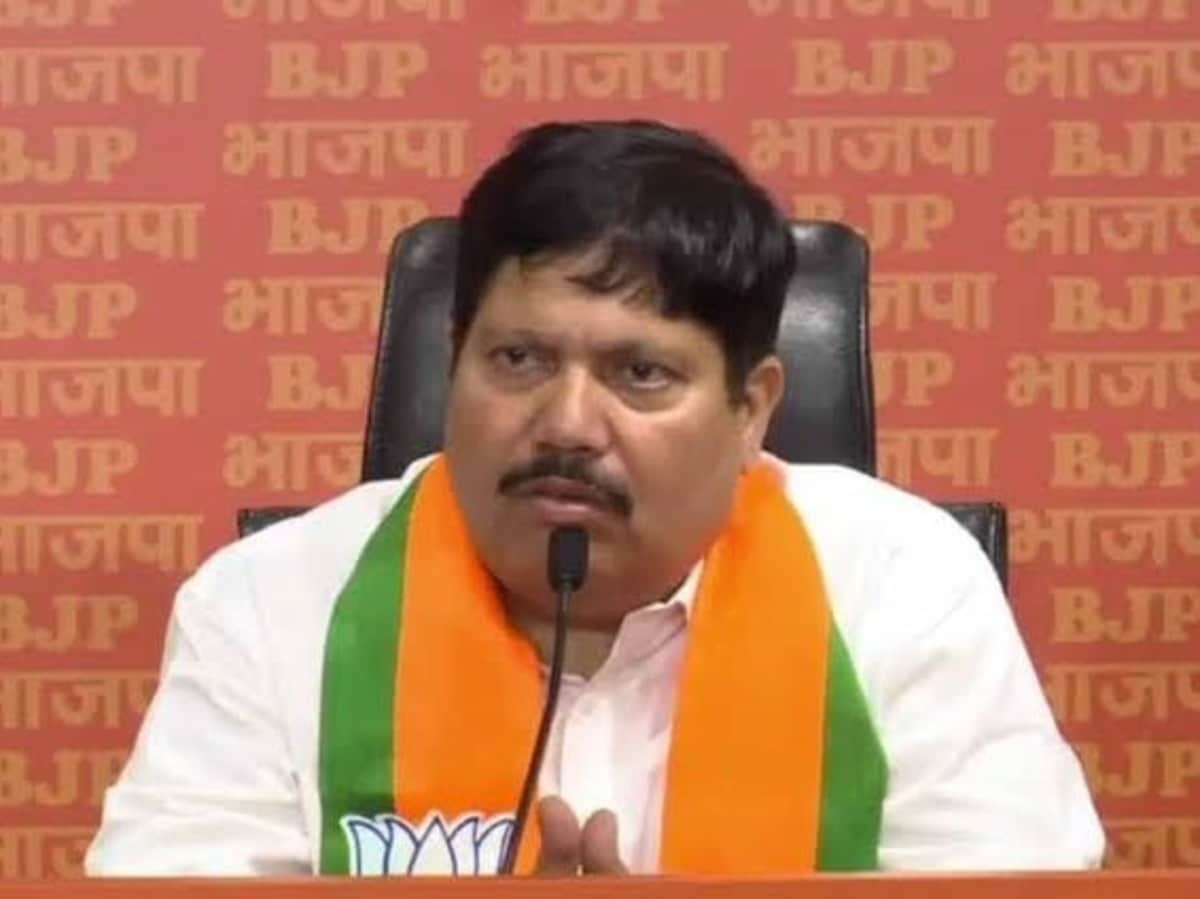
A heated political controversy has erupted across West Bengal after a Bharatiya Janata Party (BJP) minister reportedly stated that both Christianity and Islam pose a threat to the country. The remark, which quickly circulated across news channels and social media platforms on Tuesday, November 17, 2026, drew immediate and sharp condemnation from West Bengal’s ruling Trinamool Congress (TMC), opposition parties, religious leaders, and civil society groups in Kolkata and several districts. While supporters of the minister argued that the comment was aimed at highlighting concerns over demographic shifts and alleged illegal religious conversions, critics across the political spectrum accused the leader of violating constitutional values and attempting to polarize voters ahead of upcoming electoral battles in the state.
How the Statement Emerged and Spread Across Political Circles
According to political observers and media reports circulating in Kolkata, the controversy began when clips and transcripts of the BJP minister’s address at a public gathering began trending online. During the speech, the minister allegedly remarked that both Christianity and Islam represent a threat to the nation, framing the assertion around cultural preservation and national security. Within hours of the video gaining traction, senior leaders of the Trinamool Congress shared the clip on digital platforms, demanding an immediate apology and disciplinary action from the BJP’s central leadership. Across major urban and semi-urban centres including Kolkata, Howrah, Siliguri, Asansol, and Durgapur, local political units weighed in on the controversy, turning the statement into the dominant talking point of the day.
Sharp Backlash From Trinamool Congress and Opposition Parties
Leaders of the Trinamool Congress launched a fierce counter-offensive against the BJP, arguing that such remarks run directly counter to the pluralistic heritage of West Bengal and the ethos of the Indian Constitution. Senior TMC spokespersons stated that West Bengal has historically been a land of cultural harmony where Hindu, Muslim, Christian, Sikh, and Buddhist communities have celebrated festivals together for centuries. They alleged that whenever the BJP faces questions on unemployment, inflation, or central fund allocations for the state, its leaders resort to divisive rhetoric targeting minority communities. Echoing similar concerns, representatives from the Indian National Congress and the Left Front in West Bengal also criticized the minister’s statement, calling upon constitutional authorities and the Election Commission to take cognizance of speeches that could disturb social harmony.
How BJP Leaders and Supporters Defended the Context of the Speech
On the other hand, several BJP functionaries and supporters in West Bengal pushed back against the criticism, claiming that political opponents were selectively clipping the minister’s words out of their broader context. According to statements issued by party defenders, the minister’s remarks were directed specifically against forced or fraudulent religious conversions, cross-border infiltration, and external ideological influences rather than law-abiding Indian citizens following Christianity or Islam. BJP leaders further accused the Trinamool Congress of practicing selective outrage and appeasement politics while ignoring alleged law-and-order challenges in border districts of North 24 Parganas, Murshidabad, and Malda. They maintained that raising concerns about cultural identity and border security is a legitimate political issue in a democracy.
Reactions From Religious Leaders, Educators, and Civil Society in Kolkata
Beyond party headquarters in Kolkata, the minister’s statement prompted thoughtful responses from religious organizations, academics, and legal commentators across West Bengal. Representatives of Christian educational and charitable institutions in Kolkata—which have operated schools, colleges, and hospitals in the state for generations—expressed disappointment over being painted as a threat to the nation they serve. Similarly, Muslim community elders and social workers emphasized that millions of Indian Muslims and Christians have contributed to India’s freedom struggle, armed forces, science, arts, and economy. Constitutional scholars pointed out that Articles 25 to 28 of the Indian Constitution guarantee freedom of conscience and the right to freely profess, practice, and propagate religion, making broad generalizations against entire faiths deeply sensitive in public discourse.
What This Controversy Means for West Bengal’s Political Landscape
Political analysts tracking West Bengal note that controversies centered on religious identity frequently sharpen ideological lines in the state, yet they also carry distinct electoral risks. In a state with diverse demographics spanning rural belts from Nadia and Birbhum to the tea gardens of North Bengal and metropolitan constituencies in Kolkata, polarizing statements often trigger intense counter-mobilization. While the Trinamool Congress appears determined to use the episode to reinforce its positioning as a defender of communal harmony and regional identity, the BJP faces the delicate task of balancing assertive cultural messaging with broader outreach to undecided voters. As political reactions continue to unfold across West Bengal, the uproar underscores how sensitive remarks on religion remain a flashpoint in the state’s fiercely contested public arena.