North India Statesman
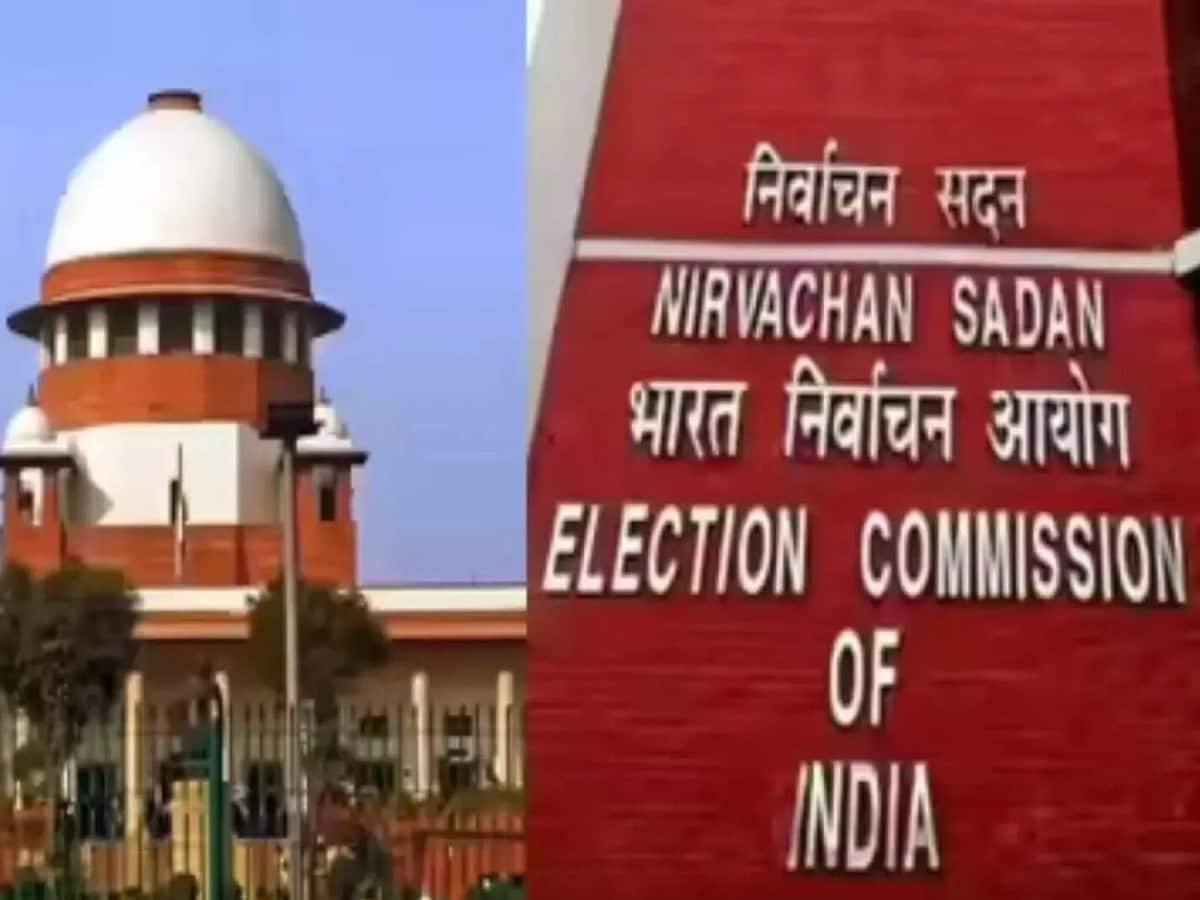
A fierce courtroom showdown over how India’s electoral rolls are being revised took centre stage at the Supreme Court in New Delhi on Tuesday, November 17, 2026, sparking widespread debate across political and legal circles. While viral social media posts and rapid commentary attributed the remark that the Election Commission failed to provide proof of a unanimous Special Intensive Revision (SIR) decision directly to the bench, court records clarify that the assertion came from petitioners—including Lok Sabha Leader of the Opposition Rahul Gandhi, senior INDIA bloc leaders, and advocate-petitioner Rakesh Kumar Singh—in sworn rejoinder filings before the apex court. Taking up the pleas, a three-judge bench headed by Chief Justice of India (CJI) Surya Kant, alongside Justices Joymalya Bagchi and V. Mohana, sought the Election Commission of India’s formal response to an application seeking to serve 48 detailed interrogatories on the poll panel and scheduled the next hearing for December 9, 2026.
Why Petitioners Questioned the Election Commission’s Claim of Unanimity
The legal dispute stems from the Election Commission of India’s counter-affidavit filed on October 26, 2026, in which Deputy Election Commissioner Bhanu Prakash Yeturu stated on behalf of the poll body that all three major SIR orders—dated June 24, 2025, October 27, 2025, and May 14, 2026—were adopted unanimously by Chief Election Commissioner Gyanesh Kumar and Election Commissioners Sukhbir Singh Sandhu and Vivek Joshi. In their rejoinder affidavits submitted ahead of Tuesday’s hearing, petitioners argued that a bare assertion of unanimity in an affidavit does not constitute legal proof. Rahul Gandhi’s filing pointed out that the Commission’s response contained no minutes of meetings, file notings, or dated signatures demonstrating when and how all three commissioners approved the nationwide Special Intensive Revision. Echoing that contention, petitioner Rakesh Kumar Singh submitted that administrative practice cannot substitute statutory authority under Article 324 of the Constitution and Section 18 of the Chief Election Commissioner and Other Election Commissioners Act, 2023.
Inside the 48 Questions Sought Against the Poll Panel
During Tuesday’s proceedings before Chief Justice Surya Kant’s bench, opposition leaders pressed for judicial permission to serve 48 specific interrogatories aimed at examining the internal decision-making records of the Election Commission between February 2025 and October 2026. Alongside Rahul Gandhi and Congress President Mallikarjun Kharge, the joint application includes leaders from across India’s regional political landscape, such as Samajwadi Party chief Akhilesh Yadav in Uttar Pradesh, Trinamool Congress MP Saugata Roy in West Bengal, RJD leader Tejashwi Prasad Yadav in Bihar, Shiv Sena (UBT) MP Sanjay Raut, CPI(M) general secretary MA Baby, CPI’s D Raja, NCP (SP) MP Supriya Sule, and JMM’s Mahua Majhi. Their questions ask whether Election Commissioners Sandhu and Joshi ever recorded written objections, reservations, or dissent notes regarding the SIR drive, the ECINET digital portal, and online modifications to Form 6 voter registration applications. The petitioners also highlighted an apparent contradiction between the ECI’s assertion of a June 24, 2025 decision for a nationwide SIR and earlier Right to Information responses indicating that no such decision file existed at that stage.
How the Election Commission Defended Its Decision-Making Process
On the other side of the legal battle, the Election Commission of India has strongly rejected allegations of unilateral functioning or procedural opacity. In its submissions before the Supreme Court, the constitutional body maintained that internal queries, technical notes, and differing viewpoints during deliberations are routine features of a multi-member commission before a collective consensus is reached. Explaining its administrative workflow, the ECI stated that files requiring approval circulate sequentially to both Election Commissioners and finally to the Chief Election Commissioner, after which the Secretariat records the approved decision and obtains signatures prior to implementation. The Commission also denied altering statutory Form 6 without authority, clarifying that additional declarations on its online portal were administrative safeguards designed to verify voter eligibility and prevent duplicate entries, while assuring the bench on November 15 that voters dropped from draft rolls would not face criminal prosecution for submitting fresh Form 6 applications.
Why the Nationwide Electoral Roll Revision Matters to Millions of Voters
Beyond constitutional technicalities, the outcome of the Supreme Court scrutiny carries profound practical consequences for voters across Uttar Pradesh, Bihar, West Bengal, Delhi, Kerala, Chhattisgarh, and Goa. According to official figures placed on record during the ongoing litigation, the intensified revision drive has resulted in the deletion of over 13 crore names from electoral rolls across multiple states—including roughly 2.05 crore deletions in Uttar Pradesh, 25 lakh in Chhattisgarh, and nine lakh in Kerala—as the Commission seeks to remove deceased voters, duplicate entries, and ineligible names amid rapid urbanization and migration. While the Supreme Court previously upheld the ECI’s broad constitutional mandate to purify electoral rolls in its May 27, 2026 judgment on the Bihar revision, petitioners have flagged localized concerns ranging from left-out electors in Goa to unauthorized appellate filings in West Bengal. As the Election Commission prepares its formal reply ahead of the December 9 hearing, legal observers note that the apex court’s upcoming review will test how transparency and collective institutional accountability are enforced inside one of India’s most vital democratic bodies.