North India Statesman
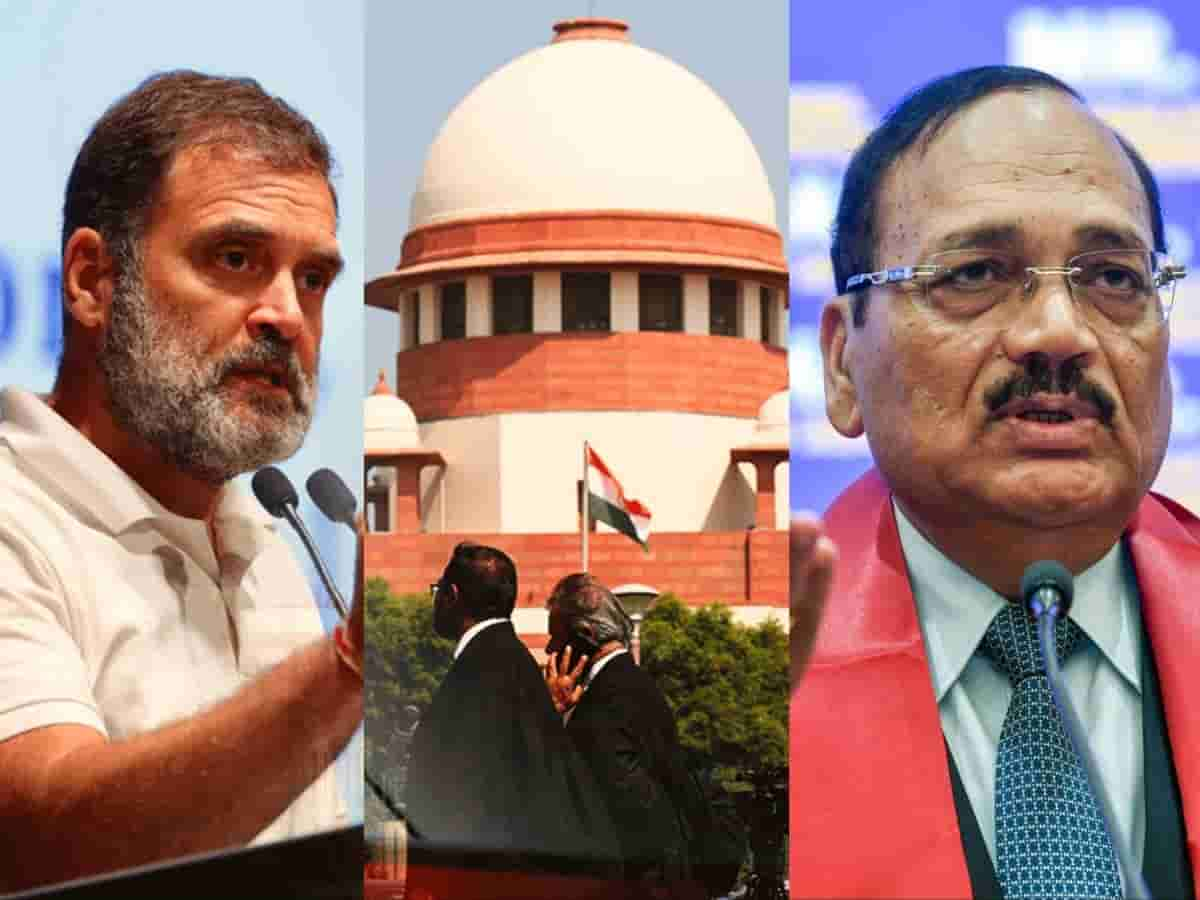
The Supreme Court of India has declined to immediately allow Leader of the Opposition Rahul Gandhi and a coalition of opposition leaders to serve 48 formal written questions on the Election Commission of India (ECI), making clear that no call will be taken until the poll body places its objections on record. Hearing the matter in New Delhi on Tuesday, November 17, 2026, a three-judge bench presided over by Chief Justice of India (CJI) Surya Kant—alongside Justices Joymalya Bagchi and V. Mohana—postponed deliberations on the application until December 9, 2026. The interlocutory application, moved by Rahul Gandhi and 12 other senior INDIA bloc leaders, seeks sworn answers from Chief Election Commissioner Gyanesh Kumar, Election Commissioners Sukhbir Singh Sandhu and Vivek Joshi, and Director General (Information Technology) Seema Khanna regarding the controversial Special Intensive Revision (SIR) of electoral rolls. After Senior Advocate Harish Salve, appearing for the ECI, warned that allowing such interrogatories would cause “very serious prejudice” to the constitutional body, CJI Surya Kant remarked bluntly that the Commission is free to file its objections and the Court will examine the issue thoroughly before taking a call.
What Happened Inside the Supreme Court on November 17
During Tuesday’s proceedings in courtroom number one, Senior Advocate Kapil Sibal—representing Rahul Gandhi and the opposition petitioners—urged the bench to issue notice on the fresh application seeking permission to deliver 48 interrogatories to the Election Commission. Sibal contended that while the ECI had filed two counter-affidavits in response to the Court’s October 15 notice, those submissions omitted critical administrative details regarding how sweeping changes to voter registration and electoral roll deletions were approved. However, Senior Advocate Harish Salve strongly opposed issuing any direction or notice on the questions at this stage, submitting that the Commission had serious reservations and that serving such a questionnaire would result in “very serious prejudice”. Accepting the poll panel’s plea to be heard first, CJI Surya Kant declined to issue formal notice on the interrogatories application, stating clearly: “Whatever it is, you may file your reply. You can raise your objections. We will examine the interrogatories issue and then take a call”. The bench accordingly granted the ECI liberty to file its written objections and listed the matter for hearing on December 9.
What Are the 48 Questions Rahul Gandhi Wants the ECI to Answer?
In legal terminology, interrogatories are formal written questions served by one party in a lawsuit on the opposing side requiring sworn responses on affidavit. According to court filings settled through Advocate-on-Record Prasanna S., the 48 questions compiled by the opposition leaders target four core areas of the Election Commission’s internal decision-making during the Special Intensive Revision exercise:
-
Unanimity vs. Dissent Inside the Commission: Petitioners have asked for exact approval dates, file numbers, official meeting minutes, and records clarifying whether SIR directives were passed unanimously by the three-member Commission or if any Election Commissioner recorded modifications or dissent notes.
-
Informal Approval Channels: The application specifically probes whether urgent regulatory clearances or directions during the revision drive were obtained informally over WhatsApp messages or personal email accounts rather than formal administrative files.
-
Form 6 Amendments and Voter Deletions: The leaders seek disclosure of who authorized inserting an additional declaration into online Form 6 for new voter registrations, alongside state-wise data on voters dropped between draft and final electoral rolls.
-
Form 7 Objections and ECINET Operations: Questions also demand data on mass Form 7 deletion objections filed by individual objectors or Booth Level Agents, instances involving non-existent or fictitious objectors, action initiated under Section 31 of the Representation of the People Act, and access protocols governing the ECINET digital platform.
Why Opposition Leaders Moved the Apex Court Over Electoral Rolls
The legal battle stems from a broader writ petition filed in October 2026 by a united front of opposition figures—including Rahul Gandhi, Congress President Mallikarjun Kharge, Samajwadi Party chief Akhilesh Yadav, RJD leader Tejashwi Prasad Yadav, Trinamool Congress MP Saugata Roy, Shiv Sena (UBT) leader Sanjay Raut, NCP (SP) MP Supriya Sule, CPI(M) leader M.A. Baby, CPI leader D. Raja, JMM’s Mahua Majhi, and IUML’s Mohammed Basheer. Across states from Uttar Pradesh and Bihar to West Bengal and Maharashtra, opposition parties have alleged that opaque procedures during the Special Intensive Revision led to arbitrary voter deletions and administrative overreach. The Election Commission, for its part, has denied any wrongdoing in its earlier affidavits, maintaining that all SIR decisions were taken unanimously by the three-member Commission and that additional declarations did not alter statutory forms. Petitioners have further requested that if the poll panel claims privilege over any internal document, it must state specific legal grounds for each record so the Supreme Court can adjudicate those claims.
Why the December 9 Hearing Matters for Indian Democracy
The Supreme Court’s upcoming hearing on December 9, 2026, carries major institutional and political weight ahead of crucial state assembly elections scheduled across India in early 2027. At stake is the delicate constitutional balance between safeguarding the functional autonomy of the Election Commission of India under Article 324 and ensuring transparency and public confidence in the integrity of India’s voter rolls. If the three-judge bench permits even a portion of the 48 interrogatories to be served, the poll panel will be required to place granular internal records on sworn affidavit; conversely, if the Court upholds Harish Salve’s objections, the petitioners will have to argue their challenge based on existing pleadings. Until December 9, both legal observers in New Delhi and voters across the country will be watching closely as the nation’s highest court weighs how far judicial scrutiny should reach into the internal deliberations of India’s electoral watchdog.