North India Statesman
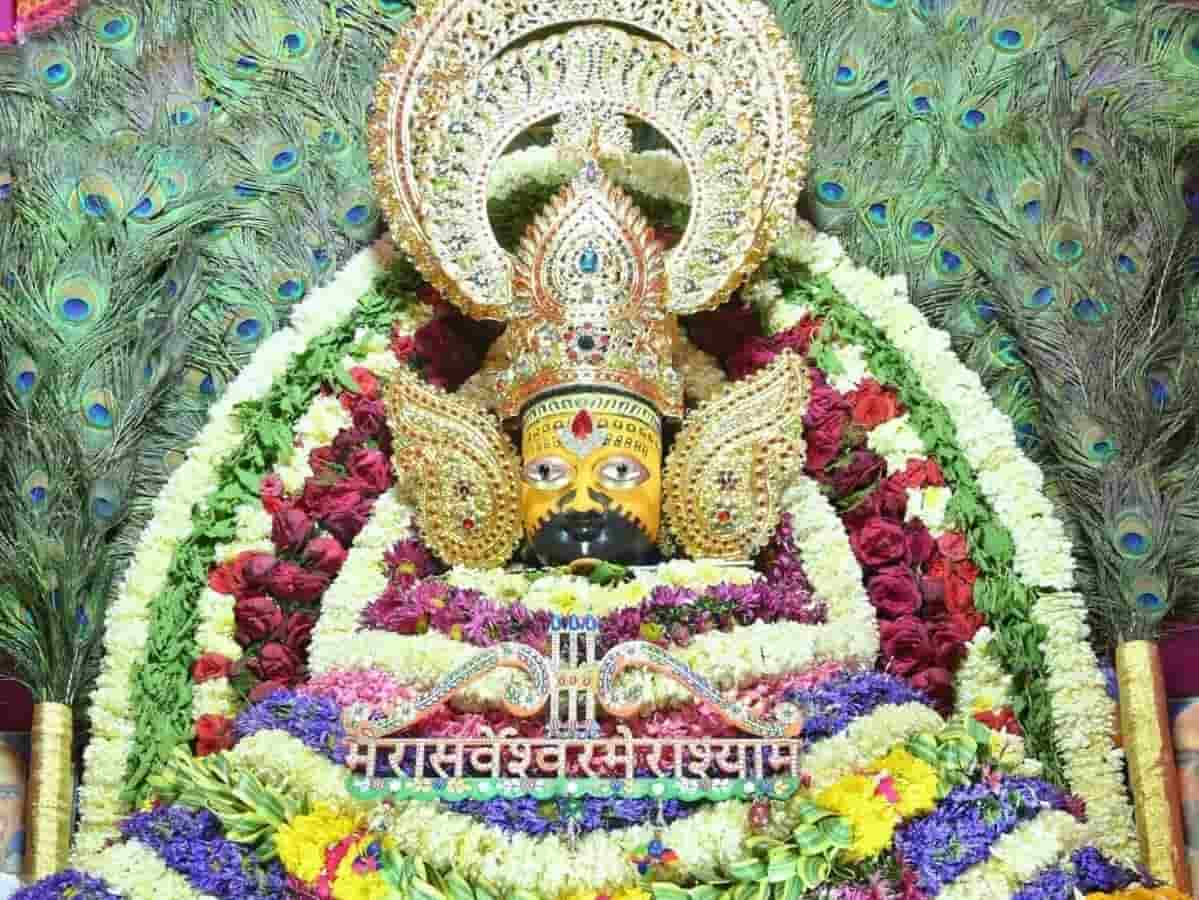
Across temples in Sikar, Jaipur, Delhi, Lucknow, and homes throughout India, devotees of Baba Khatu Shyam—revered affectionately as “Haare Ka Sahara” (the support of the defeated)—regard natural perfume, or itra, as an indispensable part of his daily worship. Especially on sacred occasions like Kartik Shukla Ekadashi (Dev Uthani Ekadashi), which is celebrated nationwide as Baba Khatu Shyam’s Janmotsav, offerings of fresh roses, sweets, and pure itra fill prayer spaces with a distinct devotional aroma. According to Vaishnava traditions and temple customs in Rajasthan, Baba Khatu Shyam is worshipped as the Kali Yuga manifestation of Lord Krishna, receiving the sacred boon from Shri Krishna that he would be revered in Krishna’s own name and divine form. Just as fragrant sandalwood, blossoms, and natural attars play a central role in Lord Krishna’s ceremonial adornment (shringar), offering itra to Baba Khatu Shyam symbolizes purity, surrender, and heartfelt love. Traditional lore further connects this custom to Barbarika’s childhood, recounting his deep fondness for a lush rose garden near his birthplace where he spent hours surrounded by blooming flowers. Because of this enduring association, devotees and temple priests consider Baba’s shringar and worship incomplete without a touch of pure rose or sandalwood itra.
First Benefit: Attracts Peace, Positivity, and Domestic Harmony
Spiritual practitioners and longtime devotees emphasize that the foremost benefit of offering itra to Baba Khatu Shyam is the cultivation of mental peace and emotional harmony within the household. In Vedic and devotional traditions, pure botanical fragrances are believed to uplift subtle energies, cleanse stagnant negativity from living spaces, and calm an anxious mind. When a devotee offers alcohol-free rose or sandalwood itra at the altar during morning or evening aarti, the soothing aroma transforms the prayer room into a serene sanctuary conducive to focused meditation and bhajan. Families who regularly incorporate itra into their Shyam Baba puja report that it fosters mutual understanding, reduces household friction, and nurtures a warm, cooperative atmosphere among family members. Rather than acting as a mere ritual formality, the fragrance serves as a sensory anchor that shifts attention away from daily stress and aligns the household with gratitude and inner stillness.
Second Benefit: Helps Unblock Stalled Work and Fulfill Sincere Wishes
A second widely held belief among followers of Baba Khatu Shyam is that offering pure itra with unwavering faith helps clear persistent obstacles and accelerates long-pending tasks. Devotees facing prolonged career hurdles, financial delays, legal complications, or personal setbacks frequently visit Khatu Dham in Rajasthan’s Sikar district—or pray before Baba’s image at home—with a small vial of rose or sandalwood itra. According to established devotional custom, presenting itra alongside a sincere prayer (arji) symbolizes offering one’s purest intentions at the feet of “Lakhdatar,” the generous bestower who grants blessings in abundance. Many worshippers also follow the cherished tradition of returning to offer a pair of itra bottles in thanksgiving once their heartfelt wish is fulfilled. Spiritual guides note that while faith and righteous effort remain paramount, this symbolic offering strengthens a devotee’s resolve, relieves mental burden, and instills renewed confidence to overcome seemingly insurmountable challenges.
Third Benefit: Enhances Social Respect, Reputation, and Goodwill
Beyond inner tranquility and obstacle removal, offering itra to Baba Khatu Shyam is closely linked in traditional belief with growth in social respect, dignity, and professional recognition. Just as fragrance naturally spreads outward and leaves a lasting, pleasant impression wherever it travels, offering pure itra to the deity is seen as a prayer for one’s character, integrity, and hard work to earn genuine appreciation in society. Devotees engaged in business, public service, and creative professions often incorporate itra into their Ekadashi and weekly puja routines to seek Baba’s grace for credibility and goodwill among peers and communities. Temple elders point out that true prestige in Shyam bhakti stems from humility, honesty, and service to others—qualities mirrored by the gentle, uplifting nature of natural itra.
How to Offer Perfume to Baba Khatu Shyam Respectfully and Safely
To honor both spiritual tradition and modern temple safety guidelines, devotees should follow a simple, mindful method when offering itra at home or during a pilgrimage to Khatu Shyam Ji. Always choose pure, alcohol-free natural attar—such as traditional Kannauj rose, sandalwood (chandan), mogra, or saffron (kesar)—and avoid synthetic, alcohol-based sprays. During home worship, bathe and clean the altar area, light a pure cow-ghee lamp and incense, and apply one or two drops of itra onto a clean piece of cotton wool or the corner of the sacred altar cloth rather than pouring liquid directly onto delicate photographs or idols. When visiting crowded shrines in Sikar or local Shyam temples across northern India, temple committees strongly advise devotees never to toss glass itra bottles toward the sanctum or queue barriers, as shattered glass poses a serious injury risk to fellow pilgrims. Instead, hand the sealed vial respectfully to authorized temple volunteers or apply a subtle drop to your own wrist after prayers as blessed prasad. Approached with sincerity, restraint, and genuine devotion, this timeless fragrant offering deepens every devotee’s spiritual connection with Baba Khatu Shyam.