North India Statesman
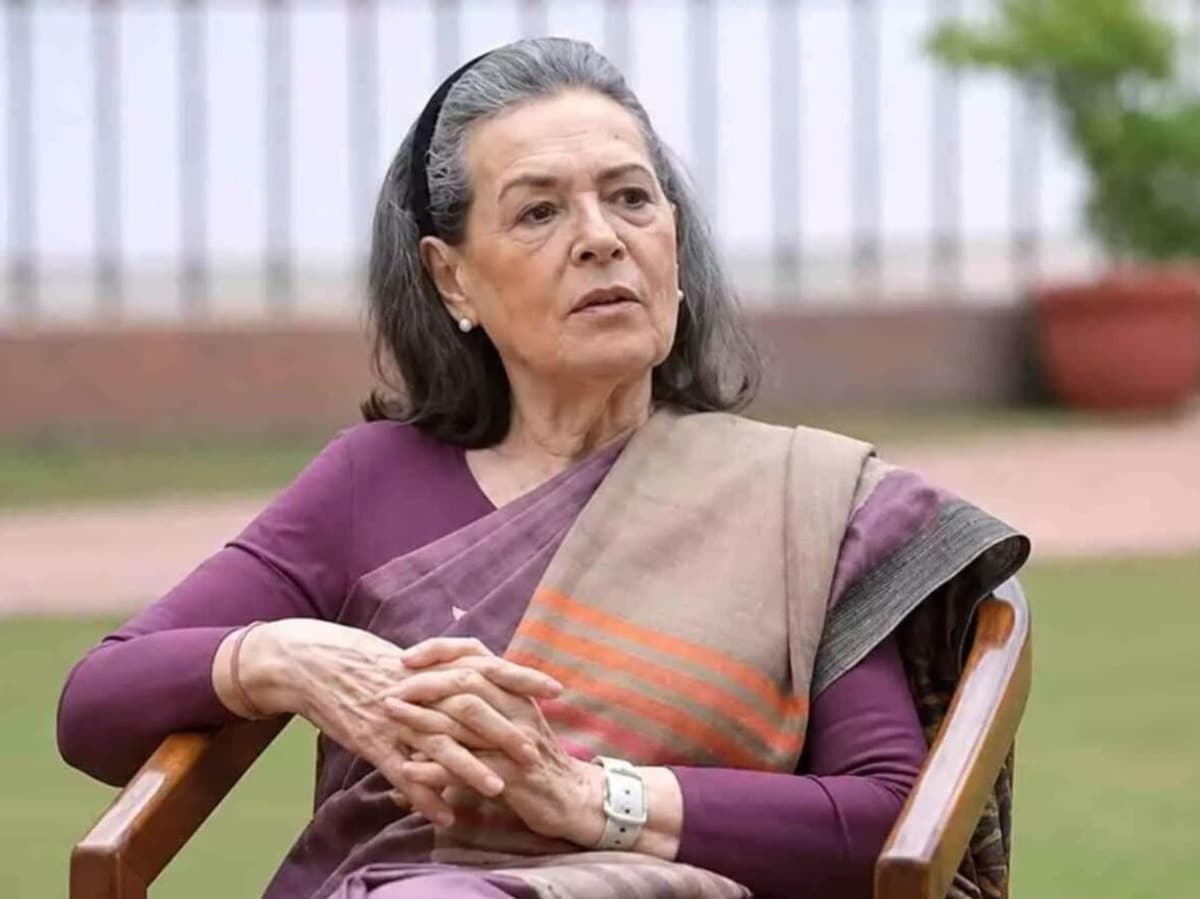
Bharatiya Janata Party (BJP) Lok Sabha MP Nishikant Dubey sparked a sharp political debate in New Delhi on Saturday by questioning how Congress Parliamentary Party Chairperson Sonia Gandhi was appointed Managing Director and held a 50 per cent stake in a Maruti-linked company in 1970 despite being a foreign citizen at the time. Taking to social media platform X amid an intensifying political row over Sonia Gandhi’s newly released memoir, Belonging: A Journey of Love, the Godda parliamentarian alleged that government rules then barred foreign nationals from becoming directors of Indian companies. Dubey challenged the senior Congress leader to explain how the venture was established without personal capital, claiming former Prime Minister Indira Gandhi had handed over the enterprise as a favour while state agencies allegedly extended unprecedented official support.
What Nishikant Dubey Alleged About the 1970 Maruti Agreement
In a detailed thread on X, Nishikant Dubey pointed specifically to November 21, 1970, claiming that the late Sanjay Gandhi entered into a formal business agreement with Maruti Technical Services Private Limited (MTSPL), an entity he described as being controlled by Sonia Gandhi. Referring to her as the “real owner of Maruti,” the BJP MP asked how she could hold the position of Managing Director and a 50 per cent shareholding in 1970 when she had not yet acquired Indian citizenship. Dubey also questioned the timeline of government clearances, alleging that although the Maruti company was incorporated in 1970, it had already received a letter of intent from the Government of India in 1968 authorising passenger car manufacturing. Additionally, he raised questions over land allotment norms in Haryana, claiming state rules at the time prohibited allocating land to foreign nationals.
Allegations of PMO Interference, Bank Loans, and State Support
Expanding his attack beyond corporate directorship rules, Dubey levelled sweeping allegations regarding how state machinery was allegedly deployed to nurture the enterprise during Indira Gandhi’s premiership. He questioned how a private firm’s office was permitted to operate inside the Prime Minister’s Office (PMO) and how Indira Gandhi’s private secretary, R.K. Dhawan, came to serve as a director in the venture. The BJP MP further alleged that state governments were instructed to release advance payments to Maruti for building bus bodies before the company was formally operational, and claimed state-run enterprises supplied cement, steel, and coal without upfront payment. Dubey also linked the 1969 nationalisation of banks to easy credit access for Gandhi family-linked firms and questioned whether public funds financed Sanjay Gandhi’s foreign trip on April 3, 1972.
Why Sonia Gandhi’s New Memoir Triggered the Fresh Political Row
Dubey’s remarks are the latest salvo in a broader confrontation between the BJP and the Congress following the November 10 release of Sonia Gandhi’s memoir, Belonging: A Journey of Love. Ruling party leaders have accused the former Congress president of presenting a selective narrative that glosses over contentious chapters of her family’s political legacy, including the 1975 Emergency and the 1984 anti-Sikh riots. Alongside his social media post, Dubey announced plans to write a counter-book examining 10 unanswered questions from Sonia Gandhi’s public life, ranging from the Maruti controversy to internal Congress power struggles. While historical records from the 1970s Shah Commission and parliamentary debates had previously examined the distinction between Maruti Limited and Maruti Technical Services Private Limited—as well as Sonia Gandhi’s subsequent resignation before obtaining Indian citizenship in 1983—the BJP MP’s pointed questions have thrust the five-decade-old corporate episode back into the national political spotlight.