North India Statesman
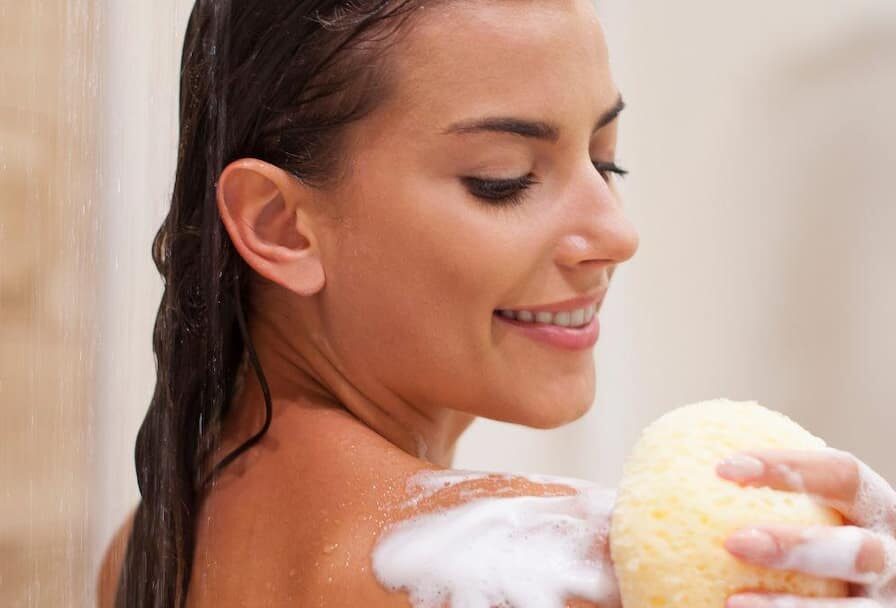
As winter temperatures dip across northern and central India—from chilly mornings in New Delhi, Lucknow, and Unnao to crisp winters across Uttar Pradesh, Punjab, and Rajasthan—stepping into the bathroom sparks a familiar daily debate: should you brave a cold shower or indulge in a steaming hot bath? While a bracing cold splash wakes up the senses instantly, nothing feels more comforting on a freezing morning than piping-hot water. Yet, both dermatologists and Ayurvedic experts caution that choosing the wrong water temperature during winter can quietly harm your skin barrier, strain your cardiovascular system, and trigger seasonal fatigue. Understanding how cold, hot, and lukewarm water affect your body helps you adopt a winter bathing routine that protects both comfort and long-term health.
What Happens When You Bathe With Cold Water in Winter?
Taking a cold water bath during winter delivers a sudden physiological jolt that can offer specific benefits for healthy, young individuals who are already accustomed to the habit. When cold water hits the skin, surface blood vessels constrict—a process called vasoconstriction—pushing blood toward vital internal organs, boosting oxygen intake, and triggering an immediate surge in alertness. Cold water also preserves the skin’s natural sebum layer, preventing winter dryness and keeping hair cuticles smooth. However, medical experts warn that cold showers in winter are not suitable for everyone. For older adults, young children, or individuals with high blood pressure, heart conditions, asthma, or joint stiffness, sudden cold exposure forces the body to work overtime to preserve core warmth, spiking heart rate and blood pressure while aggravating Vata-related muscle aches and respiratory congestion.
The Pros and Cons of Taking a Hot Water Bath in Winter
A warm or hot bath brings unmistakable relief during winter, especially after physical exertion or before bedtime. Warm water dilates blood vessels, relaxes tight muscles, eases joint stiffness, and activates the parasympathetic nervous system to reduce stress. Moreover, inhaling warm steam helps loosen phlegm and clear congested nasal passages during winter colds. The catch, however, lies in turning the tap up too high. Dermatologists point out that excessively hot water strips away natural lipids and damages keratin cells on the outer epidermis, leading to severe winter itch, flaky skin, eczema flare-ups, and a dry, irritated scalp. Additionally, prolonged exposure to very hot water widens surface blood vessels rapidly, which can cause sudden drops in blood pressure and dizziness—particularly among senior citizens and heart patients.
Why Lukewarm Water Is the Ideal Winter Choice
When weighing cold against hot water, both modern medicine and classical Ayurveda converge on a balanced middle ground: lukewarm water. Classical Ayurvedic texts such as the Ashtanga Hrudayam recommend bathing the body below the neck with comfortably warm water to pacify aggravated Vata and Kapha doshas, while using plain or cool water for the head and eyes to protect hair roots and vision. Similarly, skin specialists advise keeping winter showers short—ideally under ten minutes—in lukewarm water that feels soothing rather than stinging. For healthy individuals who enjoy the invigorating finish of cold water, a brief 15-to-30-second cool rinse at the very end of a lukewarm shower offers the circulation benefits of cold exposure without shocking the body.
Essential Winter Bathing Tips for Better Health
Making a few smart adjustments to your daily routine can transform your winter bath into a restorative health habit. First, avoid bathing immediately after a heavy meal, as digesting food requires concentrated blood flow to the stomach. Second, if you use a gas geyser, ensure the bathroom window or exhaust fan stays open to prevent dangerous carbon monoxide buildup. Third, try massaging your body with warm sesame or mustard oil (Abhyanga) 20 to 30 minutes before bathing to lock in moisture and improve circulation. Finally, pat your skin gently with a towel and apply a rich moisturiser within three minutes of stepping out while your skin is still slightly damp, sealing in hydration throughout the coldest winter days.