North India Statesman
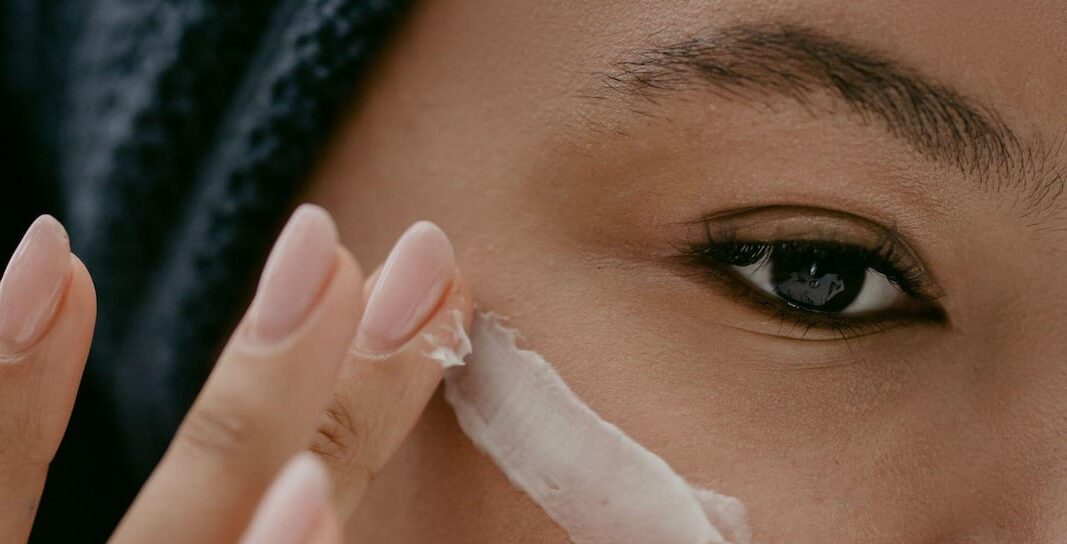
Promises of dramatic fairness or blemish-free skin in just seven days continue to flood social media feeds, online marketplaces, and local cosmetic counters across India. Yet, dermatologists and national drug regulators are issuing urgent warnings that these “overnight” or “7-day” skin-whitening creams carry severe, potentially life-threatening health risks. Just this week, the Central Drugs Standard Control Organisation (CDSCO) flagged unauthorised imported skin-lightening products after laboratory investigations linked mercury-laced fairness creams to acute kidney damage—including a recent case involving a 17-year-old girl in Kerala whose cream contained 12,500 parts per million (ppm) of mercury against a permissible limit of less than 1 ppm. For consumers across India—from New Delhi, Mumbai, and Hyderabad to Unnao, Lucknow, and across Uttar Pradesh—understanding why a 7-day fairness guarantee is biologically impossible and chemically hazardous is essential before applying any unverified cream to your face.
Why Skin Cannot Safely Lighten in Seven Days
From a purely biological standpoint, human skin renews its outer epidermal layer roughly every 28 to 40 days. Melanin—the natural pigment produced by melanocytes to shield your skin from ultraviolet radiation—cannot be safely altered within a single week. Dermatologists emphasize that any over-the-counter or online cream delivering visible bleaching within five to seven days is almost certainly relying on aggressive, restricted pharmaceutical agents or toxic heavy metals rather than gentle cosmetic ingredients. Often packaged in unlabelled jars or falsely marketed as “herbal,” “Ayurvedic,” or “organic” to bypass routine retail checks, these formulations deliver an immediate illusion of brightness while silently damaging internal organs and dismantling the skin’s protective barrier.
Three Dangerous Chemicals Hidden in Rapid Fairness Creams
Independent laboratory testing and clinical dermatology reports across India consistently uncover three high-risk substances inside unregulated rapid-whitening creams:
-
Inorganic Mercury: Added to suppress melanin formation rapidly, mercury absorbs directly through facial skin into the bloodstream. Even short-term daily use can accumulate in the kidneys and nervous system, triggering protein leakage in urine, swollen feet, puffiness around the eyes, high or erratic blood pressure, tremors, and chronic kidney failure.
-
Potent Topical Steroids: Compounds such as clobetasol propionate and betamethasone are prescription medicines meant strictly for short-term inflammatory skin diseases under medical supervision. When mixed into fairness creams, they constrict blood vessels to create temporary paleness. Within weeks, however, they cause severe skin thinning (atrophy), visible red spider veins, steroid-induced acne, unwanted facial hair growth, and intense burning whenever the user tries to stop—a dependency cycle dermatologists call Topical Steroid-Damaged Face (TSDF).
-
Unsupervised Hydroquinone: While dermatologists occasionally prescribe controlled hydroquinone for stubborn melasma, unmonitored or high-concentration use causes severe contact dermatitis, rebound hyperpigmentation, and exogenous ochronosis—a permanent, blue-black discolouration of the skin that is notoriously difficult to reverse.
Warning Signs That Your Cream May Be Unsafe
Consumers should immediately stop using a brightening or anti-pigmentation product and seek medical evaluation if they notice either local skin reactions or systemic symptoms. On the skin, red flags include stinging or burning sensations, extreme redness when stepping into sunlight, sudden breakouts, thinning skin, or dark patches returning even darker the moment you skip a few days of application. Internally, regulators urge anyone using unverified fairness creams to watch closely for frothy or foamy urine, unexplained fatigue, swelling around the eyes or ankles, and sudden fluctuations in blood pressure.
Smart Checklist Before Buying Any Skin-Brightening Product
Protecting yourself starts at the point of purchase—whether you are shopping at a local store or ordering online. First, reject any product promising “instant,” “3-day,” or “7-day” whitening, as well as loose creams sold in unsealed tubs without printed ingredient lists. Second, inspect the outer carton for a valid state manufacturing licence number, batch number, expiry date, and—for imported items—a CDSCO registration number. Third, scan the ingredient label carefully; under Indian regulations, hydroquinone and potent corticosteroids are Schedule H prescription drugs and should never appear in general cosmetic creams. If you want to address tanning, dark spots, or uneven tone safely, stick to dermatologist-tested formulations featuring well-tolerated, barrier-friendly ingredients such as niacinamide, azelaic acid, or botanical extracts paired with daily broad-spectrum sunscreen.