North India Statesman
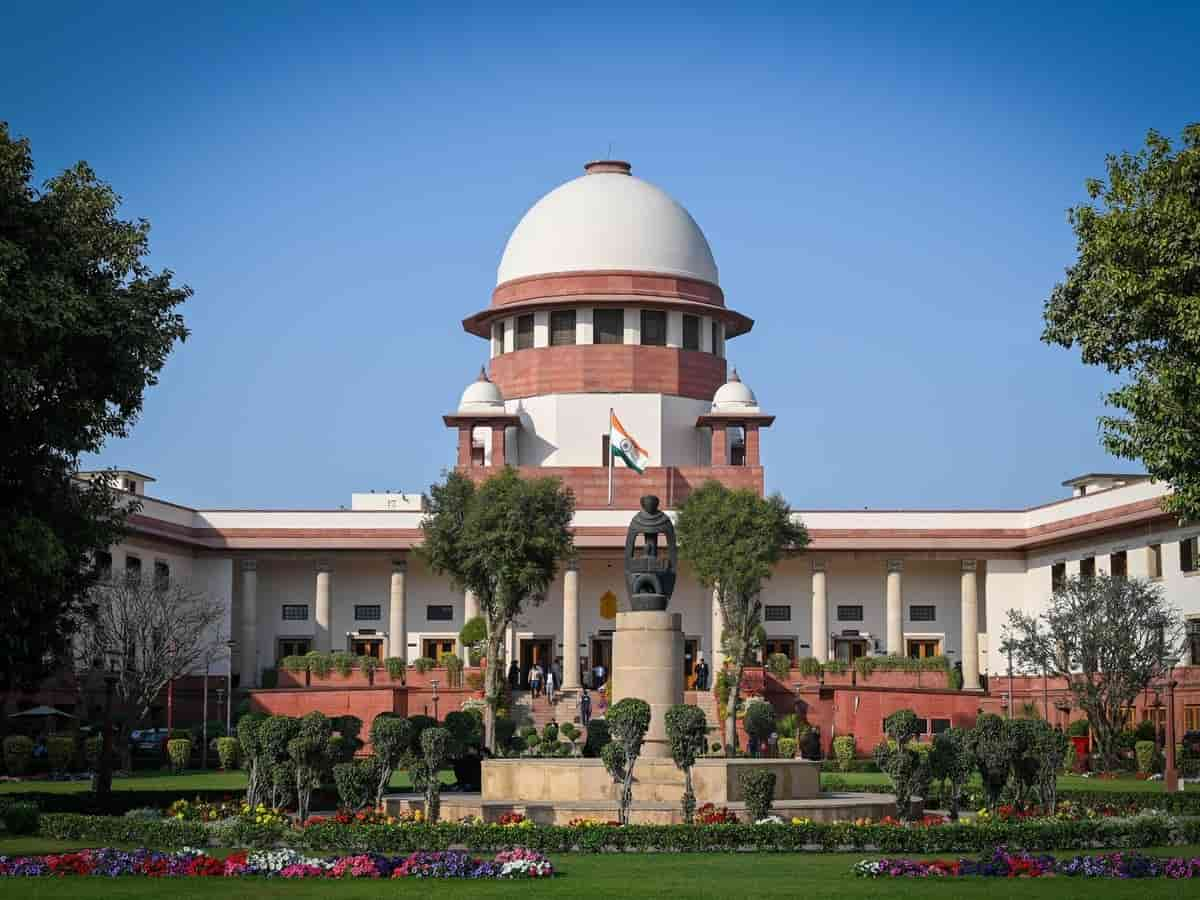
The Supreme Court of India has delivered a sharp courtroom reprimand to a district judicial officer from Bihar over what it described as an “appalling” and “surprising” understanding of criminal procedure, warning him to stop behaving like a “Baahubali” while exercising judicial authority. Hearing a petition on Monday, November 23, 2026, a three-judge bench led by Chief Justice of India (CJI) Surya Kant alongside Justices Joymalya Bagchi and V. Mohana pulled up Additional Sessions Judge Anil Kumar of Sasaram in Rohtas district for summarily convicting and fining a senior Indian Police Service (IPS) officer over the non-registration of a First Information Report (FIR). For legal observers, civil servants, and citizens across New Delhi, Patna, Lucknow, Unnao, and throughout northern India, the apex court’s candid remarks underscore a vital constitutional boundary: while district courts must command institutional respect, judicial power is strictly governed by statutory jurisdiction and procedural discipline.
What Triggered the Controversy in Bihar’s Rohtas District?
The legal dispute originated from a criminal trial decided in 2023 in Bihar’s Rohtas district, during which the trial court had directed the local police to register an FIR against an individual accused of giving false evidence. When that directive allegedly remained unexecuted, Additional Sessions Judge-IV Anil Kumar initiated aggressive proceedings against the then Superintendent of Police (SP) of Rohtas, IPS officer Raushan Kumar. On September 29, 2026, the sessions judge summoned the SP, treated the failure to register the FIR and non-appearance as an offence committed directly in the face of the court, convicted the senior police officer on the same day, and imposed a symbolic fine of Re 1. Going even further, the judge directed the Bihar Director General of Police (DGP) to enter adverse remarks into the SP’s service dossier and urged the Union Ministry of Personnel and Training to overhaul IAS and IPS training modules to better align officers with democratic norms.
Why the Supreme Court Questioned the Judge’s Understanding of Law
After the Patna High Court intervened and stayed the September 29 order, the judicial officer approached the Supreme Court challenging the High Court’s observations and administrative scrutiny. However, instead of finding relief, the petitioner faced pointed questioning from the bench. Justice Joymalya Bagchi expressed astonishment at the sessions judge’s legal reasoning, asking how a judicial officer could become a party to the proceedings after already delivering a verdict in a criminal case. Explaining the strict statutory scope of Section 384 of the Bharatiya Nagarik Suraksha Sanhita (BNSS)—and its predecessor, Section 345 of the Code of Criminal Procedure (CrPC)—the bench clarified that summary punishment applies only to offences committed directly “in the face of the court,” such as someone slapping a person inside the courtroom, hurling abuses during proceedings, or refusing to exit when ordered by the presiding judge. Simply failing to comply with an earlier judicial order to register an FIR does not constitute an on-the-spot courtroom offence, and any alleged contempt of court had to be referred to the High Court rather than adjudicated summarily by the sessions judge himself.
CJI Surya Kant’s ‘Baahubali’ Jibe and Call for Judicial Training
Reinforcing Justice Bagchi’s critique of judicial overreach, Chief Justice Surya Kant cautioned the judge’s counsel to advise his client against acting like “Baahubali” and remarked, “Enough of adventure. As a judge, you must know your jurisdiction”. The bench observed that while a judge’s desire to ensure justice is understandable, stepping outside one’s legal domain undermines institutional discipline. The Supreme Court even suggested that the judicial officer should be sent to the National Judicial Academy for refresher training to better grasp jurisdictional limits and courtroom propriety.
How the Supreme Court Disposed of the Petition
Ultimately, the Supreme Court declined to interfere with the Patna High Court’s jurisdiction over the matter and disposed of the sessions judge’s appeal. At the same time, taking a balanced view so that the officer’s career is not irreparably damaged by a misjudged attempt at enforcing compliance, the apex court granted him liberty to submit a formal explanation-cum-apology before the Patna High Court and requested the High Court to consider his response sympathetically while closing the pending proceedings.