North India Statesman
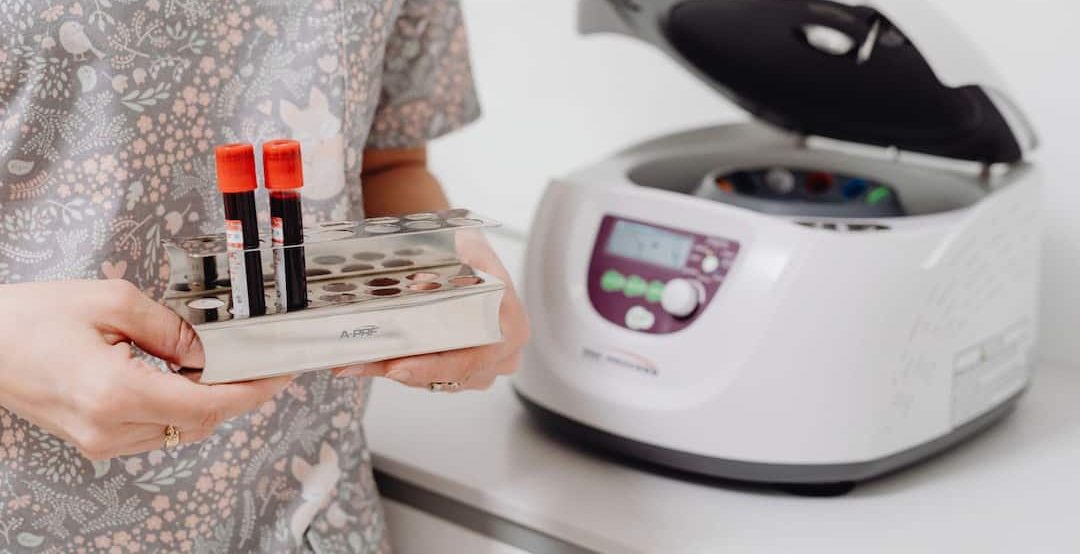
In a significant advancement for transfusion medicine and clinical hematology, researchers from the United Kingdom and Israel have identified a previously unrecognized human blood group system, designated as ‘Jama’. The discovery, formally ratified by the International Society of Blood Transfusion (ISBT) as the human body’s 49th blood group system, marks a critical milestone in understanding rare red blood cell surface markers. The identification resolves complex clinical anomalies that have long challenged blood banks and specialized reference laboratories when matching rare donors with vulnerable patients.
While major systems like ABO and Rh dominate everyday medical cross-matching, the discovery of Jama highlights the intricate genetic landscape of erythrocyte biology. The breakthrough paves the way for accurate DNA-based genotyping, preventing acute immune complications during blood transfusions.
Tracing the Rare Genetic Signature Behind the F11R Gene
The breakthrough originated during an in-depth investigation into atypical antibodies detected in the blood serum of an Israeli woman and her brother. Traditional screening panels failed to categorize their immunological reactivity, prompting advanced molecular and whole-exome sequencing.
The research revealed that the Jama blood group system is governed by mutations in the F11R gene, which encodes the JAM-A (Junctional Adhesion Molecule-A) protein on the red blood cell membrane. Individuals who carry the rare Jama-negative phenotype lack the standard JAM-A antigen found in the vast majority of the human population.
Mitigating Life-Threatening Transfusion Risks
The medical implications of this discovery are profound for clinical safety:
-
Immune Sensitization: When a person with the Jama-negative profile is inadvertently transfused with standard, JAM-A-positive donor blood, their immune system recognizes the unfamiliar protein as an external threat.
-
Severe Transfusion Reactions: The recipient’s body produces potent alloantibodies that attack and destroy the transfused red blood cells, potentially causing severe hemolytic transfusion reactions and acute organ distress.
-
Precision Screening: By unlocking the genetic sequence of the F11R gene, reference blood centers can now develop targeted DNA assay kits, quickly screening populations and establishing international donor registries for rare Jama-negative units.
This discovery reinforces the importance of genetic mapping in clinical care, ensuring that even patients with the rarest cellular profiles receive safe, compatible blood products worldwide.